
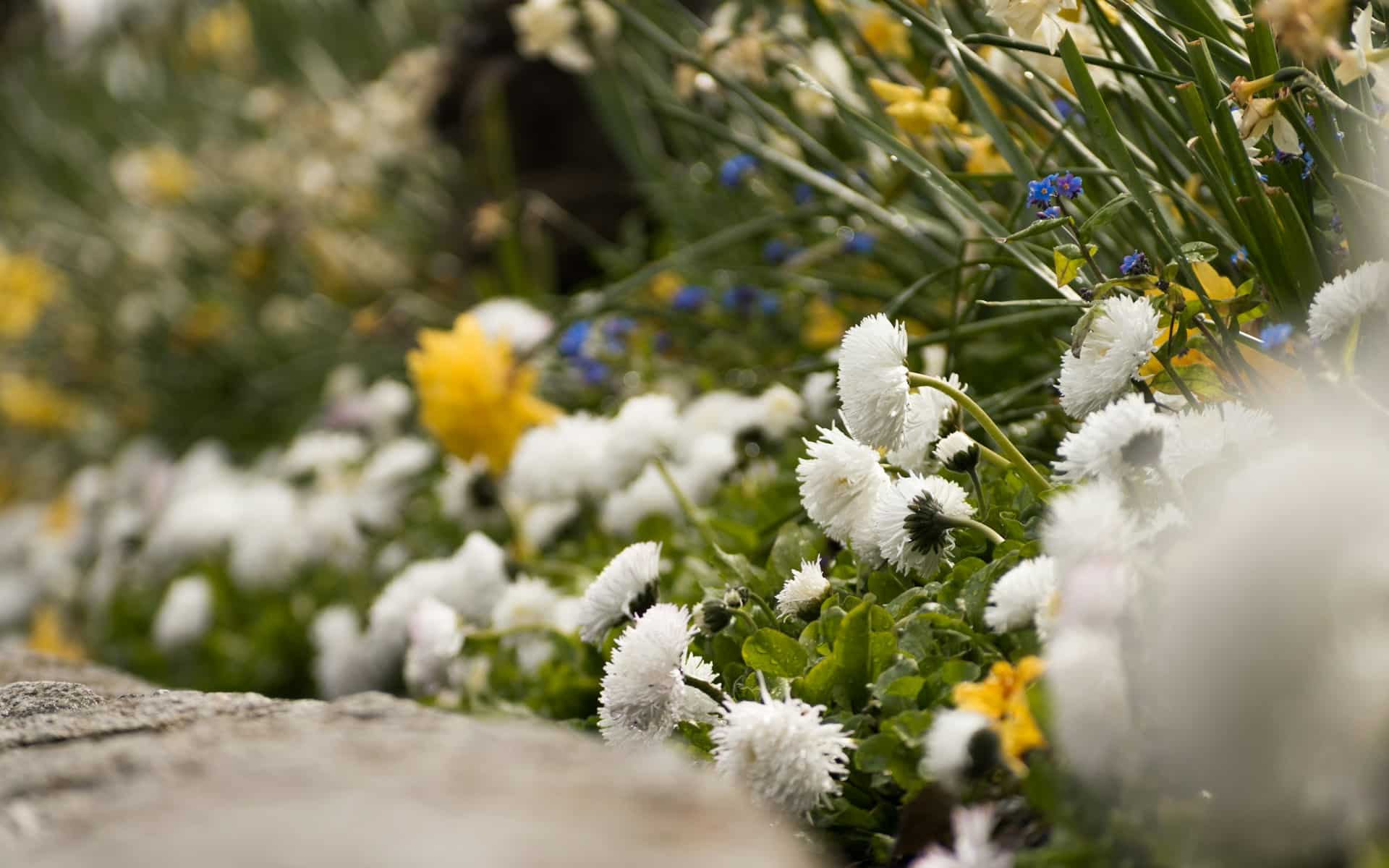

A raised flower bed stays colorful year-round when it’s planted in layers, spring bulbs and early bloomers, summer perennials, fall foliage, and winter structure, so something is always coming into its own as another fades out. Plan by season instead of planting everything at once, and the bed never hits that flat, empty stretch most gardens go through.
Raised beds already give flowers a head start. Better drainage, warmer soil, and less competition from weeds mean plants establish faster and bloom longer than they would in the ground. The trick is choosing what goes in and when, so the bed keeps working long after the first burst of color fades.
Why Raised Beds Suit Flower Gardening So Well
Soil in a raised bed warms up earlier in spring than soil at ground level, which means earlier blooms and a longer growing window overall. Drainage is also easier to control, which matters for flowers like lavender and poppies that rot fast in soggy soil. And because the bed sits above the surrounding ground, weeds have a harder time creeping in, leaving more of the bed’s nutrients for the flowers you actually planted.
The height also makes raised beds easier to maintain. Deadheading, weeding, and planting all happen without as much bending, which keeps a flower bed from turning into a chore. That ease of access matters more than it seems over a full year, since a bed that’s simple to tend gets tended more often, and a flower bed that gets regular attention holds its shape and color far longer than one left to fend for itself.
Spring: Set the Bed in Motion Early
Spring is where a raised bed gets its head start. Bulbs planted the previous fall, tulips, daffodils, crocuses, push through as soon as the soil warms, often weeks ahead of an in-ground bed nearby.
Layer in early bloomers like pansies, primroses, and hyacinths around the bulbs for color while the bulbs are still emerging. Once the bulb foliage starts to fade, interplant with something that will take over visually, like creeping phlox or forget-me-nots, so the bed doesn’t hit a bare patch waiting for summer flowers to catch up.
Summer: Let the Bed Peak
By early summer, the bed should be shifting toward heat-loving perennials and annuals that carry the color load through the hottest months. Coneflowers, black-eyed Susans, and salvia handle full sun well and keep blooming steadily without much fuss. Zinnias and marigolds fill gaps fast and work well tucked between taller perennials.
Raised beds dry out faster than ground-level soil in summer heat, so mulching around the base of summer plantings helps retain moisture and cuts down on how often the bed needs watering.
Fall: Bring in Structure and Late Color
As summer flowers wind down, fall is the season to lean on plants that hold color and shape into cooler weather. Asters, mums, and sedum all bloom late and give the bed a fresh wave of color right when everything else is fading. Ornamental grasses add movement and texture that carry a bed through fall even after the last blooms have dropped.
Fall is also the right time to plant next spring’s bulbs, tucking tulips and daffodils in around existing perennials so they’re ready to push through as soon as the soil warms again.
Winter: Keep the Bed from Going Flat
A raised bed doesn’t have to disappear in winter. Evergreen shrubs, like dwarf boxwood or holly, hold shape and color when everything else has died back. Ornamental grasses left uncut through winter add texture and catch frost in a way that keeps the bed visually interesting even without a single bloom.
For beds in milder climates, winter pansies and hellebores can add actual color through the colder months, giving the bed something alive to look at even in January.
Layout Ideas That Work Across Seasons
- Tiered height planting: Place taller plants like ornamental grasses or dahlias at the back or center, medium perennials in the middle, and low bloomers or trailing plants along the edges, so nothing blocks anything else as the seasons shift.
- Color blocking by season: Group spring bulbs, summer perennials, and fall bloomers in slightly separate zones within the same bed, so one section is always peaking while another rests.
- Repeating anchor plants: Use a few structural plants, like a small shrub or ornamental grass, spaced throughout the bed to give it a consistent shape even as the flowers around them change through the year.
- Edge trailing plants: Let low, spreading flowers like sweet alyssum or creeping thyme spill over the edges of the raised bed to soften the hard lines of the frame.
- Succession planting: Tuck fast-maturing annuals like zinnias into gaps left behind by fading spring bulbs, so the bed transitions smoothly instead of sitting half-empty for weeks between seasons.
Soil and Maintenance Tips for a Year-Round Bed
Raised beds planted for multiple seasons pull more nutrients from the soil over a longer stretch than a bed planted once and left alone. Top-dressing with compost between seasons keeps nutrient levels up without needing to dig into established root systems. Deadheading spent blooms regularly also pushes many perennials to keep flowering longer instead of putting energy into seed production.
Checking soil moisture through each season matters too, since raised beds drain faster than in-ground plots, and drought stress shows up quickly in shallow-rooted spring and summer bloomers.
Final Thoughts
A raised flower bed planted for one season peaks once and fades. A raised bed planned across all four keeps working, bulbs giving way to summer perennials, summer handing off to fall color, and evergreen structure carrying the bed through winter. Plan the layers before you plant, and a single bed can stay worth looking at no matter what month it is.
FAQs
What flowers work best in a raised bed for spring?
Tulips, daffodils, crocuses, and pansies bring early color as the soil warms.
Do raised flower beds need different soil than ground beds?
They benefit from a well-draining mix with compost, since raised beds drain faster.
Can a raised flower bed stay colorful in winter?
Yes, with evergreen shrubs, ornamental grasses, and cold-hardy plants like hellebores or pansies.
How often should a raised flower bed be replanted?
Perennials can stay for years, while annuals are typically replaced each season for color.
Are raised beds better than ground beds for flowers?
They offer better drainage, warmer soil, and fewer weeds, which helps flowers establish faster.


