
Organic gardening comes down to building healthy soil, choosing natural pest and weed control, and skipping synthetic fertilizers and pesticides altogether. Get the soil right first, and most of what people struggle with in organic gardening starts to sort itself out.
It sounds more complicated than it is. Organic gardening isn’t a strict rulebook so much as a shift in what you reach for when something goes wrong in the garden. Instead of a chemical fix, you’re working with the soil, the bugs, and the plants themselves. Here’s where to start.
Start With the Soil, Not the Plants
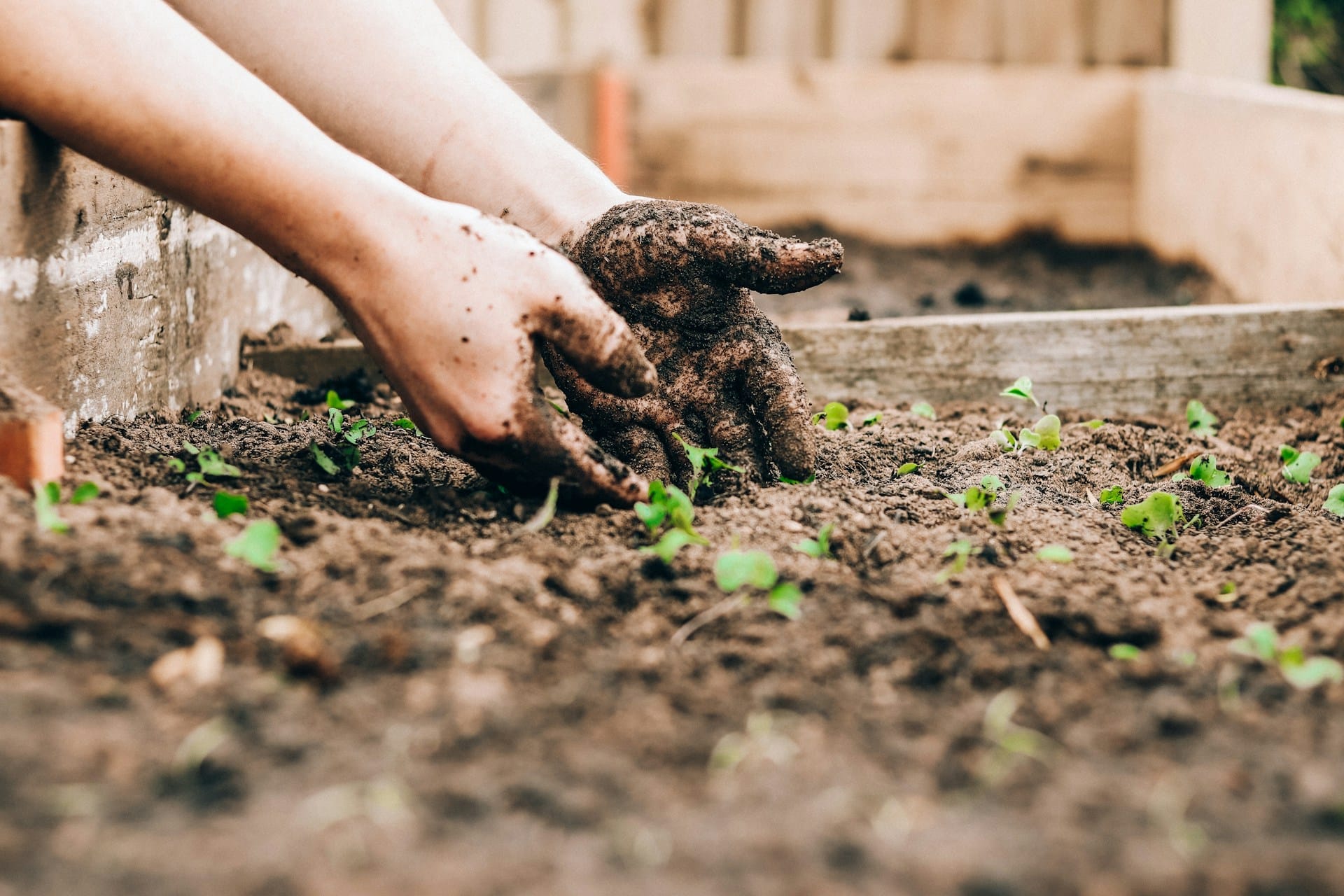
Healthy soil is the foundation of everything else in an organic garden. Synthetic fertilizers feed plants directly but do little for the soil itself over time, while organic methods build soil that keeps feeding plants season after season on its own.
Compost is the fastest way to get there. Working aged compost into beds adds nutrients, improves drainage in heavy soil, and helps sandy soil hold water better. A simple soil test at the start of a season also tells you what’s actually missing, rather than guessing and adding amendments a garden doesn’t need.
Build a Compost System Early
A compost pile turns kitchen scraps and yard waste into one of the best soil amendments available, and it costs nothing beyond a bit of space and patience. Mix green materials, vegetable scraps, coffee grounds, and grass clippings with brown materials like dried leaves and cardboard, keeping a rough balance of both.
Turning the pile every couple of weeks speeds up decomposition and keeps it from turning into a smelly, compacted mess. A finished compost pile looks and smells like rich, dark soil, usually within a few months, depending on how often it’s turned and what’s going into it.
Rotate Crops to Keep Soil and Pests in Check
Planting the same crop in the same spot year after year drains specific nutrients from the soil and gives pests a predictable target. Rotating crops through different beds each season breaks that cycle. Tomatoes one year, followed by beans or peas the next, followed by leafy greens, keeps soil nutrients more balanced and makes it harder for pests tied to a specific plant family to establish themselves.
Even a small garden benefits from basic rotation, splitting beds into a few groups and shifting what goes where each season.
Put Companion Planting to Work
Some plants just do better next to each other, and it’s not an old wives’ tale. Marigolds tucked in among vegetables keep a surprising number of pests away. Grow basil next to tomatoes, and gardeners swear the tomatoes taste better for it, while the basil chases off a few insects in the process. Then there’s the classic trio, beans, corn, and squash, planted together as the three sisters, each one pulling its weight for the other two.
Nobody’s saying companion planting solves every pest problem on its own. But it’s one more layer of protection that doesn’t involve reaching for a spray bottle.
Deal With Pests Without Reaching for Chemicals
Going organic doesn’t mean pests win by default. It just means fighting them differently.
- Let ladybugs and lacewings do some of the work. Both prey on aphids and a handful of other pests that show up uninvited.
- Cover young seedlings with row covers so pests never get a chance to land on them in the first place.
- Pick off the big offenders, tomato hornworms and Japanese beetles, by hand. In a small garden, this alone keeps numbers down.
- Reach for insecticidal soap or neem oil when things get out of hand. Both break down fast and go after soft-bodied pests without wiping out the beneficial bugs nearby.
- Plant a few nasturtiums nearby. Aphids tend to head straight for them instead of your tomatoes or peppers.
Manage Weeds Without Chemical Herbicides
Mulch is the single most effective organic weed control available. A two- to three-inch layer of straw, wood chips, or shredded leaves blocks sunlight from reaching weed seeds and keeps established weeds from spreading as easily.
Hand-pulling weeds while they’re small and before they set seed prevents next season’s weed population from exploding. Ground cover plants and dense planting also help, since they leave less bare soil for weeds to take advantage of in the first place.
Water Deeply and Less Often
Frequent shallow watering trains roots to stay near the surface, which makes plants more vulnerable to drought stress and disease. Watering deeply and less often encourages roots to grow down into the soil, where moisture stays more consistent even during dry stretches.
Morning watering is generally better than evening, since it gives foliage time to dry out before nightfall, which cuts down on the fungal issues that thrive in damp, cool conditions overnight.
Choose Organic Seeds and Start When Possible
Seeds and seedlings labeled organic haven’t been treated with synthetic chemical coatings, which matters if the goal is an entirely chemical-free garden from the start. Saving seeds from a garden’s best-performing plants each season is another organic technique that gradually adapts a variety to local growing conditions over time.
Common Mistakes Beginners Make
- Over-fertilizing with compost: Too much compost, especially unfinished compost, can burn young roots or throw off nutrient balance rather than help it.
- Ignoring soil pH: Even organic amendments won’t fix a garden struggling with soil that’s too acidic or alkaline for what’s planted.
- Treating pests too late: Organic pest control works best as prevention, not as a fix once an infestation has already taken hold.
- Skipping crop rotation in small gardens: It feels unnecessary in a small space, but pest and nutrient issues build up just as fast in a tight garden as a large one.
Final Thoughts
Organic gardening isn’t about doing without; it’s about working with the soil and the ecosystem already in your garden instead of overriding it with synthetic shortcuts. Start with the soil, build a compost habit, rotate what you plant, and handle pests and weeds with the tools nature already provides. Get those basics down, and the rest of organic gardening tends to fall into place on its own.
FAQs
What is the most important organic gardening technique for beginners?
Building healthy soil through compost is the foundation that most other organic methods depend on.
How do you control pests without chemicals?
Attract beneficial insects, use row covers, hand-pick pests, and apply neem oil or insecticidal soap.
Is organic gardening more work than conventional gardening?
It takes more upfront planning, but healthy soil reduces long-term maintenance and pest problems.
Can you use regular mulch in an organic garden?
Yes, straw, wood chips, and shredded leaves all work well as organic weed control.
Do organic gardens produce smaller harvests?
Not necessarily. Healthy, well-managed soil often supports yields comparable to conventional methods over time.

