

If you’ve invested in solar garden lights only to find them fading or failing after a short time, you’re not alone. Many homeowners wonder why solar garden lights not last long, despite being an eco-friendly and low-maintenance solution. The answer often lies in a combination of factors, from poor-quality components to environmental exposure. While solar lights can add charm to outdoor spaces, their longevity depends on manufacturing quality, placement, and regular upkeep. In this guide, we’ll break down the main reasons these lights fail and how you can choose and maintain more durable options.
Poor Battery Quality and Limited Lifespan
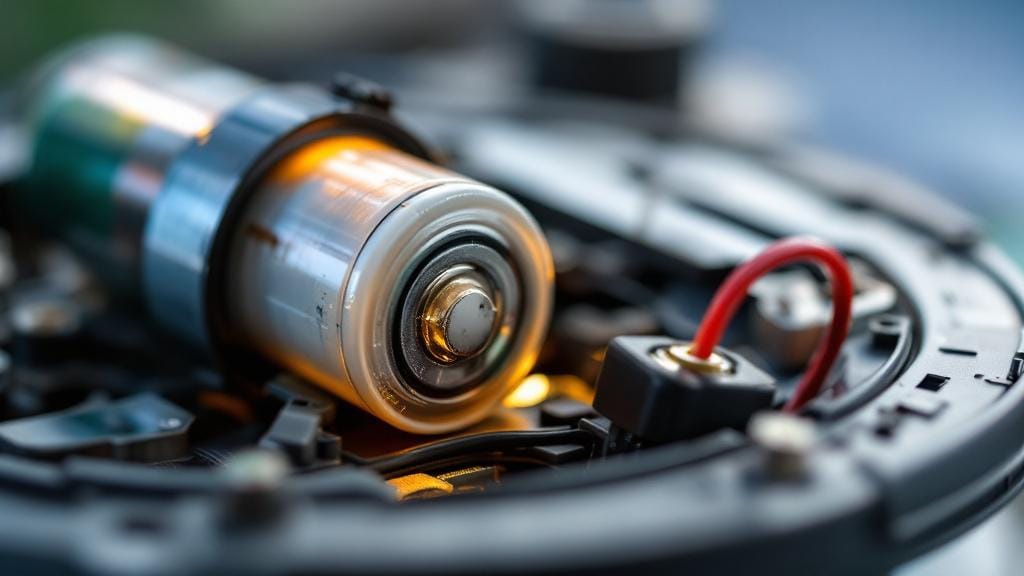
One of the top reasons solar garden lights fail is due to poor battery quality. Most models use low-cost rechargeable batteries that degrade over time, especially after frequent charging and discharging cycles. In many cases, the batteries last only a year or two before losing their ability to hold a charge. Once this happens, even if the solar panel is functional, the light won’t stay illuminated through the night. Choosing solar lights with higher-capacity, replaceable NiMH or Li-ion batteries can improve their longevity and overall performance.
Low-Cost Materials and Manufacturing Issues
Many budget-friendly solar lights are manufactured using cheap plastics and low-grade components. These materials degrade quickly when exposed to sun, wind, and rain. Subpar wiring, weak seals, and flimsy housing contribute to why solar garden lights not last long. In contrast, lights built with weather-resistant metal or UV-stabilized plastic tend to perform better outdoors. While higher-quality lights may cost more initially, they often save money and frustration in the long run by lasting several seasons instead of just one.
Insufficient Sunlight Exposure
Solar lights rely entirely on sunlight to function, so if they don’t receive enough direct sunlight during the day, they won’t store enough energy to stay on at night. Placing them in shaded areas or during cloudy seasons can severely impact performance. A common misunderstanding is that any outdoor placement works, but optimal exposure of at least 6-8 hours of direct sunlight is essential. Without proper charging, even new solar garden lights will appear dim or stop working altogether. Consider repositioning your lights to improve sunlight absorption.
Dirt and Debris Blocking the Solar Panel
Over time, dust, pollen, bird droppings, and leaves can accumulate on the solar panel, blocking sunlight from reaching the photovoltaic cells. When the panel can’t absorb enough sunlight, the battery doesn’t charge fully, resulting in shorter lighting time or failure. A simple monthly wipe with a damp cloth can drastically improve charging efficiency. Keeping the panel clean is a small but essential step to ensure solar garden lights last longer and operate at their best.
Weather Damage and Moisture Ingress
Outdoor solar lights are constantly exposed to changing weather, rain, snow, humidity, and temperature fluctuations. If the lights are not well-sealed, moisture can get inside and corrode the internal components or short-circuit the system. This is especially true in climates with heavy rainfall or freezing winters. Moisture ingress is a leading reason why solar garden lights not last long. Choosing models with an IP65 or higher weatherproof rating can significantly reduce the risk of damage and improve durability in harsh conditions.
Short LED Lifespan or Malfunctioning Bulbs
While LEDs are typically long-lasting, low-cost solar lights sometimes come with inferior bulbs that burn out early or flicker. Poor soldering or unstable circuits can cause the LEDs to fail prematurely. Once the bulb goes out, the entire light becomes ineffective unless you can replace the LED or the light unit. Investing in lights with high-quality LED chips, known for their durability and brightness, ensures better reliability and extended performance in your solar garden lights.
Improper Installation or Placement
Improper installation is another overlooked cause of failure. If the solar panel isn’t angled correctly toward the sun or if the light is installed too close to other light sources (like porch lights), it may not charge properly or even turn on. Some models are light-sensitive and won’t activate unless it’s truly dark. Ensuring your solar lights are positioned in full sun and away from artificial light sources will greatly improve their effectiveness and lifespan.
Ensuring your solar lights are positioned in full sun and away from artificial light sources will greatly improve their effectiveness. If you are planning to install these lights as part of a larger outdoor structure, make sure to check. Do I need a permit for a garden shed to ensure my entire backyard project is compliant with local building codes?
Lack of Maintenance and Cleaning
Like any outdoor device, solar garden lights require occasional maintenance. Failing to check the batteries, clean the solar panels, or inspect for damage can lead to quicker deterioration. Corroded battery terminals, loose wiring, or foggy lenses all affect performance. If you’re noticing your solar garden lights not last long, a simple routine check every few months can often extend their life by identifying minor issues before they become major failures.
Tips for Choosing Durable Solar Garden Lights
To avoid frequent replacements, look for solar garden lights with quality materials, replaceable batteries, and a high waterproof rating. High-quality lighting is a small but important factor to consider when calculating your total roof garden cost, as premium solar fixtures ensure your elevated green space remains illuminated without needing constant repairs or replacements. Read product reviews and avoid ultra-cheap models with vague specifications. Choose lights with monocrystalline solar panels for better efficiency and opt for those with sturdy aluminum or stainless steel bodies. Additionally, make sure they offer a warranty; it’s a sign of the manufacturer’s confidence. A little research goes a long way in ensuring your solar garden lights brighten your yard for years to come.


