


If you ask me, growing veggies in raised beds is one of the smartest moves you can make as a gardener. You’re in total control of the soil, the drainage is much better, and your back will definitely thank you when it comes time to plant and harvest. Whether you’re just starting your very first garden or you’ve been at it for years and want to maximize every square inch, picking the right crops and following proven gardening tips is the real secret to success.
In this guide, I’m going to break down the best vegetables that actually thrive in a raised bed environment. We’ll also look at some clever ways to organize your space so you can get a massive harvest without overcrowding your plants. Plus, I’ll share some of my favorite tips for keeping your garden happy and productive from the first sprout of spring all the way through the final fall harvest
Why Raised Beds are a Game Changer
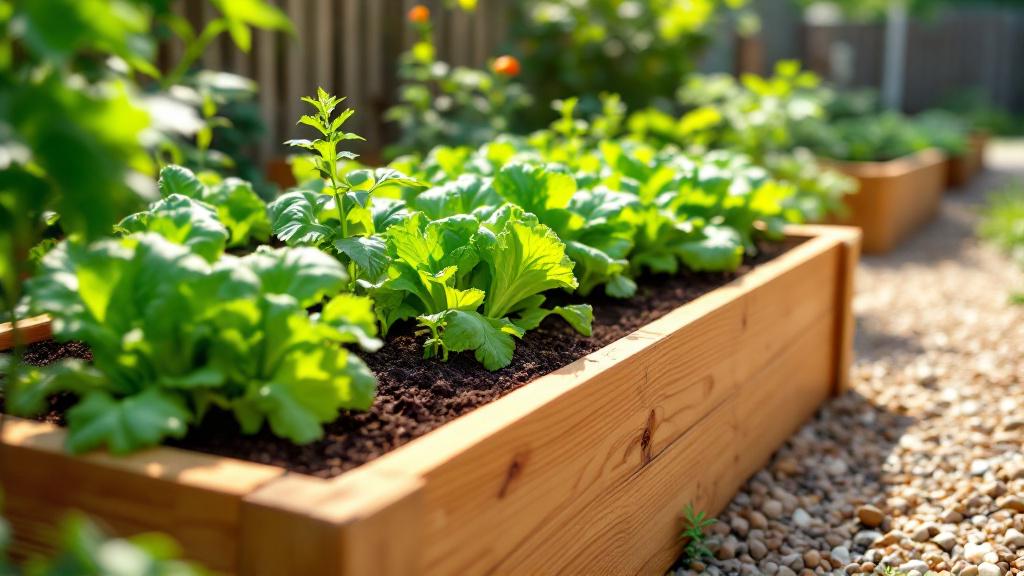

Before you start digging, it’s worth knowing why raised beds are so much better than gardening directly in the ground. Here’s the real secret:
-
Total Soil Control: You aren’t stuck with whatever dirt is in your backyard. You can mix in rich, loose, and well-draining soil that’s perfect for roots.
-
No More Soggy Roots: Drainage is much better here, which means your plants won’t rot during a heavy downpour.
-
Get a Head Start: Because the soil is elevated, it warms up much faster in the spring, but you still need to follow specific state planting calendars to make sure you don’t plant too early. letting you plant a few weeks earlier than your neighbors.
-
Less Backache: Bending and kneeling is way easier, making it perfect for small spaces or anyone who wants a more accessible garden.
The Best Vegetables for Your Raised Bed
When choosing what to grow, think about the depth of your bed. Most are about 8 to 12 inches deep, which is fine for greens, but if you want massive carrots, you might need something a bit deeper. Here are my top picks:
1. Leafy Greens (The Quick Wins)
Raised beds are a dream for greens because they love the consistent moisture and rich soil.
-
Lettuce: Super easy and compact. I love the ‘cut-and-come-again’ varieties for a constant supply.
-
Spinach and kale: These are hardy and love the cooler months. Kale, in particular, will keep producing from spring all the way to fall.
-
Swiss Chard: Not only is it delicious, but the colorful stems also make your garden look amazing.
-
Pro Tip: Plant these on the north or east side of your bed so they get a bit of shade from taller plants like tomatoes when it gets too hot.
2. Root Vegetables (Perfect for Loose Soil)
Since you control the soil, you can make it stone-free, which means your carrots won’t grow all twisted and weird!
-
Carrots: They thrive in deep, fluffy soil. If your bed is shallow, try shorter varieties like ‘Nantes.’
-
Radishes: These are the fastest “win” in gardening; they’re usually ready in just 3 to 4 weeks.
-
Beets & Parsnips: These need a bit more space but grow beautifully in raised beds.
-
Pro Tip: Never stomp on the soil in your raised bed. Roots need that loose, airy space to push through easily.
3. Summer Favorites (The Sun Lovers)
Once the frost is gone, it’s time for the heavy hitters.
-
Tomatoes: These are the stars of any raised garden. Just make sure to use sturdy cages or stakes for support.
-
Peppers & Eggplants: They love the extra warmth that raised bed soil provides.
-
Cucumbers & Zucchini: To save space, I always grow my cucumbers vertically on a trellis. For zucchini, look for “bush” varieties so they don’t take over the whole bed.
-
Pro Tip: Wait until the nights are consistently warm before moving these outside.
4. Beans and Peas (Space Savers)
These are fantastic because they actually improve your soil by adding nitrogen back into it.
-
Bush Beans: Great for small spaces and very productive.
-
Pole Peas: These love to climb, so give them some netting or bamboo poles to save ground space for other vegetables.
5. Brassicas (The Cool Crowd)
Cabbage, broccoli, and cauliflower love the deep, nutrient-rich soil of a raised bed.
-
Broccoli & Cauliflower: These need steady water, so a raised bed makes it easy to keep them hydrated.
-
Brussels Sprouts: They take a while to grow, but the harvest in late fall is totally worth it.
-
Pro Tip: Keep an eye out for cabbage worms. I usually use a light floating row cover to keep the moths from laying eggs on them.
6. Onions, Garlic, and Herbs
Raised beds prevent these bulbs from rotting because the drainage is so good.
-
Garlic: Plant your cloves in the fall and forget about them until midsummer.
-
Herbs (Basil, Parsley, Cilantro): I always tuck a few herbs into the corners of my beds. Basil is a great neighbor for tomatoes, and cilantro loves the cooler spring weather.
Planning Your Raised-Bed Layout
Designing your raised bed efficiently helps you make the most of every square foot.
Here’s how to plan it:
1. Group by Height and Sunlight Needs
- Place tall crops (tomatoes, beans, trellised cucumbers) on the north side so they don’t shade shorter plants.
- Medium crops (peppers, kale, and chard) go in the middle.
- Low-growing crops (lettuce, radishes, and carrots) go on the south edge for full sun.
2. Use Companion Planting
Some plants grow better together:
- Tomatoes and basil boost flavor and deter pests.
- Carrots and onions: each repels the other’s insect pests.
- Lettuce and Radishes: Lettuce shades the soil while radishes mature quickly underneath.
Avoid conflicting pairs like beans and onions, which can stunt each other’s growth.
3. Succession Planting
After an early crop (like radishes or lettuce) finishes, replace it with a summer crop (like beans or peppers). This keeps your raised bed productive all season.
Seasonal Planting Guide for Raised Beds
Spring (March–May)
Best for cool-weather crops:
- Lettuce, spinach, peas, carrots, radishes, onions, broccoli, and cabbage.
Summer (June–August)
Warm-weather crops thrive:
- Tomatoes, peppers, eggplants, cucumbers, beans, squash, and basil.
Fall (September–November)
Plant second rounds of:
- Kale, spinach, arugula, radishes, beets, and garlic (for next summer’s harvest).
Winter (December–February)
In mild climates or with protection (cold frames, covers):
- Grow hardy greens like kale, spinach, or mache (corn salad).
Essential Soil Care and Gardening Tips
Even the best vegetables need good growing conditions. Here are some essential gardening tips to keep your raised bed thriving year-round:
- Soil Mix: Use a blend of 60% topsoil, 30% compost, and 10% perlite or vermiculite.
- Watering: Raised beds dry out faster. Water deeply, ideally in the morning.
- Mulching: Add straw, leaves, or compost mulch to retain moisture and suppress weeds.
- Fertilizing: Refresh compost between plantings; use organic fertilizers like fish emulsion or compost tea for extra nutrients.
- Pest Control: Rotate crops annually and attract beneficial insects with flowers like marigolds or alyssum.
Think of a raised garden bed as your own little self-contained world. It’s easier to manage, stays packed with nutrients, and honestly, the possibilities are endless. While your final planting list will depend on your local weather and how much space you’ve got, the truth is that almost any edible plant can thrive if you set the bed up correctly from the start.
I always tell beginners to start with the basics like crisp lettuce, straight carrots, and juicy tomatoes and then branch out into peppers or hardy kale as they get more comfortable. If you plan your windows right, you can be pulling fresh, healthy food from your backyard from the first warm days of spring until the final chill of fall. There’s really nothing quite like the feeling of walking out to your own garden and picking dinner right off the vine.
So grab your trowel, enrich your soil, and plant your raised bed with confidence. Whether you’re growing for flavor, nutrition, or sustainability, raised-bed gardening turns any small patch of land into a powerhouse of productivity.