


If you are living in Kentucky, you already know that our rolling hills and rich soil are a dream for any gardener. I’ve always felt that we have one of the best spots for growing fresh veggies and flowers, mostly because our growing season stays warm for quite a while. However, I’ll be honest with you, the weather here can be a total roller coaster.
One day you’re enjoying a crisp spring morning, and the next, you’re dealing with that famous Kentucky humidity. That’s why getting your timing right is everything. If you plant too early or too late, you might lose your hard work to a surprise frost or a heatwave. In this guide, I’m going to show you exactly when to get your seeds in the ground so you can actually enjoy a massive harvest this year
Understanding Kentucky’s Climate and Growing Zones
If you’re gardening in Kentucky, the first thing you need to know is your USDA Hardiness Zone. Most of our state sits comfortably between Zones 6a and 7b, but that doesn’t mean our winters are always predictable; temperatures can actually dip anywhere from -10°F to 10°F.
Now, if you’re living in central spots like Lexington or Louisville, you’re likely in Zone 6b. But if you move toward the western side, it gets a bit toastier in Zone 7a. On the flip side, those of us near the Appalachian foothills in the east deal with cooler Zone 6a weather. I always tell beginners: don’t just pick a plant because it looks pretty at the store. You’ve got to make sure it can actually survive a 0°F night in your specific backyard. Knowing your zone isn’t just a technicality; it’s the secret to keeping your garden alive all year round.
These zones are important because they tell you the average frost dates, which are important for knowing when it’s safe to plant. In general:
In Western Kentucky, you can usually breathe a sigh of relief after April 10 to 15, as that’s when our last frost usually hits. However, for those of us in Central Kentucky, I’d suggest playing it safe until at least April 20 or 25. If you’re further east, don’t even think about planting your delicate sprouts until early May, because the frost there loves to hang around until the 10th.
As for the fall, you’ve got to keep an eye on the calendar starting in October. Usually, by the 10th or 25th, that first bite of cold arrives. I always tell people to check their local forecast daily during these weeks because, as we all know, Kentucky weather doesn’t always follow the rules.”
Step 1: Early Spring Crops for the Cool Season
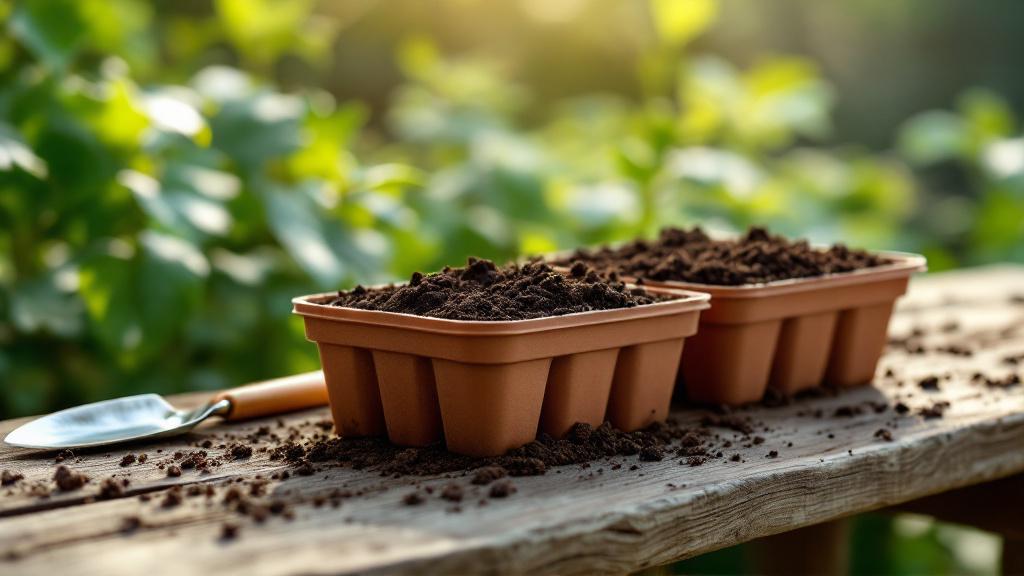

In Kentucky, usually, by late February or early March, our Kentucky soil finally starts to thaw out. I always say, if you can get your shovel in the ground without it getting stuck, it’s officially time to get moving!
This is the sweet spot for cool-season veggies because they actually enjoy a bit of a chill and won’t mind a light frost or two. Whether you’ve been doing this for years or you’re just starting your very first backyard plot, there’s nothing quite like that feeling of seeing the first sprouts come alive. It takes a little bit of planning, sure, but the payoff is worth it when you’re picking fresh, healthy food right from your own garden instead of the grocery store
What to Grow in the Early Spring
In early spring in Kentucky, the following cool-season vegetables do best:
- Spinach, lettuce, kale, and Swiss chard are leafy greens.
- Root vegetables: beets, carrots, radishes, and turnips
- Broccoli, cabbage, cauliflower, and Brussels sprouts are all cool crops.
- Legumes: Peas from the garden and snow peas
- Leeks and onions
If you’re lucky enough to be in Western Kentucky, you can usually start getting hardy seeds like peas and radishes right into the dirt by early March. But for those of us in Central or Eastern Kentucky, I always suggest holding off until at least mid-March to avoid any nasty surprises.
Now, if you’ve got your heart set on broccoli or cabbage, don’t just throw them outside yet! I’ve found it’s much better to start them indoors about 6 to 8 weeks before they move to their permanent home. This gives them a real fighting chance. Once the soil feels a bit warmer, ideally around 45 to 50 degrees, you can safely transplant them and watch them take off.
Advice for Planting Early
- Check your soil: Kentucky soils are often heavy in clay, which makes them warm up slowly and stay wet. To make drainage better, add compost or organic matter.
- Use row covers: Frost blankets or tunnels can help keep young seedlings safe from sudden cold snaps.
- Don’t rush it. If you plant too early in wet, cold soil, the seeds may not grow, or they may rot.
If the weather is nice, you should be able to eat your first greens and radishes by the end of April.
Step 2: Late Spring Crops for the Warm Season
Once that last frost finally clears out, it’s time for the fun part: getting those warm-season crops into the sunshine! For most of us in Kentucky, this usually occurs between late April and mid-May.
I always tell people that if you want to be 100% safe, follow the local tradition: wait until Derby Day (the first Saturday in May) or even Mother’s Day weekend. This isn’t just a superstition; by then, our Kentucky soil has warmed enough for the roots to take off. If you rush and plant your tomatoes, peppers, or squash too early, a cold snap could ruin everything. But by early May, the risk is so low that you can finally relax and let your garden grow strong.
What to Plant in the Late Spring
In Kentucky, warm-season crops are the following:
- In central Kentucky, transplant tomatoes outside after May 1st.
- Peppers and eggplants. Wait until the temperature stays above 50°F at night.
- Cucumbers and squash: Plant directly in the ground when the temperature reaches 60°F.
- You can plant green beans and sweet corn from the end of April to the beginning of June.
- It is best to plant okra, melons, and pumpkins when the soil is warm and loose.
I usually suggest starting your indoor seeds about 6 to 8 weeks before that final frost date hits. For us in Kentucky, this basically means getting your tomato and pepper seeds into their starter pots by late February or sometime in March. If you do this, your plants will be strong and ready to move into the garden by May. It’s all about giving them that extra time to grow indoors where it’s safe and warm.
Planting Tips for Warm Weather
- Warm up the soil: In early spring, use black plastic mulch to help the soil get warmer faster.
- Harden off transplants: Over the course of 7 to 10 days, get indoor seedlings used to being outside.
- Water deeply and often. The summer heat in Kentucky can dry out the topsoil quickly. Mulching keeps moisture in.
Step 3: Mid-Summer Maintenance and Succession
By the time June and July roll around, your garden should really be in its prime. This is the stage where I usually spend a bit more time out there pulling those stubborn weeds before they take over and making sure everything is getting enough water.
It’s also the perfect moment to start succession planting. If you’ve never tried it, it’s basically just planting a fresh round of seeds as soon as your first crops finish their cycle. That way, you aren’t left with an empty patch of dirt in August. Instead, you’ll have a steady stream of fresh veggies coming in right through the end of the season. It takes a little extra effort, but trust me, your future self will thank you when the harvest just keeps coming.
Plants for the Middle of Summer
- Bush beans: Plant every two to three weeks to keep getting beans.
- Sweet corn: Planting it in stages until early July will make your season last longer.
- Cucumbers and squash: If you plant them again in mid-July, they can grow until the fall.
- Okra and sweet potatoes are popular in the South because they do well in Kentucky’s hot summers.
The middle of summer is exactly when those annoying pests like aphids, squash vine borers, and those giant tomato hornworms really start to show up. I always keep a close eye on my plants during this time because they can do a lot of damage fast.
One of my favorite gardening tricks is using companion planting to keep pests away without using harsh chemicals. For example, I’ve found that planting basil right next to my tomatoes or putting some marigolds around my cucumbers works wonders. It’s a simple, natural way to protect your garden and, honestly, it just makes the whole space look and smell even better.
Step 4: From late summer to fall, the second cool season
One of the best things about gardening in Kentucky is that you can grow cool-season crops twice. It’s time to plan your fall garden now that summer is coming to an end and the heat is starting to cool down.
When to Plant Vegetables in the Fall
In central Kentucky, the best time to replant cool-weather crops is in August. As a general rule, you should plant them about 8 to 10 weeks before the first frost, which is usually in mid-October.
That means:
- In early August, there are broccoli, cabbage, carrots, and kale.
- Beets, lettuce, spinach, turnips, and mustard greens will be ready from mid-August to late August.
- Radishes and arugula in early September
As the weather cools, many of these crops will ripen. The light frosts of fall will make the vegetables sweeter and more tender.
Advice for Gardening in the Fall
- Use shade cloth: The heat of August can be hard on seedlings planted in early fall. Keep them in the shade until the weather cools down.
- Keep the soil moist. Droughts in late summer can make it hard for seeds to sprout.
- You can harvest well into November if you use floating row covers, hoop tunnels, or cold frames.
Step 5: Get the soil ready for winter gardening.
Even though winter in Kentucky looks like everything has gone to sleep, gardening doesn’t have to stop. I actually find this ‘quiet’ time to be the most important part of the year. It’s when you do all the behind-the-scenes work that sets you up for a massive harvest once spring finally rolls around.
One of the best things you can do right now is feed your soil. I usually spread a thick layer of compost, old manure, or even just shredded leaves over my beds. They break down slowly during the cold months, which naturally improves the soil texture and pumps in fresh nutrients. If you want to take it a step further, try planting cover crops like clover or rye. They act like a winter blanket for your garden, keeping the soil from washing away and making it incredibly fertile for your next round of plants.
And if you really miss the green, don’t let the frost stop you! Indoor gardening is a lifesaver during a Kentucky winter. With just a simple grow light, you can keep your ‘green thumb’ busy by growing microgreens or fresh herbs right on your kitchen counter. It’s a great way to bring a little bit of that garden magic inside when it’s freezing outdoors, and honestly, having some fresh greenery around really cheers up the house during those grey winter days.
Central Kentucky Planting Calendar Example
| Month | Things to do | Plants to Grow |
| February to March | Get the soil ready and plant crops early. | Lettuce, spinach, peas, radishes, and onions |
| April | Get ready for the warm season by transplanting cool-season crops. | Cabbage, broccoli, carrots, and beets |
| May | After the frost, plant vegetables that grow in warm weather. | Peppers, beans, corn, squash, and tomatoes |
| June to July | Keep up with the garden and plant new things. | Cucumbers, okra, melons, and beans |
| August | Start planting crops in the fall. | Kale, broccoli, turnips, and lettuce |
| September through October | Get the fall crops and keep them safe from frost. | Radishes, mustard greens, and spinach |
| November to January | Preparing the soil and making plans | Cover crops, composting, and how to set up a garden cover crop. |
The Benefits of Gardening All Year in Kentucky
One of the best things about gardening in Kentucky is just how much time you actually have to grow food. From the first seeds of spinach in March to the last kale harvest in November, there’s almost always something to do. That kind of flexibility is a huge win for anyone who loves spending time in the dirt.
But if there’s one piece of advice I want you to take away, it’s this: Stop looking at the calendar and start looking at the thermometer. Every year is a bit different, so you have to be ready to adjust your plans based on what the Kentucky weather is actually doing, much like managing different climate zones in the South. If you stay flexible and keep an eye on those frost dates, you’ll be rewarded with a massive harvest no matter which part of the state you call home.
So, what are you waiting for? Grab your planner and start sketching out your garden beds. Whether it’s the middle of a chilly spring or the peak of a humid summer, there’s always something waiting to be planted here in Kentucky. Get your soil ready, roll up your sleeves, and let’s get growing!