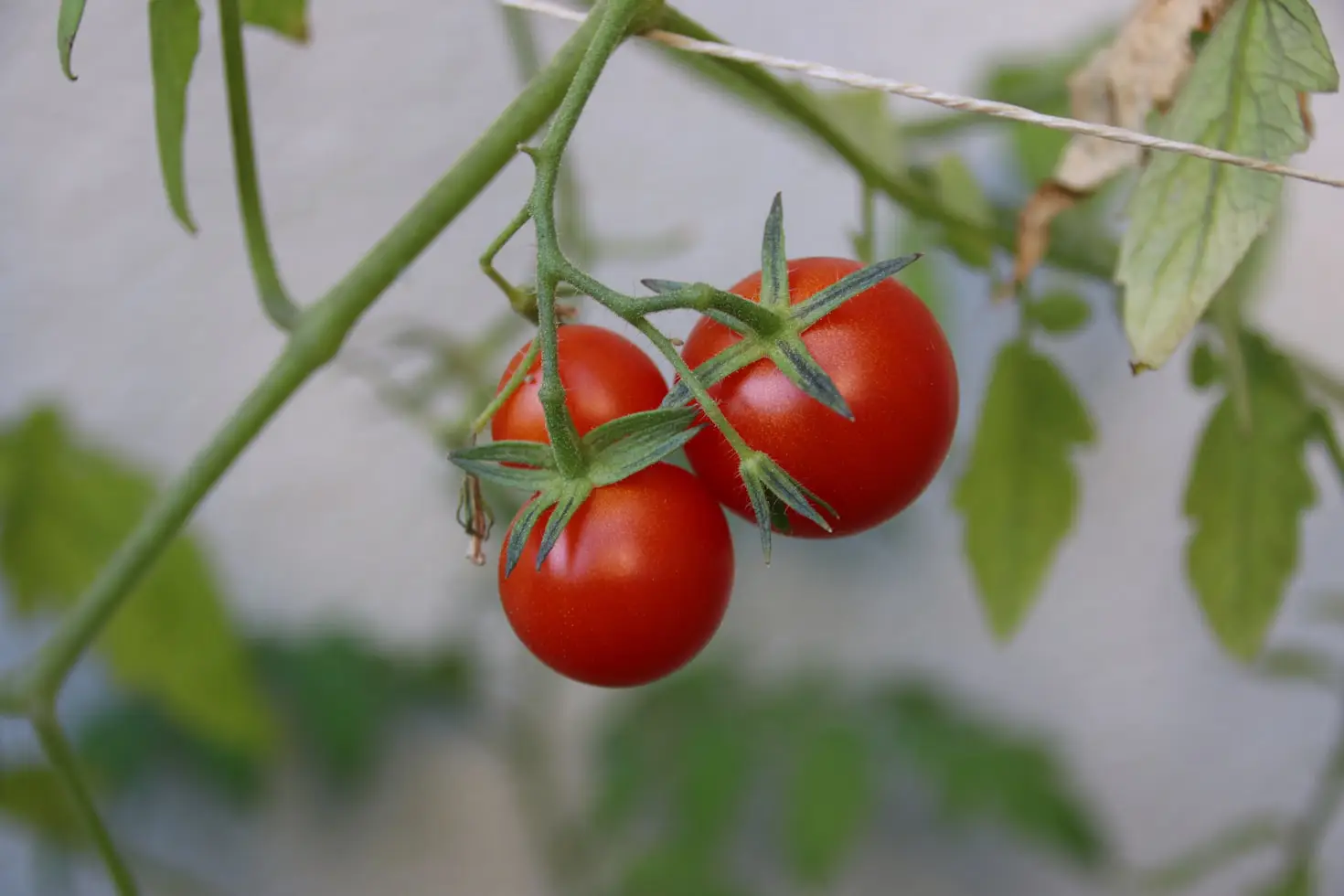

Tomatoes are among the most popular crops grown worldwide — prized for their versatility, flavor, and productivity. Whether you’re a seasoned gardener or just starting with raised beds, tomatoes are often the centerpiece of the summer garden. But the secret to truly thriving tomato plants lies not just in sunlight and watering — it’s in companion planting.
By carefully choosing what to plant alongside your tomatoes, you can boost growth, improve flavor, prevent pests, and make the most of limited raised-bed space. This article explores the best (and worst) companion plants for tomatoes, along with design and care tips to help you create a healthy, productive raised-bed garden.
Why Raised Beds Are Ideal for Tomatoes
Before diving into companion plants, it helps to understand why raised beds are particularly beneficial for growing tomatoes.
1. Improved Drainage
Tomatoes dislike soggy roots. Raised beds allow water to drain freely while keeping soil moist — the ideal balance for healthy roots.
2. Warmer Soil
Raised beds warm up faster in spring, letting you plant earlier and extend the growing season.
3. Better Soil Control
You can fill raised beds with nutrient-rich, well-draining soil tailored to tomato needs, unlike compacted garden soil.
4. Efficient Space Use
Raised beds are perfect for intensive planting. Companion crops can fill gaps, deter pests, and reduce weeds while maximizing yield.
5. Ease of Care
Higher beds make it easier to water, prune, and harvest without excessive bending — ideal for ongoing tomato maintenance.
Why Companion Planting Works
Companion planting is an age-old gardening technique that pairs plants with complementary traits. Some plants enhance soil nutrients, others repel harmful insects, attract pollinators, or provide ground cover to conserve moisture.
For tomatoes, companions help create a balanced mini-ecosystem in your raised bed. The right mix leads to:
- Better growth and yield through nutrient support
- Natural pest control without chemicals
- Improved pollination
- Reduced disease pressure
- More efficient use of space
Let’s look at the best plants to grow with tomatoes — and which ones to avoid.
Best Plants to Grow with Tomatoes in Raised Beds
1. Basil – The Classic Tomato Companion
Basil and tomatoes are a perfect pairing — in the kitchen and the garden. Basil repels tomato hornworms, whiteflies, and aphids, while its aromatic oils are believed to enhance tomato flavor.
- How to plant: Space basil 12 inches away from tomato stems.
- Extra tip: Pinch basil flowers regularly to encourage more leaf growth.
2. Onions, Garlic, and Chives (Alliums)
Alliums help deter pests like aphids, spider mites, and even rabbits. Their strong scent confuses insects that target tomatoes.
- How to plant: Tuck onions or garlic around the bed edges.
- Extra tip: Avoid planting too close to tomato roots to prevent nutrient competition.
3. Carrots
Carrots and tomatoes coexist beautifully. Carrots help break up the soil, improving aeration and drainage around tomato roots.
- How to plant: Sow carrots between tomato rows.
- Extra tip: Expect smaller carrots, as tomato roots will spread widely — a fair trade for rich soil health.
4. Lettuce and Spinach
These leafy greens thrive in the partial shade cast by taller tomato plants. They grow quickly and can act as living mulch to keep soil cool and moist.
- How to plant: Grow lettuce between tomato plants or around the edges of the raised bed.
- Extra tip: Harvest greens often to make room for maturing tomatoes.
5. Marigolds
Marigolds are one of the most valuable companions for tomatoes. Their bright blooms attract pollinators while their roots release compounds that repel nematodes and certain soil pests.
- How to plant: Space marigolds around the perimeter of the bed.
- Extra tip: Use French marigolds for nematode control; deadhead regularly for continuous blooms.
6. Parsley and Cilantro
Herbs like parsley and cilantro attract beneficial insects such as hoverflies and predatory wasps, which prey on tomato pests.
- How to plant: Grow herbs near the corners of your bed or between tomato plants.
- Extra tip: Let some herbs flower to attract pollinators later in the season.
7. Beans and Peas (Legumes)
Legumes enrich the soil by fixing nitrogen, which supports leafy tomato growth. Pole beans can climb nearby supports, while bush beans fill gaps.
- How to plant: Keep at least 18–24 inches from tomatoes to ensure air circulation.
- Extra tip: Avoid overcrowding — beans need space and sunlight, too.
8. Sweet Corn
Corn provides vertical shade, helping protect tomatoes from intense heat in hot climates. It also serves as a natural trellis for lighter vine varieties.
- How to plant: Place corn on the north or west side of the bed to avoid shading tomatoes excessively.
- Extra tip: Corn and tomatoes both need heavy feeding — add compost before planting.
9. Celery
Celery helps repel cabbage worms and certain beetles. Its compact growth fits nicely alongside tomatoes in raised beds.
- How to plant: Grow in partial shade near tomato rows.
- Extra tip: Keep soil evenly moist to prevent bitterness.
10. Nasturtiums
Nasturtiums are a powerhouse companion. They act as a “trap crop,” attracting aphids and whiteflies away from your tomatoes, while their flowers draw beneficial insects.
- How to plant: Allow nasturtiums to trail over raised-bed edges.
- Extra tip: Their edible flowers make a colorful salad garnish!
Plants to Avoid Planting Near Tomatoes
Just as some plants benefit tomatoes, others can harm them by competing for nutrients, attracting pests, or spreading disease.
1. Potatoes
Potatoes and tomatoes are both nightshades and vulnerable to the same diseases (especially blight). Growing them together can rapidly spread infections.
2. Cabbage Family (Broccoli, Cauliflower, Kale, Cabbage)
These heavy feeders compete with tomatoes for nutrients, especially nitrogen and calcium, stunting growth.
3. Corn (if space is limited)
While corn can provide shade, it also attracts tomato fruitworms — which are the same as corn earworms. Avoid planting too close.
4. Fennel
Fennel secretes compounds that inhibit tomato growth and deter beneficial insects.
5. Dill (mature plants)
Young dill helps repel pests, but mature dill can stunt tomato growth. If you grow it, remove before it flowers.
Designing a Raised Bed for Tomatoes and Companions
A well-planned layout keeps plants healthy, improves airflow, and maximizes productivity. Here’s a sample plan for a 4×8-foot raised bed:
- Center row (main crop): 3–4 tomato plants, spaced about 18–24 inches apart.
- Between tomatoes: Basil, carrots, or parsley.
- Front edge: Lettuce or spinach for shade protection.
- Corners: Marigolds or nasturtiums for pest control.
- Back edge: Bush beans or peas for nitrogen enrichment.
This design ensures biodiversity while preventing overcrowding.
Additional Tips for Tomato Companion Planting
1. Rotate Crops Annually
Avoid planting tomatoes in the same raised bed year after year. Rotate with leafy greens, root vegetables, or legumes to prevent soil-borne diseases.
2. Prune for Airflow
Companion planting can create dense growth. Regularly prune tomato leaves to allow sunlight and airflow between plants.
3. Feed Generously
Tomatoes are heavy feeders. Use compost or organic tomato fertilizer to replenish nutrients used by companion plants.
4. Mulch Generously
Mulching retains moisture, suppresses weeds, and prevents soil splash, which can spread fungal diseases.
5. Water Deeply and Evenly
Drip irrigation or soaker hoses keep moisture consistent — vital for preventing blossom end rot.
6. Harvest Often
Picking ripe fruits and herbs encourages continual production and prevents overcrowding.
Companion planting is one of the most effective — and natural — ways to grow healthier, more productive tomato plants in raised beds. By combining tomatoes with friendly neighbors like basil, marigolds, carrots, and lettuce, you create a mini ecosystem that works in harmony.
The result? Fewer pests, richer soil, better yields, and tastier tomatoes — all without chemicals or extra effort.
Raised-bed gardening gives you full control over soil health, spacing, and design, making it the perfect setup for experimenting with companion planting. Whether you’re working with a few square feet or several beds, the right plant partnerships can turn your garden into a thriving, sustainable space that rewards you with delicious harvests season after season.


