
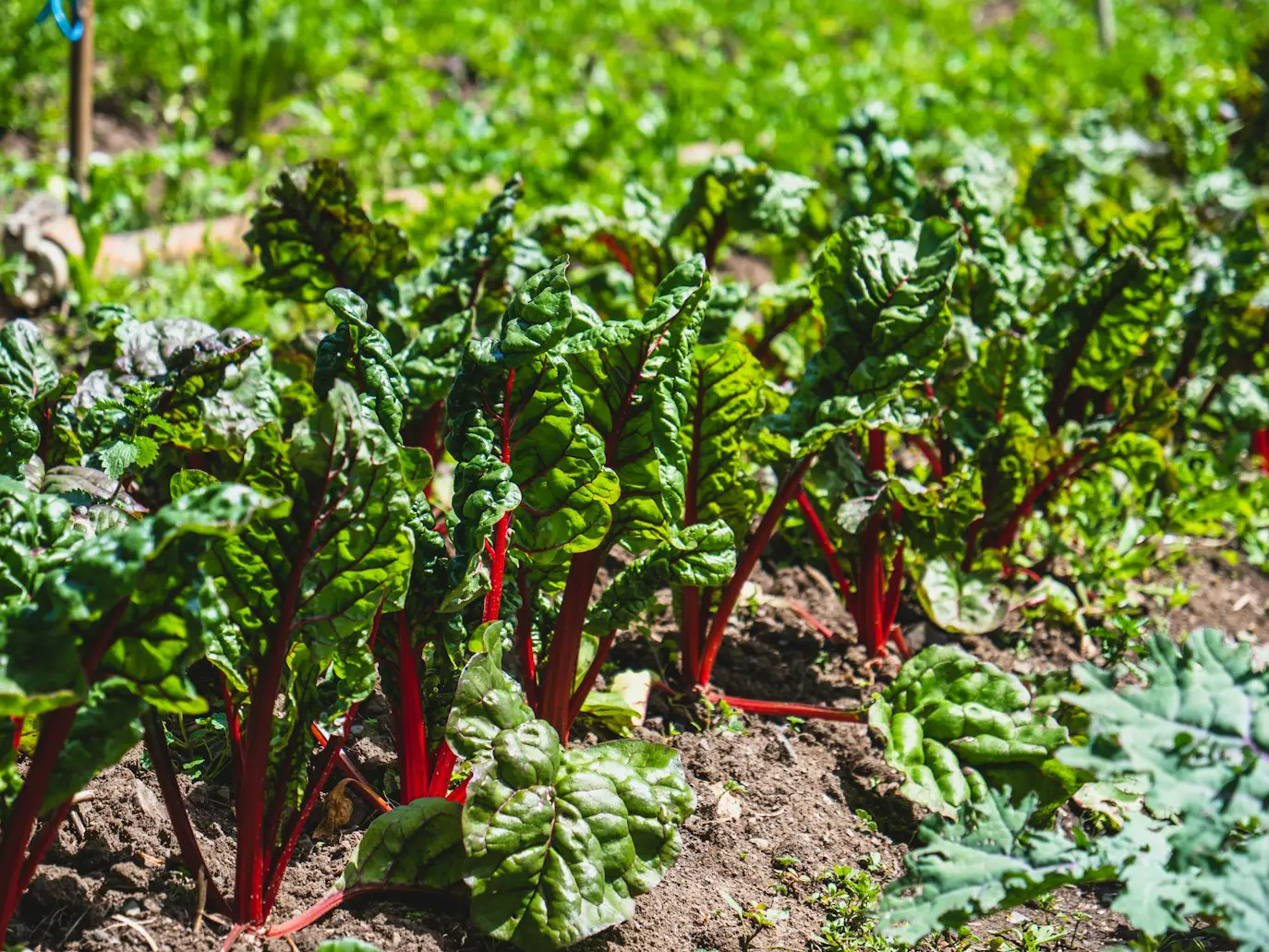

If you’re wondering what to plant in raised garden beds, the possibilities are endless. Raised beds offer excellent drainage, improved soil quality, and easier weed control. Whether you’re growing vegetables, herbs, or flowers, these beds create an ideal environment for healthy plant growth. The key is to choose plants suited to your climate, sunlight, and space. From fast-growing greens to vibrant blooms, raised garden beds allow you to experiment and optimize your garden’s productivity throughout the year. Let’s explore the best options for every type of gardener.
Best Vegetables to Plant in Raised Garden Beds for Maximum Harvest
When deciding which vegetables to plant in raised garden beds, prioritize those that thrive in well-drained, nutrient-rich soil. Popular choices include tomatoes, lettuce, carrots, and peppers. Root vegetables like radishes and beets benefit from the loose soil structure, promoting healthy root development. Bush beans and zucchini are also excellent options, producing abundant yields in small spaces. To maximize your harvest, plant vegetables with similar sunlight and watering needs together. By rotating crops each season, your raised garden beds remain fertile and productive, offering fresh produce throughout the growing year.
Easy-to-Grow Herbs That Thrive in Raised Garden Beds
Herbs are a wonderful addition to any raised garden bed. They require minimal care and provide fresh, aromatic leaves for cooking all year long. Basil, parsley, thyme, mint, and chives grow exceptionally well in raised beds due to their preference for well-drained soil. You can plant herbs near vegetables to enhance flavor and repel pests naturally. To ensure healthy growth, harvest herbs frequently to encourage new shoots. Whether you’re growing them for culinary use or fragrance, these herbs will flourish in your raised garden beds with very little effort.
The Perfect Flowers to Brighten Up Your Raised Beds
Adding flowers to your raised garden beds not only enhances beauty but also attracts pollinators essential for vegetable growth. Marigolds, zinnias, nasturtiums, and petunias are vibrant, easy-to-care-for options. These blooms tolerate sun exposure and complement the greenery of herbs and vegetables. Consider planting perennials like lavender or daisies for lasting color year after year. Flowers also help deter pests and support biodiversity in your garden. By mixing ornamental plants with edible crops, your raised garden beds become a colorful, thriving ecosystem that delights both the eyes and the senses.
Companion Planting: Smart Combinations for Healthy Growth
Companion planting in raised garden beds promotes natural pest control and healthier growth. Pairing compatible plants, such as tomatoes with basil or carrots with onions, creates beneficial interactions that improve flavor and reduce disease risks. Avoid planting incompatible crops like beans and onions together, as they can stunt each other’s growth. Companion planting also maximizes limited space and enhances soil health. For example, leafy greens provide shade for moisture-loving plants, while tall crops act as natural wind barriers. Planning smart plant combinations helps you maintain balance and productivity in every raised bed.
Planning smart plant combinations helps you maintain balance and productivity. For example, if you are growing berries, knowing what to plant with strawberries in a raised bed can naturally deter pests and improve your fruit yield.
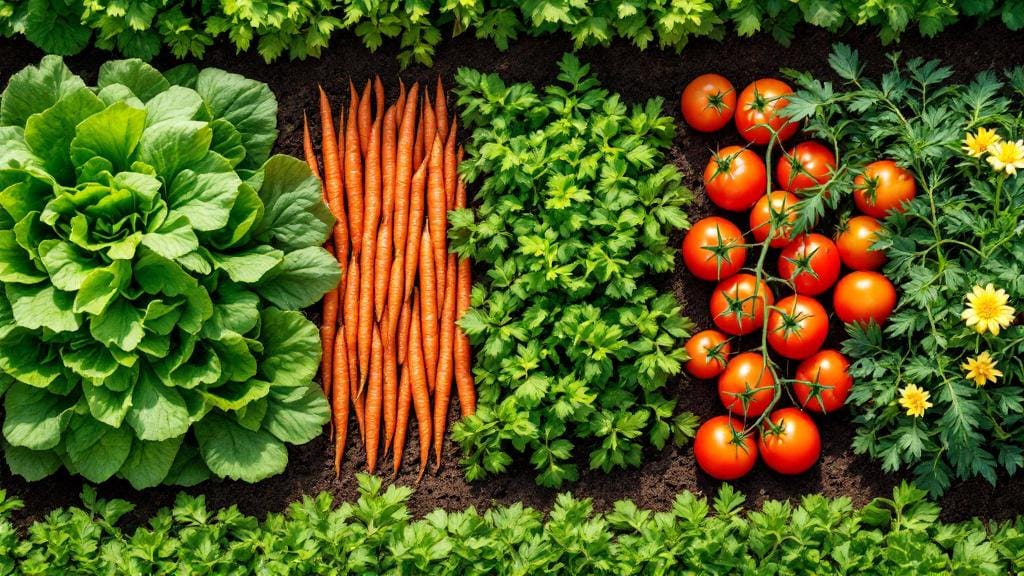
Seasonal Planting Guide: What to Grow in Spring, Summer, and Fall
Understanding seasonal planting ensures year-round success in raised garden beds. In spring, plant cool-weather crops like lettuce, spinach, peas, and radishes. As summer arrives, switch to heat-loving vegetables such as tomatoes, cucumbers, peppers, and squash. For fall, choose hardy options like kale, carrots, and garlic, which tolerate cooler temperatures. Raised beds warm up faster in spring and maintain heat longer in fall, extending your growing season. By following a seasonal schedule, you can enjoy fresh harvests for months while keeping your soil balanced and continuously productive.
Soil Preparation Tips Before You Plant in Raised Garden Beds
Proper soil preparation is vital before you plant in raised garden beds. Start by mixing high-quality garden soil with compost to create a nutrient-rich foundation. A good ratio is 60% topsoil, 30% compost, and 10% coarse sand or perlite for drainage. Test soil pH to ensure it’s balanced. Most plants thrive around 6.0 to 7.0. Avoid compacting the soil; instead, gently loosen it each season to encourage root growth. Adding organic matter annually replenishes nutrients and improves soil structure, ensuring your raised beds remain fertile and productive for years to come.
Common Mistakes to Avoid When Planting in Raised Beds
Even experienced gardeners make errors when planting in raised garden beds. Common mistakes include overcrowding plants, using poor-quality soil, and neglecting crop rotation. Overwatering is another frequent issue, as raised beds retain moisture differently than traditional gardens. Failing to provide proper sunlight or drainage can stunt plant growth. To avoid these pitfalls, plan spacing carefully, use high-quality soil, and monitor watering needs. Regularly remove weeds and add mulch to retain moisture. By addressing these simple factors, you’ll create a thriving raised bed garden that stays healthy and productive all season.
How to Plan and Organize Your Raised Garden Bed Layout
A well-designed layout makes a huge difference when planning what to plant in raised garden beds. Start by grouping plants based on their sunlight and watering needs. Taller plants like tomatoes should be placed on the north side to prevent shading smaller crops. Use companion planting principles to maximize space and reduce pest problems. Leave pathways for easy access to each section of your raised bed. Consider installing trellises for climbing vegetables such as beans or cucumbers. With thoughtful organization, your raised garden beds will be both functional and visually appealing.
Low-Maintenance Plants for Busy Gardeners
If you love gardening but lack time, choose low-maintenance plants for your raised garden beds. Hardy crops like kale, swiss chard, and green onions require minimal attention yet provide steady yields. Perennial herbs such as rosemary, thyme, and sage come back year after year, reducing replanting efforts. Succulents and native flowering plants also thrive with little care, needing only occasional watering. Adding mulch helps conserve moisture and control weeds. These easy-to-grow choices ensure your raised beds remain vibrant and rewarding without demanding constant upkeep or specialized gardening skills.
Crop Rotation Tips: Keeping Your Raised Bed Garden Productive Year After Year
Crop rotation is essential for maintaining healthy raised garden beds. Rotating plant families each season prevents nutrient depletion and minimizes pest buildup. For instance, follow legumes like beans with leafy greens or root vegetables to replenish nitrogen levels. Avoid planting the same crops in the same spot yearly, as it encourages soil-borne diseases. Keeping a simple planting record helps track what grew where. Adding compost between seasons rejuvenates the soil, supporting consistent productivity. With smart crop rotation, your raised garden beds will continue producing abundant, nutrient-rich harvests year after year.
With smart crop rotation, your raised garden beds will continue producing abundant harvests. You can study the scientific principles of crop rotation to better understand how different plant families interact with soil nutrients.


