


Gardening often brings to mind colorful flower beds, vegetable plots, or rock gardens, but few landscapes capture the mysterious beauty of nature quite like a bog garden. With its lush, moisture-loving plants and unique ecological balance, a bog garden is both fascinating and functional. It can transform a soggy, poorly drained corner of your yard into a thriving habitat for wildlife and exotic flora.
If you’ve ever wondered what a bog garden is, how it works, and whether you can build one in your own backyard, this guide will walk you through everything you need to know, from the science behind bogs to practical steps for creating and maintaining your own.
Understanding What a Bog Garden Is
A bog garden is a garden designed to replicate the conditions of a natural bog, a wetland area where the soil is constantly moist but not fully submerged under water. Unlike ponds or marshes, bogs are characterized by poor drainage, acidic soil, and low nutrient levels, making them ideal for specialized plants that thrive in damp, low-fertility environments.
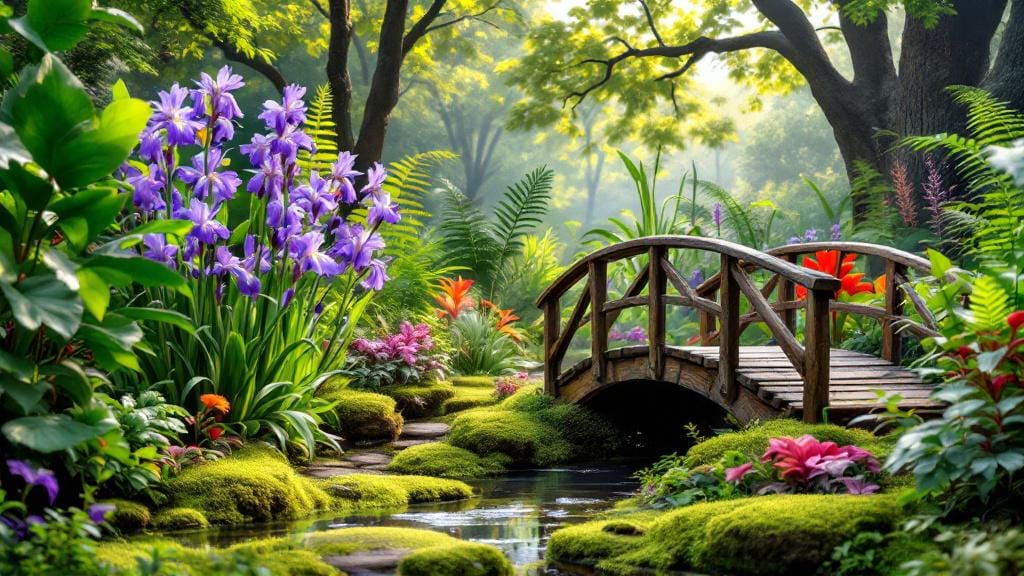
In simple terms, a bog garden is a permanently damp planting area that mimics this natural habitat. It’s a middle ground between a pond and a traditional flower bed. The soil remains consistently wet, yet oxygen still reaches plant roots, creating ideal conditions for species such as carnivorous plants, irises, ferns, and hostas.
The Ecology of a Natural Bog
Natural bogs form over thousands of years through the accumulation of sphagnum moss and organic matter in waterlogged conditions. Because decomposition happens slowly in these oxygen-poor environments, organic material builds up as peat, a spongy, acidic substrate. This peat layer stores carbon, regulates water flow, and supports rare plants adapted to low-nutrient conditions.
By recreating some of these characteristics in your garden, such as moisture retention, low fertility, and acidic soil, you can enjoy many of the same resilient and beautiful plants that make bog ecosystems so captivating.
Why Create a Bog Garden?
Bog gardens offer both aesthetic and ecological benefits:
- Transforms problem areas: Low-lying or poorly drained spots in your yard can become assets instead of eyesores.
- Encourages biodiversity: Bog gardens attract frogs, dragonflies, butterflies, and beneficial insects.
- Supports rare plants: Many wetland and carnivorous plants can only thrive in bog conditions.
- Improves water management: A bog garden absorbs excess rainwater, helping reduce runoff and erosion.
- Adds visual drama: Contrasting textures, lush foliage, and unusual flowers create a striking garden feature.
Whether you’re passionate about native plants, sustainability, or simply want something different, a bog garden can add life and intrigue to your outdoor space.
Types of Bog Gardens
Not all bog gardens are the same. The design depends on your space, soil, and water availability. Here are the main types:
1. Natural Bog Gardens
These are created in existing low, damp areas that naturally retain water. Minimal intervention is needed—just soil improvement and plant selection suited to existing conditions.
2. Artificial or Constructed Bog Gardens
Ideal for drier landscapes, these are man-made bogs built using pond liners, clay, or water-retaining barriers to keep the soil consistently moist. This type offers more control over water levels and soil acidity.
3. Pond-Margin Bog Gardens
If you already have a pond, the area along its edge can be turned into a bog garden. As water seeps through the marginal soil, it provides perfect conditions for bog plants.
4. Container Bog Gardens
For small spaces or patios, you can create a mini bog garden in a large container, half-barrel, or tub. It’s an excellent way to experiment with bog plants before committing to a larger setup.
How to Build a Bog Garden: Step-by-Step
Building a wetland sanctuary is an exciting project. For more detailed instructions and material lists, check out our comprehensive step-by-step guide to making a bog garden to ensure your project is a success.
Creating a bog garden doesn’t require a natural wetland, just some planning and a bit of effort.
Step 1: Choose the Right Location
Select a low-lying, partially sunny area where water naturally collects or can be retained. Bog plants need at least 4–6 hours of sunlight daily, though some tolerate light shade.
Avoid areas with strong drainage or dry soil, as you’ll struggle to maintain the moisture levels needed.
Step 2: Excavate the Area
Dig a hole about 12–18 inches deep (or deeper if you want more moisture retention). The size depends on your available space, but even a small 4×4-foot area can host a diverse bog community.
Step 3: Line the Base
Line the hole with pond liner, heavy-duty plastic, or clay to slow drainage. Puncture a few small holes in the liner to allow slow seepage. This keeps the soil damp without stagnation.
Step 4: Add a Drainage Layer (Optional)
If your area receives heavy rain, add a thin layer of gravel at the bottom to prevent waterlogging. Otherwise, you can skip this step to retain more moisture.
Step 5: Prepare the Soil Mix
Bogs thrive on low-nutrient, acidic soil. A good mix includes:
- 2 parts sphagnum peat moss
- 1 part coarse sand or grit
- 1 part loam or topsoil
Avoid compost or fertilizers, as these raise nutrient levels and harm bog plants.
Step 6: Fill and Water
Fill the hole with your soil mix, pressing gently to remove air pockets. Then flood the area with water until it’s saturated. Allow it to settle for a few days before planting.
Step 7: Plant and Mulch
Choose moisture-loving plants and arrange them by height—taller species in the center or back, and shorter ones at the edges. Add a thin layer of moss or fine mulch to retain surface moisture.
Best Plants for Bog Gardens
A bog garden is a plant lover’s paradise, filled with species adapted to wet, acidic soil. Here are some excellent choices:
Carnivorous Plants
These unique species evolved to thrive in nutrient-poor bogs by capturing insects:
- Pitcher plants (Sarracenia)
- Venus flytrap (Dionaea muscipula)
- Sundews (Drosera)
- Butterworts (Pinguicula)
Flowering Plants
Bring color and texture to your bog:
- Marsh marigold (Caltha palustris)
- Japanese iris (Iris ensata)
- Cardinal flower (Lobelia cardinalis)
- Swamp milkweed (Asclepias incarnata)
- Primulas (Primula japonica)
Grasses and Sedges
Add structure and movement:
- Carex (Sedge)
- Sweet flag (Acorus calamus)
- Blue-eyed grass (Sisyrinchium angustifolium)
Ferns and Foliage Plants
Provide lush greenery:
- Royal fern (Osmunda regalis)
- Sensitive fern (Onoclea sensibilis)
- Hostas
- Astilbes
Native Plants
Whenever possible, choose native bog species suited to your climate. They’ll establish easily and support local wildlife.
Watering and Maintenance
Bog gardens require consistent moisture. Here’s how to care for yours:
- Water regularly: The soil should stay damp at all times. In dry spells, flood the area with rainwater (avoid tap water if it’s high in minerals).
- Avoid fertilizers: Most bog plants prefer nutrient-poor soil; feeding them can cause root damage or weed invasion.
- Remove debris: Clear fallen leaves and algae buildup to prevent rot.
- Trim plants: Cut back dead growth in late winter before new shoots appear.
- Control invasives: Some species, like cattails, can spread aggressively; divide or thin them annually.
Wildlife Benefits of Bog Gardens
Bog gardens are ecological magnets. Their moist conditions and dense vegetation attract a wide array of life forms:
- Frogs and toads breed in the shallow, damp environment.
- Dragonflies and damselflies use bogs for laying eggs.
- Bees and butterflies feed on nectar-rich flowers.
- Birds visit for insects, seeds, and shelter.
By building a bog garden, you’re contributing to local biodiversity and creating a mini wetland that supports fragile ecosystems.
Beyond your own backyard, these habitats are vital for regional ecosystems. You can explore more about the wildlife value of bog habitats and how they support endangered species across the country.
Common Problems and Solutions
Even a well-built bog garden can face challenges:
1. Drying Out
- Cause: Excessive sun or poor water retention.
- Solution: Add more peat moss, reduce drainage holes, and water more frequently.
2. Algae Growth
- Cause: Nutrient buildup from runoff or fertilizers.
- Solution: Avoid fertilizing and redirect nutrient-rich water away from the bog.
3. Invasive Species
- Cause: Aggressive plants are overtaking slower growers.
- Solution: Regularly divide or remove spreading species.
4. Winter Damage
- Cause: Freezing and thawing cycles.
- Solution: Mulch with straw or leaves in late fall to protect roots.
Seasonal Care Tips
- Spring: Add new plants, divide mature clumps, and tidy up debris.
- Summer: Water deeply during heatwaves and watch for signs of drying.
- Autumn: Prune faded growth and clean out fallen leaves.
- Winter: Leave some seed heads for birds and insulate roots with mulch.
The Beauty of a Balanced Bog Garden
A bog garden represents the delicate balance between water and earth, a place where specialized plants and wildlife coexist in harmony. It’s not just a design feature but a living ecosystem that celebrates the diversity of nature.
Whether your goal is sustainability, conservation, or simply to enjoy something rare and beautiful, a bog garden rewards patience and care with a stunning, ever-changing display of textures, colors, and life.
Transform that troublesome wet patch in your yard into a flourishing sanctuary and discover why bog gardens are some of the most enchanting landscapes you can create.


