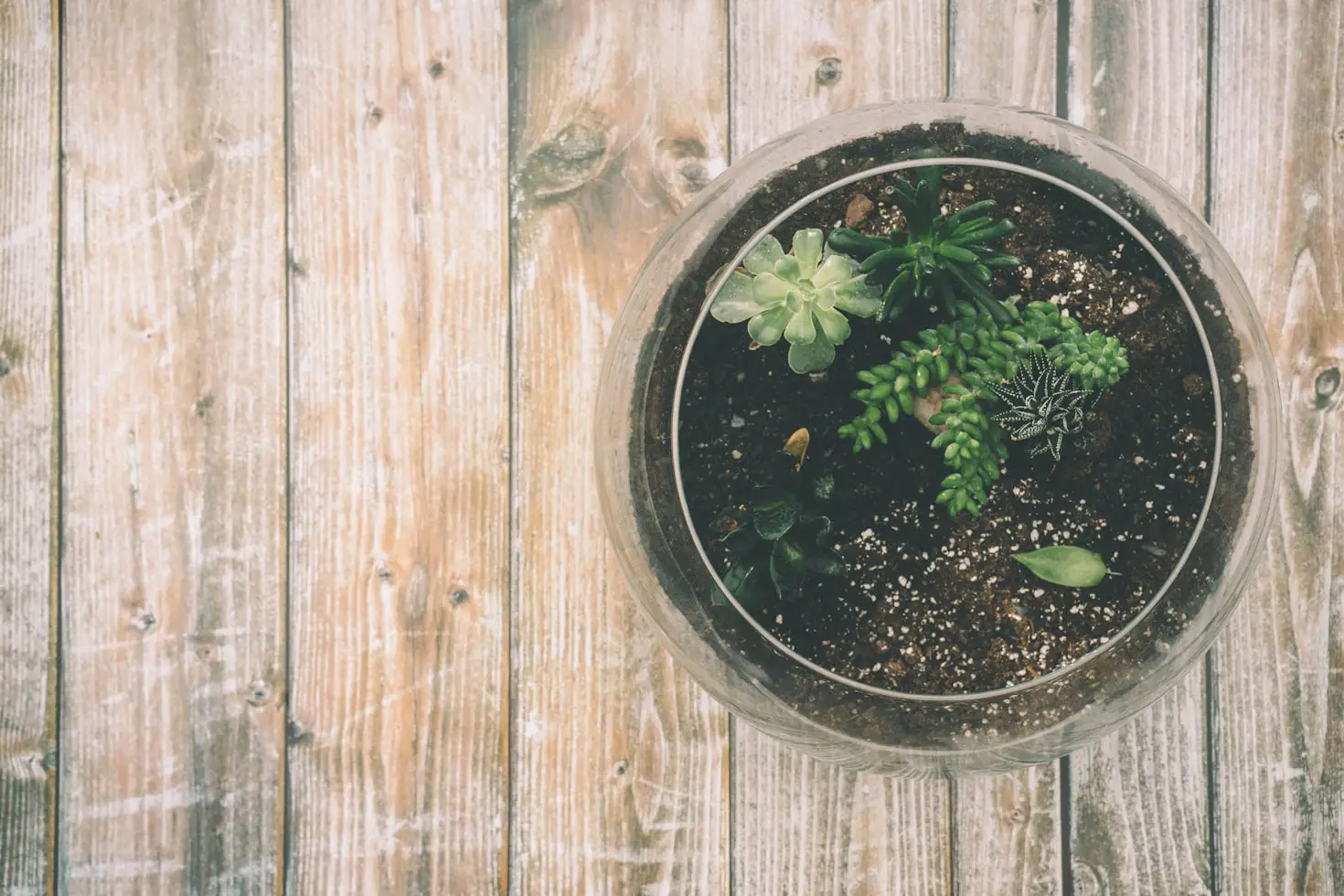

Growing herbs in containers is a fantastic way to enjoy fresh flavors, fragrances, and visual appeal, even if you have limited space. Container herb gardens are ideal for patios, balconies, small yards, or indoor spaces. However, one question often arises: what herbs can be planted together in a pot? Not all herbs grow well side by side. Some have different water, sunlight, or soil requirements, and some may even compete for nutrients. Understanding which herbs are compatible will help you create a healthy, thriving container garden that maximizes flavor, growth, and space.
Benefits of Growing Herbs in Pots
Before exploring herb pairings, it’s worth noting why container herb gardening is so popular:
- Space Efficiency: Perfect for small apartments, balconies, or patios.
- Mobility: Containers can be moved to follow sunlight, protect plants from frost, or change your garden’s look.
- Soil Control: You can provide the perfect soil mix for your herbs, reducing the risk of poor drainage or nutrient deficiency.
- Pest Management: Containers are easier to monitor and protect from insects or animals.
- Decorative Appeal: Grouping herbs in attractive containers adds fragrance, color, and texture to your outdoor or indoor space.
Principles of Planting Herbs Together
To successfully grow multiple herbs in a single pot, consider these principles:
- Sunlight Needs
Most culinary herbs prefer full sun, which means at least six to eight hours of direct sunlight per day. However, some herbs tolerate partial shade. Group herbs with similar sunlight requirements together to prevent one plant from struggling. While sunlight is key, timing is also crucial for success. Make sure to check when can you plant herbs outside to avoid frost damage to your young plants. - Watering Requirements
Different herbs have different tolerances for moisture. For example, basil prefers consistently moist soil, while rosemary thrives in drier conditions. Pair herbs with similar watering needs to avoid overwatering some and underwatering others. - Growth Habits
Consider the size and growth habit of each herb. Tall or spreading herbs can overshadow smaller ones. Place trailing herbs at the edges and upright varieties in the center or back of the pot for balance and proper airflow. - Soil Preferences
Most herbs prefer well-draining soil, but Mediterranean herbs such as thyme, rosemary, and sage prefer slightly sandy or alkaline soil. Mixing herbs with very different soil needs in one container can limit their growth.
Herbs That Grow Well Together
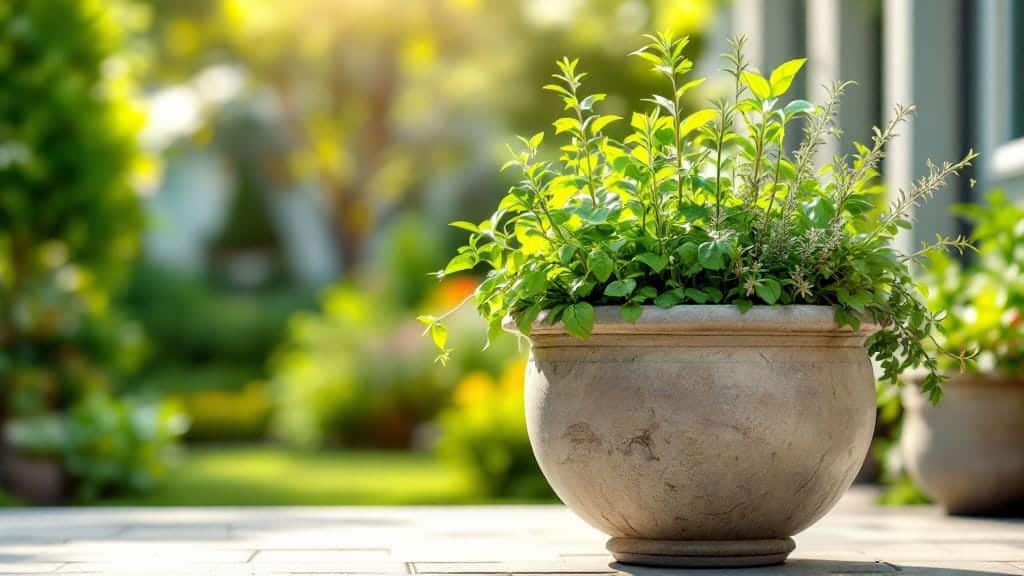
Here’s a guide to popular herbs that are compatible in a single container:
- Mediterranean Herbs
These herbs prefer full sun and well-draining soil:
- Rosemary
- Thyme
- Oregano
- Sage
These herbs tolerate drier soil and infrequent watering. Planting them together creates a low-maintenance, fragrant herb pot with excellent culinary uses.
- Italian Herb Combinations
For a cooking-focused container, consider:
- Basil
- Parsley
- Chives
- Oregano
Basil and parsley enjoy consistent moisture and sunlight, while chives add a decorative element with their purple blooms. Oregano can tolerate slightly drier soil but generally grows well alongside these herbs when watered regularly.
- Salad Herb Mix
If you want fresh herbs for salads, consider the following:
- Cilantro
- Dill
- Chervil
- Parsley
These herbs grow quickly and are ideal for cutting and using fresh. They prefer cooler weather, partial sun, and moist soil. Avoid pairing them with Mediterranean herbs, as their needs differ.
- Tea and Fragrant Herb Pot
For a fragrant container that can be used in teas or aromatherapy:
- Mint
- Lemon balm
- Chamomile
- Lavender
Mint and lemon balm are vigorous growers, so they should be planted together. Chamomile is delicate and does well with these companion herbs. Lavender prefers slightly drier soil, so planting it slightly elevated with better drainage helps.
- Companion-Friendly Herbs
Some herbs naturally benefit each other when grown together:
- Basil and tomatoes: While tomatoes aren’t herbs, basil grown alongside tomatoes in a container can enhance flavor and reduce pests.
- Rosemary and sage: Both are Mediterranean herbs with similar watering needs.
- Thyme and oregano: Compact growth and similar soil requirements make them ideal companions.
Tips for Successful Herb Containers
- Container Size
Choose a container large enough to accommodate the mature size of your herbs. A pot that is 12–18 inches wide and deep is usually sufficient for a small mixed herb garden. Larger containers allow herbs to grow without competing for space or nutrients. - Drainage
Proper drainage is essential. Use containers with drainage holes and add a layer of gravel or small stones at the bottom if needed. Good drainage prevents root rot, especially for Mediterranean herbs. - Soil Mix
Use a high-quality potting mix, ideally blended with perlite or sand for improved drainage. Herbs prefer slightly nutrient-rich but not overly fertile soil, which encourages flavorful growth rather than excessive leafy growth. - Watering Schedule
Monitor soil moisture regularly. Most herbs prefer the soil to dry slightly between watering, though moisture-loving herbs like basil should be kept evenly moist. Water deeply but avoid waterlogging the soil. - Fertilization
Container herbs benefit from occasional feeding with a balanced, water-soluble fertilizer. Apply once every four to six weeks during the growing season to encourage healthy growth. Avoid over-fertilizing, as this can reduce flavor intensity. - Pruning and Harvesting
Regular harvesting promotes bushier growth and prevents herbs from becoming woody or overgrown. Pinch off stems just above a leaf node, which encourages new growth. Remove flower buds on herbs like basil to extend leaf production. - Pests and Diseases
Even in containers, herbs can attract pests such as aphids or spider mites. Inspect plants regularly and use organic remedies like neem oil or insecticidal soap if necessary. Proper spacing and air circulation help prevent fungal diseases.
Creative Container Combinations
To maximize both aesthetics and utility, try these combinations:
- Sun-Loving Mediterranean Pot: Rosemary, thyme, oregano, and sage.
- Cooking Essentials Pot: Basil, parsley, chives, and oregano.
- Salad Garden Pot: Cilantro, dill, chervil, and parsley.
- Tea & Fragrance Pot: Mint, lemon balm, chamomile, and lavender.
Decorative tips: plant taller herbs like rosemary in the center or back, trailing herbs like oregano or mint at the edges, and smaller herbs like chives near the front. This arrangement ensures even light distribution and attractive presentation.
If you want to experiment with more flavors, you can explore this complete list of culinary herbs and their uses to find new additions for your pots.
Indoor Herb Garden Considerations
Indoor containers require special care:
- Light: Place herbs near a south-facing window or supplement with LED grow lights. Herbs generally need 6–8 hours of light daily.
- Humidity: Indoor air can be dry, especially in winter. Mist herbs lightly or place a shallow water tray nearby.
- Container Selection: Use pots with drainage holes and shallow saucers to avoid water pooling.
- Air Circulation: Indoor herbs benefit from good airflow to prevent mold and mildew.
Compatible indoor pairings include basil and parsley or mint and lemon balm. Avoid mixing Mediterranean herbs like rosemary with moisture-loving herbs indoors, as they have different watering requirements.
Common Mistakes to Avoid
- Overcrowding: Planting too many herbs in a small container restricts airflow, encourages disease, and stunts growth.
- Ignoring Watering Needs: Pairing herbs with conflicting water requirements can harm one or more plants.
- Lack of Pruning: Allowing herbs to flower or grow unchecked can reduce leaf production and vigor.
- Poor Drainage: Containers without proper drainage often lead to root rot, especially in Mediterranean herbs.
By avoiding these mistakes and choosing compatible herbs, you can create a thriving, low-maintenance container garden.
Planting herbs together in a pot is a practical, space-saving, and rewarding way to enjoy fresh herbs year-round. Success depends on grouping compatible herbs based on sunlight, water needs, growth habits, and soil preferences. Mediterranean herbs like rosemary, thyme, and oregano thrive together, while basil, parsley, and chives form an excellent cooking-focused combination. Vigorously growing herbs like mint and lemon balm pair well with each other in fragrant or tea-focused containers. By choosing the right container, soil, and watering schedule, and by regularly pruning and harvesting, gardeners can enjoy a healthy, flavorful, and visually appealing herb garden in any size space.
Whether you’re planting a single container on a sunny balcony or multiple pots in a backyard garden, understanding herb compatibility is the key to success. With thoughtful planning and care, your container herb garden will flourish, providing fresh leaves, culinary inspiration, and aromatic beauty throughout the year.


