
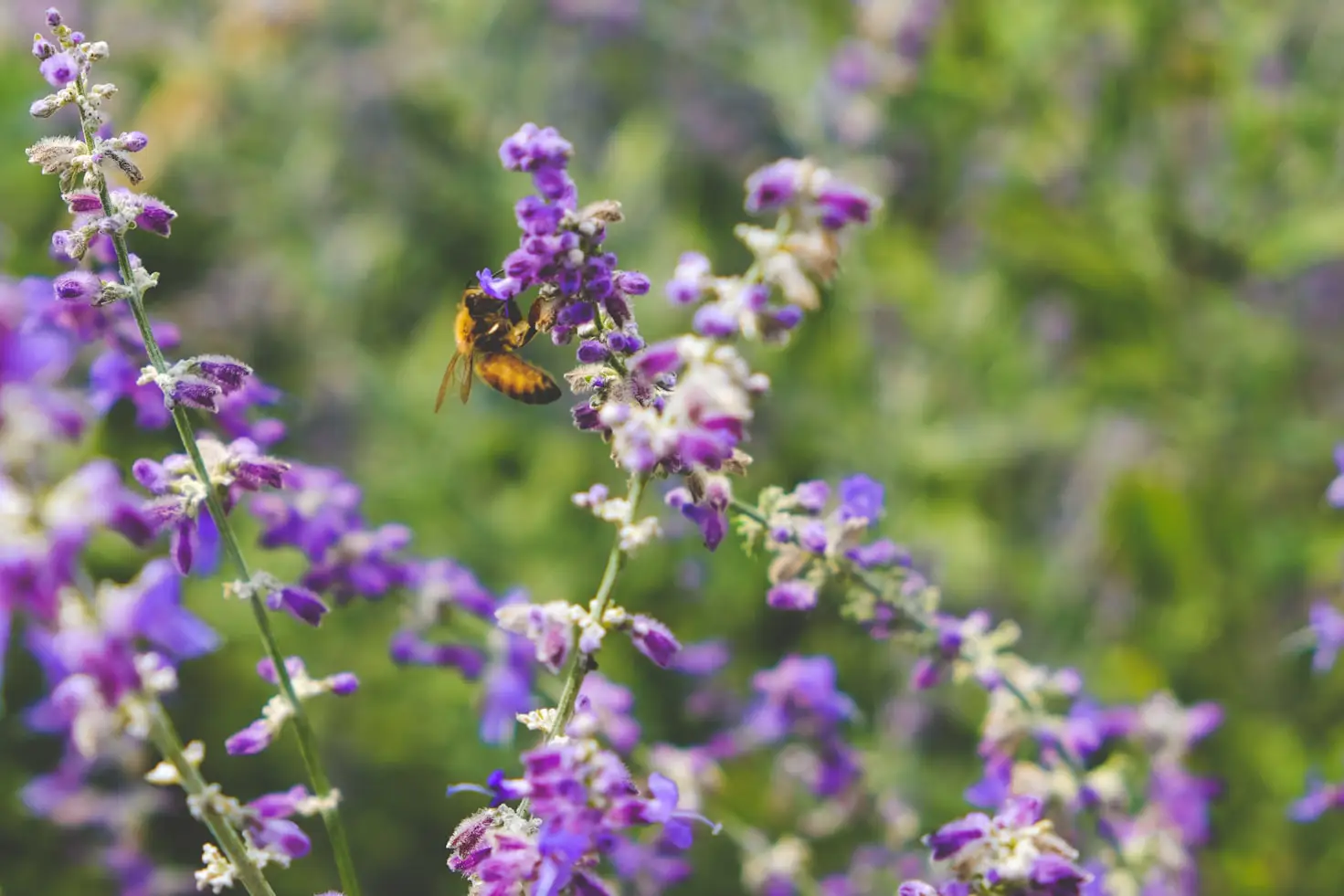

Biodiversity, the variety of life on Earth, including plants, animals, insects, microorganisms, and ecosystems, is essential for a healthy planet. It supports food production, clean water, climate regulation, and overall ecological balance. However, biodiversity is declining worldwide at an alarming rate, and one of the major contributors to this decline is conventional agriculture. While conventional farming has helped increase food production to support a growing global population, it has also placed significant pressure on natural ecosystems. Understanding the effects of conventional agriculture on biodiversity is crucial for developing more sustainable food systems.
Understanding Conventional Agriculture
Conventional agriculture refers to modern, industrialized farming systems that prioritize high yields, efficiency, and large-scale production. These systems typically rely on monoculture cropping (growing a single crop over large areas), synthetic fertilizers, chemical pesticides and herbicides, mechanization, and intensive land use. While these practices have increased productivity, they often come at an environmental cost.
The effects of conventional agriculture on biodiversity can be seen at multiple levels—from soil organisms and insects to birds, mammals, and entire ecosystems.
Habitat Loss and Land Conversion
One of the most significant impacts of conventional agriculture on biodiversity is habitat loss. Natural ecosystems such as forests, wetlands, grasslands, and savannas are frequently cleared to make room for farmland. This conversion destroys the natural habitats that countless species depend on for food, shelter, and reproduction.
As agricultural land expands, wildlife populations become fragmented and isolated. Smaller, disconnected habitats make it harder for species to migrate, find mates, or adapt to environmental changes. Over time, this can lead to population declines and even local extinctions.
Large-scale farming also tends to simplify landscapes by removing hedgerows, trees, ponds, and field margins. Even a small garden have the potential to act as a mini-refuge for these displaced species, providing important habitats for birds, insects, and small mammals, but their removal reduces biodiversity across agricultural landscapes.
Monoculture and Loss of Plant Diversity
Conventional agriculture often relies on monoculture, where a single crop species is grown repeatedly over vast areas. While monoculture allows for efficient planting and harvesting, it significantly reduces plant diversity.
Low plant diversity creates fragile ecosystems. When only one type of crop is grown, the system becomes more vulnerable to pests, diseases, and extreme weather. This lack of diversity also affects wildlife, as many species depend on a variety of plants for food and shelter.
Additionally, monoculture farming contributes to the decline of traditional and native crop varieties. As farmers favor high-yield commercial seeds, many locally adapted plant species disappear, reducing genetic diversity within crops. This loss of genetic diversity makes agriculture less resilient in the long term.
Pesticides and Their Impact on Wildlife
The use of chemical pesticides is a defining feature of conventional agriculture and one of the most harmful factors for biodiversity. Pesticides are designed to kill or control pests, but they often affect non-target species as well.
Insects are particularly vulnerable. Pollinators such as bees, butterflies, and other beneficial insects can be harmed or killed by pesticide exposure. Since pollinators play a crucial role in fruit and seed production, their decline has serious consequences for both natural ecosystems and agriculture itself.
Pesticides can also move through food chains. Birds, amphibians, and small mammals may ingest contaminated insects or plants, leading to poisoning, reproductive problems, or weakened immune systems. Over time, this reduces wildlife populations and disrupts ecosystem balance.
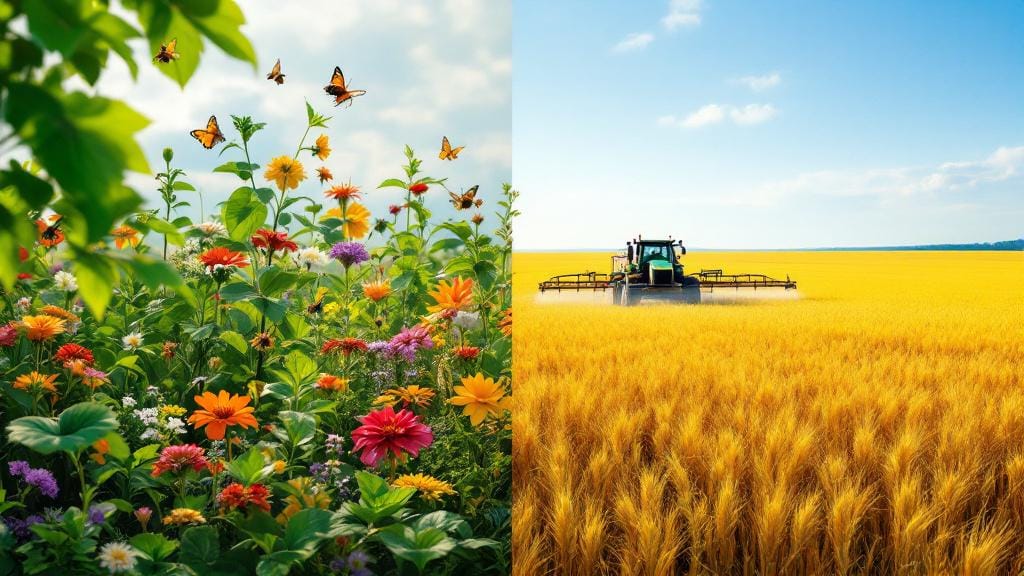
Herbicides and Plant Biodiversity
Herbicides, which are used to kill weeds, also have major effects on biodiversity. While weeds are often seen as unwanted plants, many of them provide essential resources for insects, birds, and other wildlife.
The widespread use of herbicides reduces the availability of flowering plants that support pollinators. It also removes seeds and shelter for birds and small animals. As a result, farmland becomes biologically simplified, supporting far fewer species than more diverse landscapes.
In some cases, herbicide use has led to the decline of specific species that rely on certain wild plants, highlighting how interconnected ecosystems are.
Soil Degradation and Microbial Life
Biodiversity is not limited to visible plants and animals; it also includes the vast community of organisms living in the soil. Healthy soil contains bacteria, fungi, insects, worms, and other microorganisms that are essential for nutrient cycling and plant growth.
Conventional agriculture can negatively affect soil biodiversity through intensive tillage, heavy machinery, and chemical inputs. Frequent plowing disrupts soil structure and destroys habitats for soil organisms. Synthetic fertilizers can reduce the diversity of soil microbes by favoring a limited number of species.
Over time, reduced soil biodiversity leads to poorer soil health, increased erosion, and greater dependence on chemical inputs. This creates a cycle where natural soil processes are weakened, further harming biodiversity.
Intensive farming doesn’t just affect the surface; it destroys the foundation of life. You can read more about the impact of agriculture on soil and habitat to understand the long-term consequences of soil loss.
Water Pollution and Aquatic Ecosystems
Runoff from conventional farms often carries fertilizers, pesticides, and animal waste into rivers, lakes, and oceans. This pollution has severe consequences for aquatic biodiversity.
Excess nutrients, particularly nitrogen and phosphorus from fertilizers, can cause eutrophication—an overgrowth of algae that depletes oxygen in the water. Low oxygen levels can kill fish and other aquatic organisms, creating “dead zones” where few species can survive.
Pesticides in water can poison aquatic insects, amphibians, and fish, disrupting food webs and reducing species diversity. These effects can spread far beyond farmland, impacting entire watersheds and coastal ecosystems.
Impact on Birds and Mammals
Conventional agriculture has contributed to significant declines in bird and mammal populations. Many farmland birds depend on insects, seeds, and diverse habitats that are scarce in intensively farmed areas.
The removal of hedgerows, combined with pesticide use, reduces nesting sites and food sources. As insect populations decline, insect-eating birds struggle to survive. Similarly, small mammals lose shelter and face higher exposure to predators in simplified agricultural landscapes.
Large mammals may also be affected by habitat loss and fragmentation, forcing them into smaller areas or into conflict with human activities.
Climate Change and Indirect Effects on Biodiversity
Conventional agriculture contributes to climate change through greenhouse gas emissions from synthetic fertilizers, fossil fuel use, and livestock production. Climate change, in turn, poses a major threat to biodiversity.
Rising temperatures, changing rainfall patterns, and more frequent extreme weather events can alter habitats and disrupt species interactions. Ecosystems already stressed by intensive agriculture are often less able to adapt to these changes, leading to further biodiversity loss.
Moving Toward More Biodiversity-Friendly Farming
While conventional agriculture has had many negative effects on biodiversity, it is important to recognize that food production is essential. The challenge lies in finding ways to produce food while minimizing harm to ecosystems.
Practices such as crop diversification, reduced pesticide use, conservation tillage, and maintaining natural features like hedgerows can help support biodiversity even within conventional systems. Integrated pest management and precision agriculture also offer ways to reduce chemical inputs.
Alternative approaches, including organic and agroecological farming, place a stronger emphasis on biodiversity as a foundation of productive agriculture.
Conventional agriculture has played a major role in feeding the world, but it has also contributed significantly to biodiversity loss. Habitat destruction, monoculture farming, chemical use, soil degradation, and pollution have all reduced the variety of life in agricultural landscapes and beyond.
Biodiversity is not just an environmental concern; it is essential for resilient food systems, healthy ecosystems, and long-term agricultural productivity. Understanding the effects of conventional agriculture on biodiversity highlights the need for more sustainable farming practices that balance human needs with the protection of the natural world.
By rethinking how food is produced and valuing biodiversity as an asset rather than an obstacle, agriculture can move toward a future that supports both people and the planet.
Transitioning to more sustainable methods is one of the most effective ways to restore balance. To learn more about how nature-friendly standards are applied globally, check out our guide on what is organic/bio food.


