


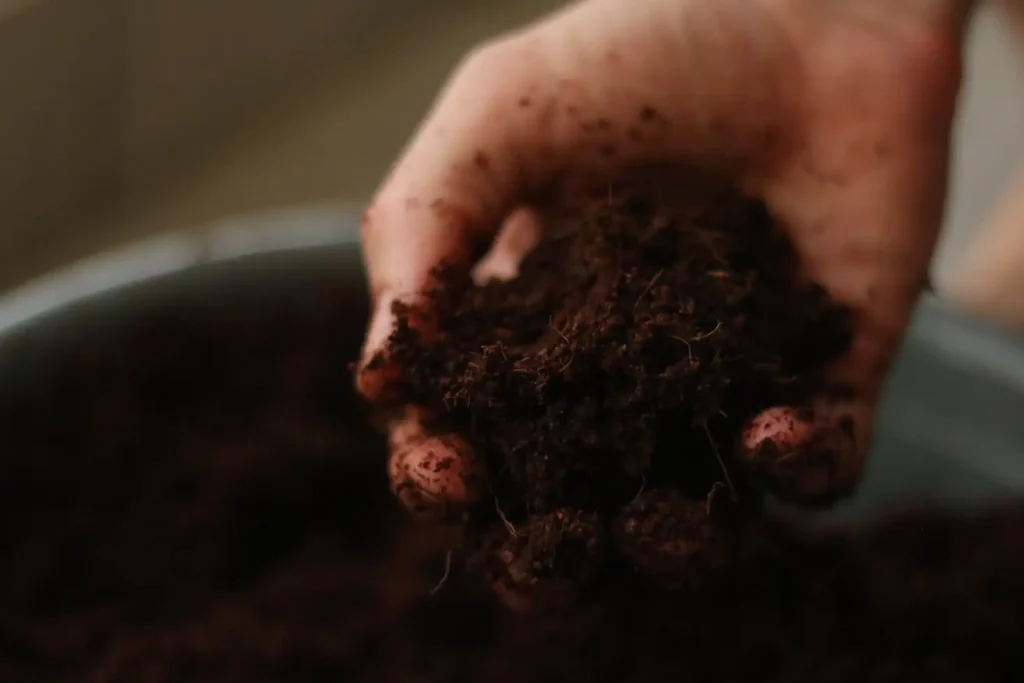
If you’ve ever tried to garden in a wet, waterlogged patch of land, you know the frustration of boggy soil. Plants struggle to grow, puddles linger after rain, and walking across the area often feels like sinking into mud. Yet, with a little understanding and proper management, boggy soil doesn’t have to be a barrier to a beautiful and productive garden. In fact, it can even be turned into a specialized garden area, such as a bog garden, or improved to support conventional plants.
In this article, we’ll explore what boggy soil is, why it occurs, how to identify it, and strategies to manage or improve it. Whether you’re a beginner gardener or an experienced landscaper, this guide will help you navigate the challenges of wet soil and make the most of your land.
What Is Boggy Soil?
Boggy soil refers to soil that is consistently wet or waterlogged, often to the point where it is spongy or soft underfoot. Unlike regular soil, which drains water effectively, boggy soil retains excess moisture. This saturation reduces oxygen availability in the root zone, making it difficult for most plants to thrive.
Key characteristics of boggy soil include the following:
- Poor drainage and water pooling.
- Soft or muddy surface.
- Slow drying after rainfall.
- Presence of moss or algae.
- Acidic, nutrient-poor conditions (in extreme cases).
Boggy soil is common in low-lying areas, near water sources, or in regions with heavy clay soils. Understanding why soil becomes boggy is the first step toward managing it effectively.
Causes of Boggy Soil
Several factors contribute to boggy soil. These can be natural, man-made, or a combination of both.
1. Poor Drainage
Soil with high clay content holds water tightly, preventing it from draining. Clay particles are small and compact, reducing air spaces and causing water to accumulate.
2. High Water Table
Areas with a shallow water table where groundwater is close to the surface remain wet for long periods. Even after rainfall, water cannot percolate down, leading to soggy soil.
3. Heavy Rainfall or Flooding
Excessive rain or repeated flooding saturates soil faster than it can drain. Low-lying areas, valleys, and depressions are particularly vulnerable.
4. Compaction
Foot traffic, construction, or machinery can compact soil, reducing pore space and slowing drainage. Compacted soil often feels dense and muddy when wet.
5. Organic Matter Accumulation
While organic matter generally improves soil, in waterlogged areas, it can accumulate as peat or muck, which retains water excessively, contributing to boggy conditions.
How to Identify Boggy Soil
Recognizing boggy soil early can help you decide whether to improve it, work around it, or create a specialized garden. Look for the following signs:
- Soggy patches: Standing water or mud after rainfall
- Spongy texture: Soil feels springy when you step on it
- Poor plant growth: Grass, flowers, or vegetables struggle to establish
- Moss or algae: Indicative of constant moisture
- Strong odor: Decaying organic matter produces a musty smell
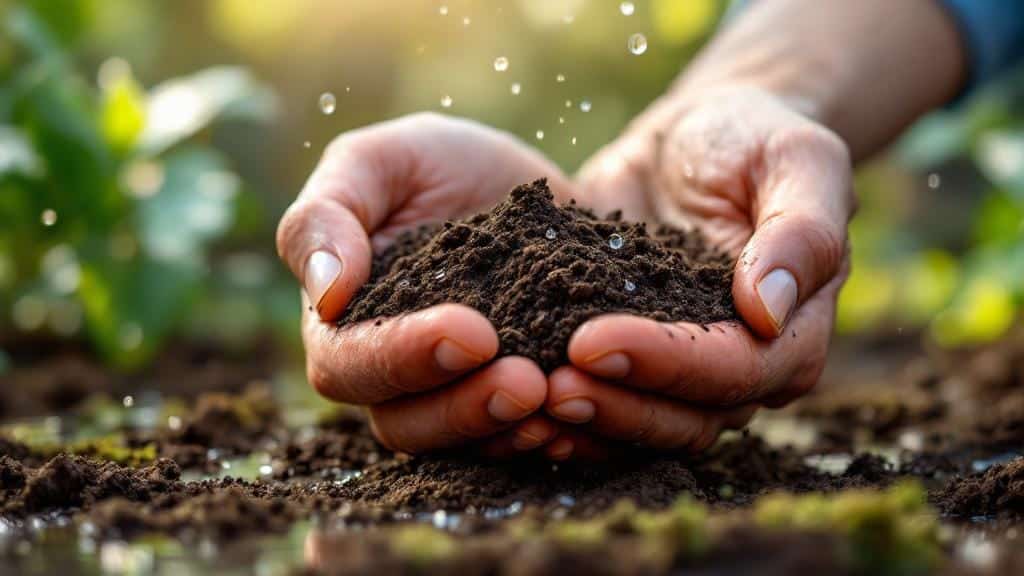
A simple test is the squeeze test: Take a handful of soil and squeeze it. If water drips out and the soil forms a sticky lump, it’s likely boggy.

Types of Boggy Soil
Boggy soil isn’t uniform; it varies depending on composition and location:
- Clay-Dominated Bog Soil: Heavy, sticky, and slow to dry; common in temperate regions.
- Peaty Bog Soil: Rich in organic matter, acidic, and nutrient-poor; supports wetland plants naturally.
- Silty Bog Soil: Fine particles that hold water well; can become compacted and anaerobic easily.
- Artificially Waterlogged Soil: Caused by poor drainage, irrigation issues, or landscape grading problems.
Identifying the type of boggy soil in your garden helps in selecting appropriate plants or soil treatments.
Problems Caused by Boggy Soil
Boggy soil presents several challenges for gardeners:
- Root Rot: Excess moisture deprives roots of oxygen, leading to rot and plant death.
- Poor Germination: Seeds often fail to sprout in saturated soil.
- Pest Problems: Wet soil can attract fungus gnats, slugs, and other moisture-loving pests.
- Nutrient Deficiency: Waterlogged soil may leach nutrients, depriving plants of essential minerals.
- Limited Plant Choices: Many popular garden plants prefer well-drained conditions and cannot survive in boggy areas.
Understanding the balance of oxygen and moisture is critical for plant health. You can find more technical advice on managing plants in wet soils to prevent root rot and nutrient loss.
Gardening Solutions for Boggy Soil
While boggy soil is challenging, it’s not impossible to manage. You can improve drainage, adapt planting choices, or work with the soil’s natural moisture.
1. Improve Drainage
- Raised Beds: Elevate soil above the waterlogged area using raised beds or mounds to provide oxygen-rich soil for plants.
- Soil Amendment: Mix sand, grit, or organic matter into clay soils to improve texture and drainage.
- Drainage Channels or French Drains: Install drainage systems to redirect excess water away from problem areas.
2. Select Moisture-Loving Plants
Some plants thrive in wet conditions, turning boggy soil into an asset. If you are looking for specific garden plant advice for these damp areas, focusing on species that naturally grow in wetlands is the best way to ensure success. Here are some top picks:
- Ferns: Lady fern, royal fern, ostrich fern
- Hostas: Tolerant of wet soil with lush foliage
- Iris: Especially Japanese iris (Iris ensata)
- Astilbe: Adds color and texture to wet spots
- Marsh Marigold (Caltha palustris)
- Willows or Redtwig Dogwood: For larger boggy areas or natural landscaping
3. Create a Bog Garden
Turn a boggy patch into a beautiful wetland-style garden. Add shallow ponds, bog plants, and pathways to make it an attractive and functional feature. If you don’t have a naturally wet area in your yard but still love these unique plants, you can easily create a bog garden in a pot to enjoy moisture-loving species on your patio or balcony.
4. Reduce Compaction
Aerate the soil carefully using a fork or spade. Avoid walking on wet soil to prevent further compaction.
5. Adjust Water Sources
Check irrigation systems, downspouts, and landscape grading. Redirect water to prevent excess saturation in low-lying areas.
Soil Testing and Amendment
Testing your soil helps determine pH, texture, and organic content, guiding how to improve boggy areas:
- pH Adjustment: Most boggy soils are acidic; adding lime can raise pH for certain plants.
- Organic Matter: Incorporating compost improves soil structure, but avoid overloading if the area already has high organic content.
- Sand or Grit: Helps clay soils drain faster. Mix thoroughly to avoid layers that trap water.
Seasonal Care of Boggy Soil
Boggy soil requires ongoing attention:
- Spring: Improve drainage, plant moisture-loving species, and remove debris.
- Summer: Monitor moisture levels and watch for fungal diseases.
- Autumn: Clear fallen leaves, prune wet-area plants, and consider raised beds for frost-prone roots.
- Winter: Avoid walking on frozen boggy soil, which can damage the structure. Mulch to protect sensitive plants.
Long-Term Strategies
- Regrading Land: For extensive waterlogging, regrading can redirect water flow.
- Rain Gardens: Convert boggy areas into rain gardens that capture and slowly release runoff.
- Permanent Wet Gardens: Accept that certain areas will always be wet and plant appropriate species for year-round interest.
By planning carefully, boggy soil can shift from a gardening headache to a unique and attractive landscape feature.
Benefits of Embracing Boggy Soil
While boggy soil is challenging for conventional gardening, it offers opportunities:
- Supports wetland plant species rarely found in other garden areas.
- Attracts frogs, dragonflies, and pollinators, enhancing biodiversity.
- Provides natural water management, reducing runoff and erosion.
- Creates a low-maintenance habitat once appropriate plants are established.
In many ways, working with boggy soil encourages creative, ecologically aware gardening rather than fighting nature.
Working with nature instead of against it can lead to stunning results. Many conservation areas, known as bog parks, serve as perfect examples of how these unique wetland sanctuaries protect biodiversity and offer natural beauty.
Boggy soil may seem like a curse for gardeners, but with the right understanding and approach, it can become a unique asset. By identifying the cause, improving drainage, choosing suitable plants, and considering specialized designs like bog or rain gardens, wet areas can be transformed into lush, thriving landscapes.
Rather than seeing boggy soil as a problem, think of it as an opportunity: a chance to create a garden that celebrates moisture-loving plants, attracts wildlife, and adds texture and diversity to your yard. With patience, planning, and a little ingenuity, boggy soil can be more than just mud; it can be the foundation of a beautiful and functional garden ecosystem.