


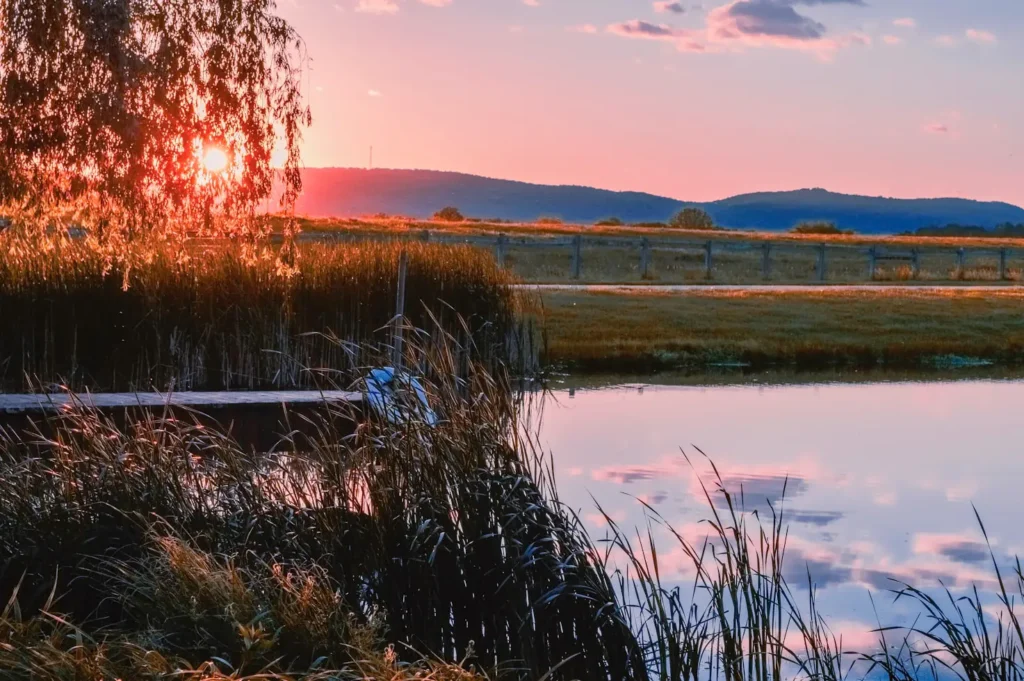
Imagine walking through a landscape where the ground feels springy beneath your feet, moss carpets the earth in vibrant green, and rare plants and insects thrive in watery habitats. Welcome to a bog park, a unique type of wetland preserve that combines ecological importance with opportunities for recreation, education, and conservation. Unlike ordinary parks, bog parks protect delicate ecosystems while allowing humans to experience a rare glimpse of nature in its purest form.
In this article, we explore the ecology, significance, history, and design of bog parks, as well as practical advice for visitors and conservationists. Whether you’re a nature enthusiast, a gardener, or someone interested in environmental stewardship, bog parks are fascinating landscapes worthy of study and preservation.
What Is a Bog?
To understand a bog park, it’s essential to know what a bog is. A bog is a type of wetland ecosystem characterized by waterlogged, acidic soils, low nutrient availability, and peat accumulation. Unlike swamps or marshes, which may support trees and nutrient-rich plant life, bogs are typically dominated by sphagnum moss, sedges, and low shrubs.
Bogs develop in areas with poor drainage where water collects and stagnates, creating oxygen-poor conditions. Over centuries, plant material decomposes slowly, forming peat, a spongy organic layer that stores carbon and supports unique biodiversity. These habitats are critical for maintaining ecological balance, filtering water, and mitigating climate change.
Characteristics of Bog Parks
Bog parks are designed to protect these fragile ecosystems while providing public access. Understanding the unique structure of the bog garden habitat helps visitors appreciate the delicate balance of life within these parks. Some key characteristics include waterlogged soil, peat layers, and specialized flora.
- Waterlogged Soil and Peat Layers
The foundation of a bog park is its wet, acidic soil. Peat layers store water and nutrients, giving the bog its unique spongy feel. - Specialized Flora
Bogs are home to carnivorous plants like sundews and pitcher plants, heathers, cranberries, and a variety of mosses. The acidic, nutrient-poor conditions favor plants that can thrive where others cannot. While these parks preserve vast landscapes, you can bring a piece of this unique environment home by learning how to make a bog garden in a container, perfect for growing pitcher plants on your own patio. - Diverse Fauna
Birds such as sandpipers and warblers, amphibians like frogs and salamanders, and a host of insects, including dragonflies and beetles, are common residents. Many species are rare or endangered, relying on bog habitats for survival. - Boardwalks and Trails
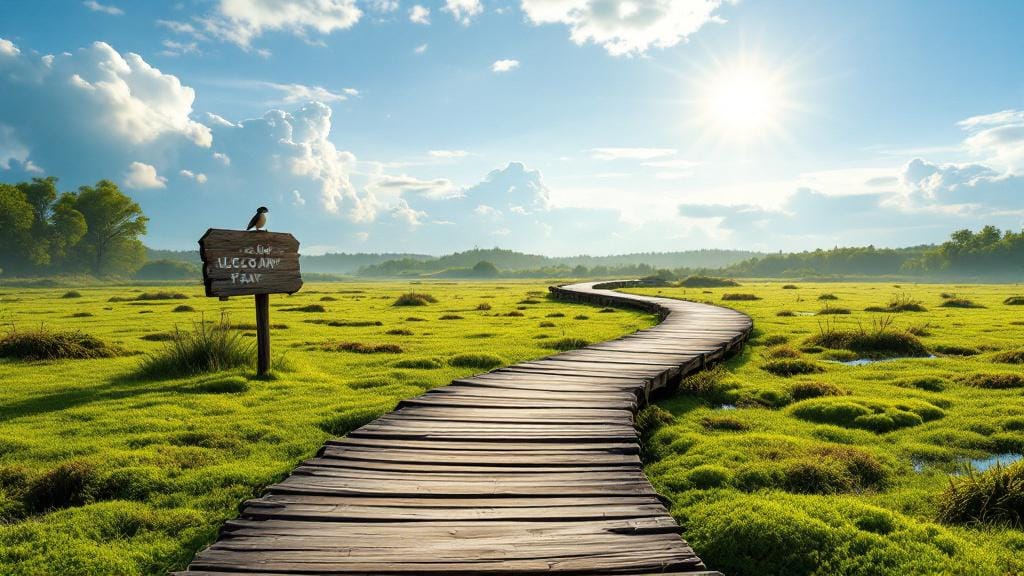
To protect the delicate ecosystem, bog parks often feature elevated boardwalks. These allow visitors to explore without damaging the peat and plant life. - Educational Signage
Bog parks frequently include informational signs and nature centers, teaching visitors about ecology, conservation, and local history.
The Importance of Bog Parks
Bog parks serve multiple ecological and social functions:
1. Conservation of Rare Habitats
Bogs are globally rare ecosystems, and their plant and animal communities are often threatened by development, pollution, or climate change. Protecting bogs through parks preserves biodiversity and safeguards endangered species.
2. Carbon Sequestration
Peatlands, including bogs, store vast amounts of carbon. Maintaining bog parks helps combat climate change by preventing carbon release from disturbed peat layers.
3. Water Filtration
Bogs act as natural filters, removing sediments, nutrients, and pollutants from water. Bog parks near rivers or lakes contribute to cleaner water downstream.
4. Flood Mitigation
The spongy peat layers in bogs absorb rainfall and slowly release it, reducing flooding risks in nearby areas.
5. Recreational and Educational Value
Bog parks offer unique opportunities for birdwatching, photography, hiking, and environmental education. Visitors experience a rare ecosystem up close without causing ecological harm.
Global initiatives like the National Park Service provide deep insights into wetland conservation efforts, showing how protected areas maintain our planet’s ecological health.

Examples of Bog Parks Around the World
Several bog parks around the world showcase the diversity and importance of these habitats:
- The Everglades National Park, USA: While primarily a swamp, it includes bog-like wetland areas with specialized plant communities.
- Rannoch Moor, Scotland: A vast peat bog supporting rare mosses, orchids, and bird species.
- Shenandoah Bog Preserve, Virginia, USA: Small but ecologically rich, preserving carnivorous plants and amphibians.
- Biebrza National Park, Poland: Features bogs, marshes, and meadows that support waterfowl and carnivorous plants.
Each park illustrates different approaches to protecting bog ecosystems while providing visitor access and education.
Planning and Designing a Bog Park
Creating a bog park requires careful planning to balance accessibility, education, and conservation:
1. Site Assessment
Before development, ecologists evaluate soil, hydrology, and biodiversity to determine the park’s ecological sensitivity.
2. Boardwalks and Trails
Elevated pathways are crucial to prevent trampling of mosses and peat. They also guide visitors through the park without disrupting wildlife.
3. Native Plant Restoration
Some bog parks include areas for restoring native plant species, particularly where past human activity has disturbed the ecosystem.
4. Visitor Amenities
Information kiosks, viewing platforms, and nature centers enhance visitor engagement without compromising ecological integrity.
5. Monitoring and Maintenance
Ongoing monitoring of water levels, invasive species, and visitor impact is essential. Management teams often implement controlled access or seasonal closures to protect sensitive areas.
Challenges Facing Bog Parks
Despite their importance, bog parks face several challenges:
- Climate Change: Rising temperatures and altered rainfall patterns can dry bogs, reducing peat accumulation and threatening plant and animal life.
- Invasive Species: Non-native plants and animals can outcompete native species, altering the ecosystem.
- Pollution and Runoff: Nutrient runoff from agriculture or urban areas can disrupt the delicate balance of bog soils.
- Human Impact: Even with boardwalks, excessive foot traffic, litter, and unauthorized off-trail access can damage sensitive habitats.
Addressing these challenges requires education, careful planning, and community engagement.
Visiting a Bog Park: Tips for Responsible Exploration
If you have the opportunity to visit a bog park, here are some tips to ensure your visit is both enjoyable and ecologically responsible:
- Stay on Boardwalks: Avoid trampling plants or peat.
- Observe Wildlife Quietly: Many species are sensitive to disturbance.
- Do Not Pick Plants: Especially carnivorous or rare species.
- Bring a Camera Instead of Collecting Specimens: Photographing allows you to enjoy the beauty without harming it.
- Respect Seasonal Closures: Some areas may close to protect breeding or nesting wildlife.
By following these guidelines, visitors help protect bog ecosystems for future generations.
The Role of Education and Community Engagement
Bog parks are more than natural preserves; they are living classrooms. Schools, universities, and community organizations often collaborate with bog parks to:
- Teach wetland ecology and conservation biology
- Conduct citizen science projects, such as bird counts or water quality monitoring
- Promote volunteer restoration efforts
- Foster awareness about climate change and carbon storage
Engaging communities ensures long-term support for these fragile ecosystems.
Future of Bog Parks
As awareness of wetland conservation grows, bog parks are likely to become increasingly important. Climate change, urbanization, and habitat loss threaten bogs worldwide. By protecting and restoring these areas, societies can:
- Maintain biodiversity
- Preserve carbon-rich soils
- Protect water quality
- Provide recreational and educational opportunities
Emerging technologies, such as remote monitoring of water levels and drone surveys of plant health, can help bog park managers maintain these delicate ecosystems more effectively than ever.
Bog parks are unique, vital landscapes that merge ecological significance with recreational and educational opportunities. These parks protect rare wetland ecosystems, including peat-forming mosses, carnivorous plants, and a host of wildlife, while also offering humans a chance to experience a rare and beautiful natural environment.
Whether through conservation, recreation, or education, bog parks remind us of the intricate connections between water, soil, plants, and animals. They are living laboratories, carbon sinks, flood buffers, and havens of biodiversity all rolled into one. Visiting or supporting a bog park is not just a walk through nature; it’s an investment in preserving one of the Earth’s most unique and sensitive ecosystems.
By valuing bogs and creating spaces where people can connect with these extraordinary landscapes, we ensure that the spongy mosses, rare flowers, and elusive wildlife of wetland ecosystems will continue to thrive for generations to come.