


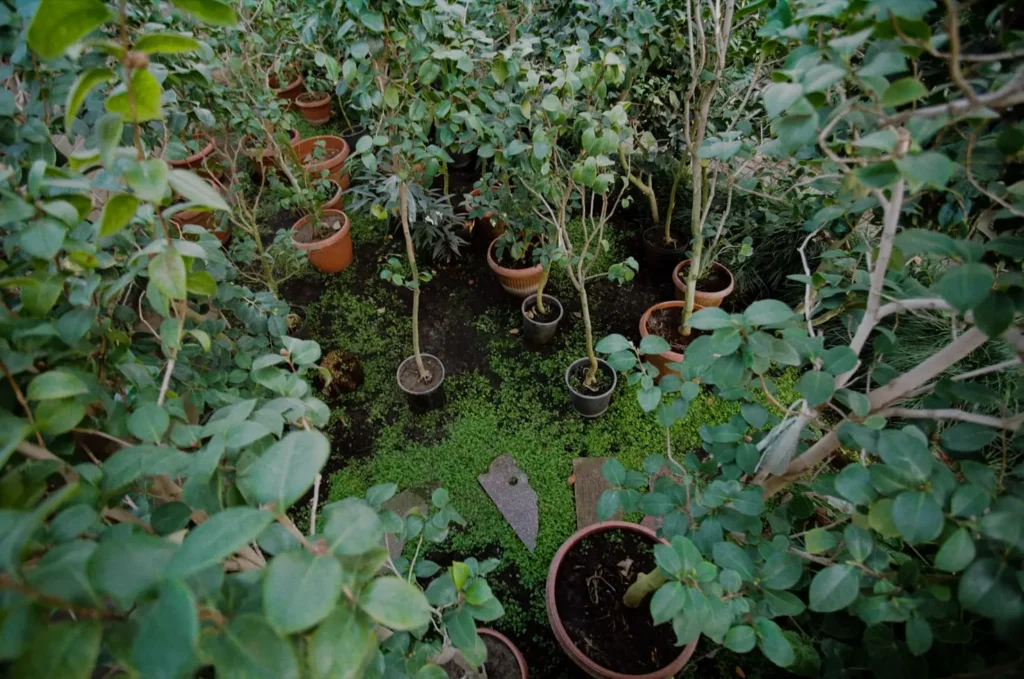
If you’ve ever admired the lush, vibrant look of wetlands, the mosses, sedges, pitcher plants, and irises that thrive in damp soil, you’ll love creating your own bog garden. But what if you don’t have a large, soggy yard or a natural pond? No problem. You can recreate that mini-ecosystem right on your patio, balcony, or small backyard by making a bog garden in a container.
A container bog garden is low-maintenance, space-efficient, and incredibly rewarding. It allows you to grow fascinating plants that love wet roots while also attracting pollinators, frogs, and even dragonflies. In this guide, you’ll learn everything from choosing the right container to selecting plants and maintaining your bog year-round.
What Is a Bog Garden?
A bog garden mimics the natural conditions found at the edges of ponds or wetland areas that stay consistently moist but not flooded. The soil is rich in organic matter but low in nutrients, creating the perfect environment for specialized plants like carnivorous species (pitcher plants, sundews, Venus flytraps), marsh irises, cattails, and ferns.
Creating a small-scale wetland is a rewarding way to bring nature closer. To understand the beauty and science behind these ecosystems, explore our guide on creating and understanding vibrant wetlands for more inspiration
In a container setup, the goal is to maintain constant dampness while preventing the soil from drying out or becoming waterlogged. The result is a beautiful, self-contained ecosystem that thrives in water-retentive soil.
Why Choose a Container Bog Garden?
Creating a container bog has several benefits over a traditional in-ground bog or pond:
- Space Efficiency: Perfect for patios, balconies, or small gardens.
- Control: You can easily manage moisture, soil type, and plant selection.
- Mobility: Containers can be moved to adjust sunlight or overwinter indoors.
- Accessibility: Great for people who want the beauty of a wetland without digging up their yard.
- Biodiversity: Even small bog gardens attract insects, amphibians, and pollinators.
Whether you’re a plant enthusiast or just looking to add a unique feature to your outdoor space, a container bog garden offers endless creative possibilities.
Step 1: Choosing the Right Container
Almost any watertight vessel can be transformed into a bog garden, as long as it’s deep enough to hold soil and water. Ideal containers include:
- Large plastic tubs or half-barrels
- Old sinks or bathtubs (add rustic charm!)
- Whiskey barrels lined with pond liner
- Ceramic planters with sealed drainage holes
- Recycled storage bins (if visually hidden)
Size matters: Choose a container that’s at least 12–18 inches deep and 18–24 inches wide. The depth ensures a stable moisture level and enough space for plant roots.
If your container has drainage holes, seal them using aquarium-safe silicone or pond liner to prevent water from escaping. Alternatively, line the inside with a heavy-duty plastic sheet or pond liner, ensuring it overlaps the edges slightly.
Step 2: Creating the Perfect Bog Mix
Unlike standard potting soil, bog gardens require a nutrient-poor, moisture-retentive substrate. This helps mimic the conditions of natural bogs, where plants have adapted to thrive in acidic, low-nutrient soil.
Classic bog mix recipe:
- 1 part sphagnum peat moss (for acidity and water retention)
- 1 part coarse sand or perlite (for aeration and drainage control)
For carnivorous bogs, avoid fertilizers, compost, or manure, as these can burn delicate roots. For non-carnivorous bogs (like irises or ferns), you can add a small amount of leaf mold or fine compost to enrich the mix.
Preparing the mix:
- Moisten the peat moss before mixing it’s hydrophobic when dry.
- Blend the ingredients until evenly mixed.
- Fill the container about two-thirds full with the mix, leaving room for planting and a small water reservoir.
Step 3: Creating a Water Reservoir (Optional but Helpful)
To maintain consistent moisture, you can design your container with a simple built-in water reservoir:
- Place a 2–3 inch layer of gravel or small pebbles at the bottom.
- Insert a length of PVC pipe (about 1 inch in diameter) vertically down one corner of the container, with the top sticking out above the surface.
- You can use this pipe to pour water directly into the base of the container, keeping the bog evenly moist.
This system helps maintain stable moisture levels and prevents overwatering from the surface.
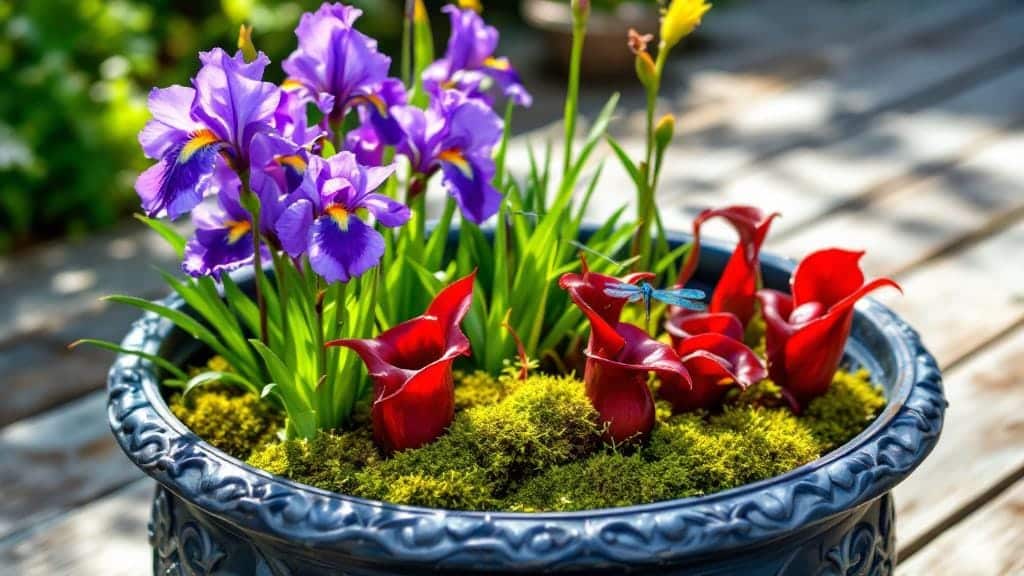

Step 4: Planting Your Bog Garden
Now comes the fun part, choosing and arranging your plants. Before planting, saturate the soil mix thoroughly. Then, select moisture-loving species suited to your light conditions.
Sun-loving plants:
- Pitcher plants (Sarracenia spp.) – Striking, carnivorous plants that trap insects.
- Venus flytraps (Dionaea muscipula) – Best in bright sun and pure rainwater.
- Marsh marigold (Caltha palustris) – Early-blooming yellow flowers.
- Water iris (Iris pseudacorus or Iris laevigata) – Adds structure and color.
- Bog sage (Salvia uliginosa) – Tall spikes of blue flowers loved by pollinators.
Shade-tolerant plants:
- Marsh ferns (Thelypteris palustris)
- Hostas (especially small varieties)
- Primulas (candelabra type)
- Cardinal flower (Lobelia cardinalis)
Following a few essential potting plants tips can make a huge difference in how quickly your bog garden settles. Before you start, ensure your hands or tools are clean to avoid introducing fungi to the nutrient-poor soil. Group taller species toward the center or back of the container to create a natural hierarchy.
Tips for planting:
- Group taller species toward the center or back of the container.
- Use smaller, spreading plants like mosses or sedges around the edges.
- Space plants according to mature size; most bog plants appreciate breathing room.
- Press plants firmly into the soil mix and water gently to settle them in.
For carnivorous setups, avoid mixing them with nutrient-loving species—keep them in their own dedicated bog, as they prefer very poor soil and pure water.
For those interested specifically in ‘nature’s traps,’ you can find expert tips on growing carnivorous plants in bogs to ensure your Venus flytraps and sundews thrive.
Step 5: Watering and Maintenance
The defining feature of a bog garden is consistent moisture. The soil should always feel wet but not submerged. A few key maintenance tips:
Watering:
- Use rainwater, distilled water, or dechlorinated tap water, especially for carnivorous plants, which are sensitive to minerals.
- Keep the water level about 1–2 inches below the soil surface.
- During hot summer days, check daily; in cooler months, reduce watering slightly.
Maintenance:
- Remove dead or yellowing leaves regularly to prevent rot.
- Trim back overgrown plants to maintain balance and airflow.
- In the fall, allow the garden to dry slightly and let plants naturally enter dormancy.
- Refresh the soil mix every 2–3 years to prevent compaction and maintain pH.
If your container bog is outdoors year-round in a cold climate, move it to a sheltered area or insulate it with straw or mulch for winter protection.
Step 6: Attracting Wildlife
One of the joys of having a bog garden is the wildlife it draws. Even in a small container, you’ll likely see:
- Bees and butterflies visit flowering species.
- Frogs and toads are resting in the damp environment.
- Dragonflies hovering nearby.
- Carnivorous plants help with natural pest control.
To encourage wildlife safely:
- Avoid using any pesticides or fertilizers.
- Place small stones or driftwood pieces for insects to perch on.
- If possible, locate your bog near other garden water features or pollinator plants.
Over time, your container bog becomes its own tiny ecosystem, constantly changing, self-regulating, and full of surprises.
Step 7: Seasonal Care and Overwintering
Spring:
- Clean up dead foliage and top up soil if needed.
- Divide overcrowded plants and replant as necessary.
- Begin watering more regularly as temperatures rise.
Summer:
- Monitor water levels closely, as evaporation increases in hot weather.
- Remove algae buildup if it appears on the soil surface.
- Enjoy blooms and growth at their peak.
Autumn:
- Allow plants to naturally die back.
- Reduce watering slightly, but keep the soil moist.
- Move the container to a frost-protected area if it’s not frost-hardy.
Winter:
- Hardy species can usually stay outdoors. If you are looking for the best plants for winter garden settings that can handle the chill, consider evergreen bog species or hardy sedges that maintain their structure even in dormancy. For tropical or tender varieties (like Venus flytraps), overwinter indoors under grow lights or in a cool, bright room.
- For tropical or tender varieties (like Venus flytraps), overwinter indoors under grow lights or in a cool, bright room.
With the right care, your container bog will return every spring, more lush and vibrant than before.
Common Mistakes to Avoid
- Using tap water with high minerals: It can harm carnivorous plants and alter soil acidity.
- Over-fertilizing: Bog plants evolved in nutrient-poor conditions; fertilizer can kill them.
- Let the soil dry out completely: This stresses moisture-loving plants.
- Too much sun for shade species: Check each plant’s light requirement before placement.
- No drainage control: Ensure excess water can be managed, especially after heavy rain.
Avoiding these pitfalls ensures your bog garden thrives beautifully year-round.
A Mini Wetland, Anywhere
A container bog garden is more than just a gardening project; it’s a small-scale ecological masterpiece. In a single pot, you can recreate the charm of wetlands, host rare plant species, and invite local wildlife into your space. Best of all, it’s easy to set up and requires minimal maintenance once established.
Whether you’re drawn by the allure of carnivorous plants, the lush greens of ferns and sedges, or simply the meditative beauty of a miniature wetland, a bog garden in a container offers a unique, ever-changing focal point for any outdoor area.
Start small, stay curious, and watch your little bog evolve into a thriving micro-habitat that connects you to the rhythms of nature one droplet at a time.