
Finding the best soil for container vegetables is the foundation of a productive garden. Unlike traditional gardening, container vegetables rely entirely on the soil mix for nutrients, aeration, and drainage. The right soil mix ensures strong root development and healthy growth. A high-quality mix typically includes compost, coco coir, perlite, and other organic materials that retain moisture while providing excellent airflow. Choosing the right soil for container vegetables not only boosts yields but also minimizes pest and disease problems. With the right preparation, your containers can become mini vegetable farms that produce fresh, healthy, and delicious harvests year-round.
Why Choosing the Right Soil Is the Key to Healthy Container Vegetables
Selecting the right soil for container vegetables is essential because it directly affects water retention, nutrient balance, and root growth. Regular garden soil is often too heavy for containers and can suffocate roots. Instead, a light, airy potting mix designed for container vegetables allows oxygen to reach the roots while holding just enough moisture. The best soil-container-vegetable combination keeps plants hydrated without becoming soggy. By investing in the right soil from the start, you set your vegetables up for faster growth, better flavor, and higher yields, creating a thriving and sustainable container garden.
What Makes the Best Soil Mix for Container Gardening Success
The best soil for container vegetables is one that balances moisture retention and drainage. A high-quality soil mix should contain organic matter like compost, which provides nutrients, and materials such as perlite or vermiculite for aeration. This combination ensures roots can breathe while staying moist. Additionally, the ideal mix should be lightweight, nutrient-rich, and pest-free. Many gardeners find that pre-mixed potting soils labeled for vegetables or herbs perform exceptionally well. Always avoid using pure garden soil, as it becomes compacted in containers. The right soil for container vegetables can make all the difference between success and struggle.
Organic vs. Commercial Soil: Which Is Better for Your Container Vegetables?
When deciding between organic and commercial soil for container vegetables, both have unique benefits. Organic soil is rich in natural nutrients and promotes long-term soil health. It supports beneficial microbes and ensures your vegetables grow chemical-free. Commercial soil, on the other hand, is convenient, pre-mixed, and often fortified with slow-release fertilizers. The best soil container vegetable mix might even combine both, using organic compost with a base of quality commercial potting mix. The goal is to create a balance where your container vegetables receive continuous nutrition, proper drainage, and the ideal environment for healthy, vigorous growth.
The Perfect Soil Ingredients: Compost, Coco Coir, and Perlite Explained
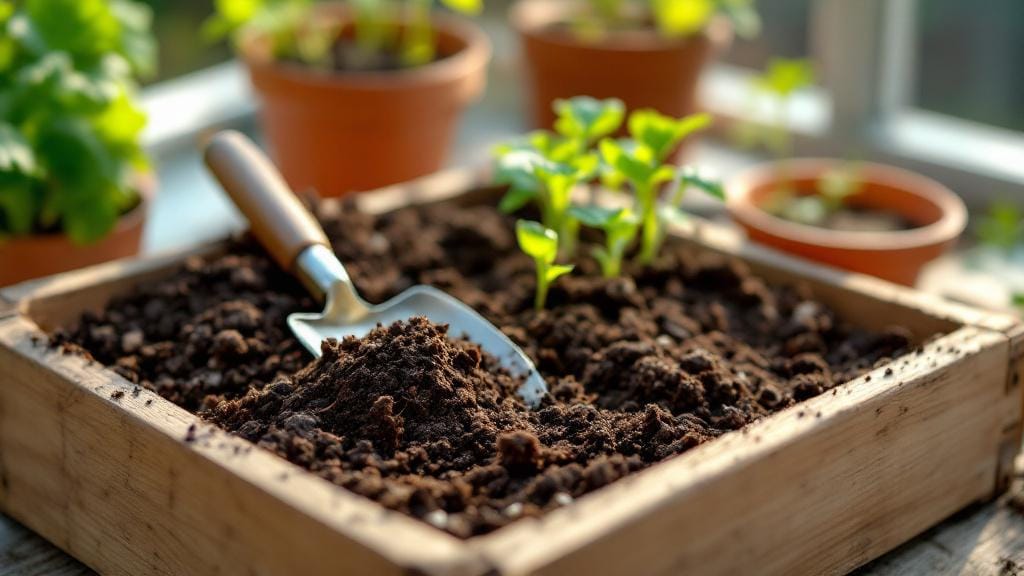
Creating the best soil for container vegetables involves blending key ingredients that work together for optimal growth. Compost adds essential nutrients and improves soil structure. Coco coir, a sustainable alternative to peat moss, enhances moisture retention without waterlogging the soil. Perlite, a lightweight volcanic material, keeps the soil loose and promotes root aeration. When combined, these ingredients form an ideal environment for container vegetables, preventing compaction while maintaining consistent hydration. This balanced mix is what separates thriving gardens from struggling ones. The best soil container vegetable setup is light, nutritious, and drains efficiently to support healthy roots.
How Soil Drainage Can Make or Break Your Container Garden
Good drainage is crucial for container vegetables because waterlogged soil can suffocate roots and cause rot. Even the best soil for container vegetables won’t perform well without proper drainage holes in the container. A quality soil mix should allow excess water to escape easily while holding enough moisture for steady plant growth. To enhance drainage, add materials like perlite, coarse sand, or small stones at the bottom of the pot. Consistent drainage keeps oxygen flowing to the roots and prevents disease. Proper watering combined with the right soil for container vegetables ensures a vibrant, long-lasting harvest.
Common Soil Mistakes That Stop Your Container Vegetables from Growing
Many gardeners unknowingly make soil mistakes that limit the growth of their container vegetables. Using garden soil in pots is the most common error, as it compacts easily and blocks airflow. Overwatering or using soil without proper drainage leads to root rot. Another issue is neglecting to refresh old potting soil, which loses nutrients over time. The best soil for container vegetables must be light, rich in organic matter, and well-draining. Avoid using chemical-heavy soils, as they can harm delicate roots. Correcting these small soil mistakes can dramatically improve your container vegetables’ overall health and productivity.
How to Refresh and Reuse Old Potting Soil for Better Yields
Reusing soil for container vegetables is cost-effective if done correctly. Over time, potting soil loses nutrients and structure, but it can be revived. Begin by removing old roots and debris, then mix in fresh compost or organic fertilizer to replenish nutrients. Adding coco coir or perlite helps restore aeration and moisture balance. Sterilizing old soil under sunlight for a few hours can also eliminate pests or fungi. The refreshed mix will closely resemble the best soil-container vegetable recipe: light, nutrient-rich, and ready for new plants. With care, reused soil can support thriving container vegetables year after year.
pH Levels and Nutrients: The Science Behind Healthy Container Soil
Maintaining the right pH level and nutrient balance in your soil is key to successful container vegetables. Most vegetables prefer a slightly acidic soil, with a pH between 6.0 and 6.8. Testing your soil helps ensure nutrient absorption is optimal. The best soil for container vegetables should contain essential nutrients like nitrogen, phosphorus, and potassium, along with trace minerals. Organic matter, such as compost or worm castings, helps maintain fertility naturally. Monitoring nutrient levels prevents deficiencies that stunt growth. With balanced pH and proper nutrition, your container vegetables will flourish in even the smallest spaces.
DIY Soil Mix Recipe: Create the Best Soil for Container Vegetables at Home
You can easily create the best soil for container vegetables using simple, affordable ingredients. A proven recipe includes 40% compost, 40% coco coir or peat moss, and 20% perlite or vermiculite. Mix thoroughly to achieve a light, fluffy texture that drains well yet retains enough moisture. Add a handful of organic fertilizer for extra nutrients. This DIY mix is ideal for all container vegetables, providing the perfect balance of aeration, fertility, and water retention. Homemade soil mixes are not only cheaper but also customizable, helping you grow healthy and productive plants in any container garden setup.
How Often Should You Replace or Fertilize Your Container Soil?
Even the best soil-container vegetable mix needs maintenance over time. Nutrients deplete as plants grow, so regular fertilization is essential. Use an organic liquid fertilizer or compost tea every 2–4 weeks during the growing season to replenish nutrients. After two or three growing cycles, consider replacing or refreshing the soil completely to maintain quality. Always check for compacted or sour-smelling soil, which indicates poor aeration. By maintaining your soil for container vegetables, you ensure steady growth, strong roots, and higher yields. Consistent care keeps your container vegetables thriving year after year with healthy, nutrient-rich soil. If you want to see how the right soil can produce a massive harvest in a small space, check out our guide on how to grow 50 potatoes in a bucket using these exact container gardening techniques.


