


Many diners wonder: Is Olive Garden authentic Italian food or simply Italian-inspired American cuisine? While Olive Garden offers popular dishes like fettuccine alfredo, lasagna, and chicken parmigiana, these meals are often modified to suit American tastes. Authentic Italian food emphasizes regional ingredients, smaller portions, and simplicity, quite different from Olive Garden’s rich sauces and generous servings. Although Olive Garden is inspired by Italian cuisine, it’s not considered truly authentic by Italian culinary standards. Still, it remains a favorite for many due to its accessibility, comfort, and familiar flavors. So while not “authentic,” Olive Garden offers a version of Italy that Americans enjoy.
Does Olive Garden serve real Italian food? You might want to read this first.
Many diners assume this popular chain delivers a traditional taste of Italy, but the truth is more nuanced. Real Italian cuisine is deeply regional, with dishes crafted from fresh, local ingredients rather than standardized recipes. In contrast, the menu here is adapted for broader appeal, often featuring heavy cream-based sauces, extra garlic, and much larger portions.
While the restaurant serves up comforting meals inspired by the Mediterranean, the dining experience differs greatly from what you’d find in a small trattoria in Rome or Naples. If you are specifically looking for Olive Garden’s authentic Italian food, you might find the Americanized versions quite different from the originals. However, for those who crave familiar flavors with a bit of flair, these hearty dishes still hit the spot.
Is your favorite pasta dish truly Italian or just an American twist?
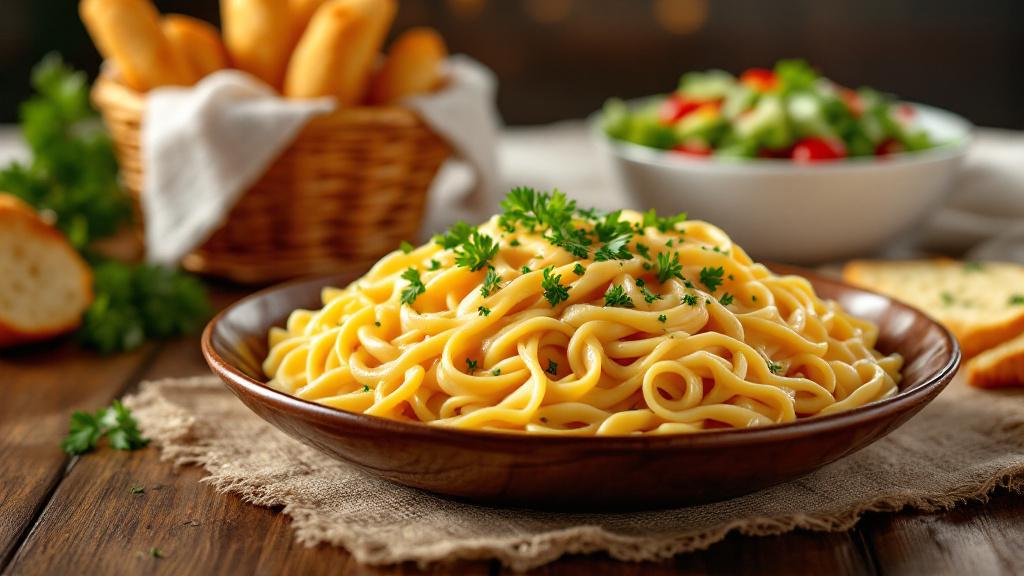
That creamy bowl of fettuccine alfredo from Olive Garden may be delicious, but is it truly Italian food? In Italy, Alfredo is almost nonexistent; pasta dishes are simpler, lighter, and often highlight just a few ingredients. American-style dishes tend to be richer, with added cream and cheese that aren’t traditionally Italian. This adaptation reflects what appeals to U.S. palates more than authentic recipes. While your favorite pasta dish may have Italian roots, it’s likely evolved into something uniquely American over time, and Olive Garden is a major player in shaping that shift.
Olive Garden may feel Italian, but how authentic is the food, really?
Step into Olive Garden, and you’re greeted by Italian décor, Italian-sounding menu items, and Tuscan-themed marketing. But is Olive Garden authentic Italian food or just a themed experience? Italian cooking relies on regional variety, seasonal produce, and simplicity. Olive Garden’s menu, while inspired by Italian dishes, features items like shrimp scampi and chicken alfredo that are more Americanized than traditional. The restaurant’s recipes cater to American expectations, prioritizing consistency and volume. So while it captures the idea of Italian cuisine, the actual food falls short of true authenticity, especially to those familiar with Italy’s diverse food culture.
Grandma’s lasagna vs. Olive Garden’s: How do they compare on authenticity?
There’s nothing quite like a homemade lasagna passed down through generations. Compared to a traditional family recipe, how does the restaurant’s version stack up? Genuine Italian lasagna varies by region and is often crafted with delicate béchamel, fresh pasta sheets, and a light ragù. In contrast, the popular chain’s take on this classic is much heavier, loaded with extra meat and multiple layers of cheese to satisfy hearty appetites.
While delicious, it lacks the subtlety and culinary tradition of the original Mediterranean dish. So, when evaluating the Olive Garden authentic Italian food experience through its lasagna, it feels more like a satisfying American-style comfort meal than a true cultural import. Still, its rich and filling nature is exactly what keeps many diners coming back for more
With menu items like ‘Tour of Italy’ and ‘Chicken Parmigiana,’ the restaurant certainly sounds like a traditional trattoria. But is Olive Garden authentic Italian food or just a result of very clever branding? While these dishes are loosely based on classic recipes from the old country, they have been significantly transformed to meet local American preferences. Heavier cream-based sauces, bold seasonings, and massive portions are the standard here.
This specific dining image is often more about savvy marketing than deep-rooted culinary tradition. That doesn’t mean the quality is lacking—it’s simply a different experience. For those seeking a strictly genuine Mediterranean meal, this might feel a bit modern, but for fans of hearty Italian-American comfort, it delivers exactly what they crave alongside those famous garlic breadsticks.
What Italians really think about Olive Garden might surprise you.
Ask an Italian about Olive Garden, and you might get a polite laugh or an eye roll. To many Italians, the food doesn’t resemble what they eat at home. Authentic Italian food is about quality ingredients, modest portions, and regional pride. Olive Garden, on the other hand, offers a homogenized version of Italian cuisine tailored for American diners. That said, some Italians appreciate that the restaurant introduces others to Italian flavors, even if it’s not quite the real deal. So while the food may not earn a nonna’s approval, it still serves as a cultural gateway for curious eaters.
Olive Garden’s endless breadsticks are iconic, but are they authentically Italian?
Few things say “Olive Garden” like a basket of warm, buttery breadsticks. But do breadsticks like these exist in Italy? Not really. Authentic Italian meals might include grissini, dry, thin, crunchy breadsticks, but they’re usually served plain as a light appetizer. Olive Garden’s soft, garlic-laden sticks are an American invention, designed to please the U.S. palate. It’s another example of how the chain reimagines Italian food for a different audience. So, while beloved, these famous breadsticks are far from authentic — more comfort food than cultural tradition.
From Tuscany to Times Square: How close is Olive Garden to the real deal?
Inspired by the scenic landscapes of Tuscany, the chain aims to bring a slice of the Mediterranean to your neighborhood. But how close is the experience to the real thing? In Italy, meals are slow, simple, and deeply rooted in local tradition. In contrast, this popular restaurant follows an efficient, high-volume approach with a standardized menu designed for consistency. While the overall vibe might nod to European aesthetics, the execution remains distinctly American.
The ingredients, cooking techniques, and even the general dining style differ significantly from traditional standards. So, while the brand borrows heavily from the culture, it is more accurate to describe the Olive Garden’s authentic Italian food experience as themed dining rather than a purely traditional culinary export.
If Olive Garden isn’t authentic, why do so many people think it is?
Olive Garden has done an excellent job branding itself as a gateway to Italy. From Tuscan paintings to Italian-sounding names, it creates a strong illusion of authenticity. For many Americans, it’s their first exposure to dishes labeled “Italian,” so the association sticks. But is Olive Garden authentic Italian food? Not really. The food is a fusion of Italian ideas and American tastes. Still, it’s familiar, flavorful, and satisfying, which is why people continue to associate it with Italian cuisine, even if it’s far removed from what you’d find in Rome or Florence.
Still, it’s familiar, flavorful, and satisfying, which is why people continue to associate it with Italian cuisine. However, for those who want a truly authentic taste, the secret often lies in growing your own fresh herbs and vegetables at home. To keep your organic kitchen garden healthy without harsh chemicals, it’s essential to understand nature’s balance, starting with knowing what eats ants in the garden to protect your crops naturally.
Olive Garden vs. true Italian cuisine: where does the line get drawn?
The debate between Olive Garden and true Italian food comes down to tradition vs. adaptation. Real Italian cooking emphasizes simplicity, quality, and seasonal ingredients. Olive Garden’s dishes are often heavier, more indulgent, and consistent across locations, which is great for business but not necessarily true to form. The line gets drawn when authenticity matters. If you’re after real Italian tradition, Olive Garden might fall short. But if you’re looking for a reliable, Italian-inspired meal with generous portions and comfort, it’s hard to beat. In the end, it’s about expectations and appreciating each for what it is.


