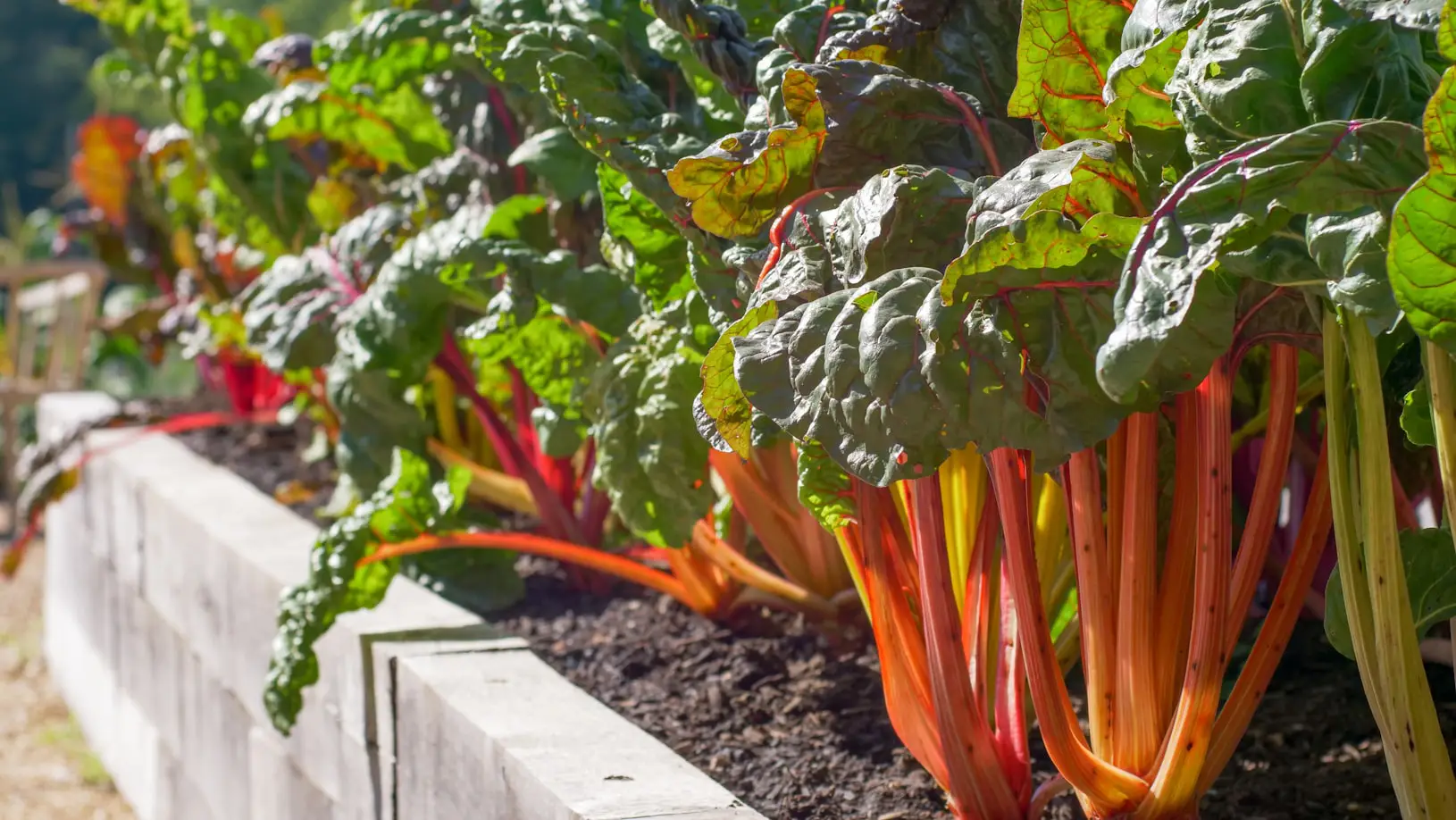

If you’re wondering how deep should a raised garden bed be, you’re not alone. It’s one of the most important decisions when designing your garden layout. The depth of your raised garden bed affects everything—from plant health to drainage and soil quality. While it might seem like a minor detail, getting it wrong can lead to poor plant growth and wasted effort. The good news? You don’t need to guess. This guide will walk you through everything you need to know about depth, whether you’re growing vegetables, herbs, or flowers.
Why Raised Bed Depth Matters More Than You Think
When planning your raised garden bed, depth should never be an afterthought. Plants need room to grow both above and below the soil. Root systems develop downward, so the deeper the soil, the more space roots have to expand. A bed that’s too shallow may stunt growth or cause water retention issues. On the flip side, unnecessarily deep beds can lead to wasted resources. Understanding how deep should a raised garden bed be helps you make smart choices in your garden setup, ensuring plants thrive and maintenance remains easy.
The Ideal Depth for Vegetables, Herbs, and Flowers
So, how deep should a raised garden bed be for common garden plants? A general rule is at least 6 to 12 inches for herbs and shallow-rooted flowers. Leafy greens like lettuce and spinach do well in 8–10 inches of soil. Most vegetables, including tomatoes and peppers, need 12–18 inches of depth. Root vegetables like carrots may need even more. When in doubt, aim for 12 inches as a safe minimum. Matching the depth of your raised garden bed to your plant type ensures healthy roots, better yields, and fewer soil-related issues.
Can Raised Beds Be Too Deep or Too Shallow?
Yes—raised garden beds can be both too deep and too shallow. A shallow bed may dry out quickly, lack nutrients, and prevent root growth. This stresses plants and limits productivity. Conversely, a bed that’s too deep may hold excess moisture or cost more to fill without offering added benefits. The key is balance. Ask yourself, “How deep should a raised garden bed be for what I want to grow?” Tailor the depth to your specific plant types, climate, and soil quality. Smart depth planning saves money and supports optimal plant health.
How Soil Type Affects the Needed Bed Depth
The type of soil under and inside your raised garden bed plays a significant role in deciding how deep it should be. If you’re placing your bed over rich, loose native soil, you can build a shallower bed (6–10 inches) because roots can grow into the ground below. But if you’re installing it over clay, rock, or compacted soil, you’ll need a deeper structure—typically 12–18 inches—to give plants room to root properly. When considering how deep should a raised garden bed be, factor in what lies beneath to ensure long-term plant success.
Raised Garden Beds for Root Vegetables: How Deep is Enough?
Root vegetables like carrots, parsnips, and beets need plenty of space below the surface. So, how deep should a raised garden bed be for these crops? Ideally, at least 12–18 inches, with some varieties needing even more. Shallow beds can cause misshapen or stunted roots, making harvests disappointing. If space allows, go with 18–24 inches for full development. A deeper raised garden bed not only improves root shape but also offers better drainage, which is vital for root crops. Prioritize depth when planning to grow anything that thrives underground.
Depth Guidelines for Raised Beds on Concrete or Hard Surfaces
Building a raised garden bed on concrete, asphalt, or compacted ground means your plants have no access to native soil. So, how deep should a raised garden bed be in this case? The answer is a minimum of 12–18 inches, though 24 inches is ideal for larger plants or vegetables. Because roots can’t penetrate the surface below, all nutrients, water, and support must come from within the bed. Also, consider adding a base layer of drainage material like gravel or sand. Proper depth ensures your plants have enough room to grow strong and healthy.
What Happens If Your Garden Bed Isn’t Deep Enough?
Choosing the wrong depth can negatively affect plant health and yield. If your raised garden bed is too shallow, roots can become crowded and compacted, limiting access to water and nutrients. Plants may become stunted, yellow, or fail to produce fruit. Poor drainage is another issue—shallow beds often dry out quickly or flood easily. Understanding how deep should a raised garden bed be helps prevent these problems. A properly sized bed supports healthy root growth, stabilizes moisture levels, and reduces the chance of disease, giving your plants the best chance to thrive.
Tips to Maximize Growth in Shallow Raised Beds
If your raised garden bed can’t be very deep due to space or material limitations, don’t worry—you can still grow successfully. Choose shallow-rooted plants like herbs, lettuce, or radishes. Improve soil quality by mixing compost and adding organic fertilizers regularly. Mulch well to retain moisture, and water consistently to avoid drying out. Vertical gardening can also help maximize space. When space is tight, smart planning becomes essential. So even if you’re limited in depth, you can still grow a healthy and productive garden by working with what you have.
How to Build Deep Garden Beds Without Wasting Soil
If you’re building a deep raised garden bed, you don’t need to fill it entirely with high-quality soil. Start by filling the bottom third with organic material like branches, straw, or compostable yard waste—this process is called “hugelkultur.” Then, layer on cardboard or newspaper to prevent weeds before adding topsoil and compost. This saves money and improves drainage while still giving plants the soil depth they need. If you’re asking yourself, “How deep should a raised garden bed be without being wasteful?”—this method offers a practical, sustainable solution.


