
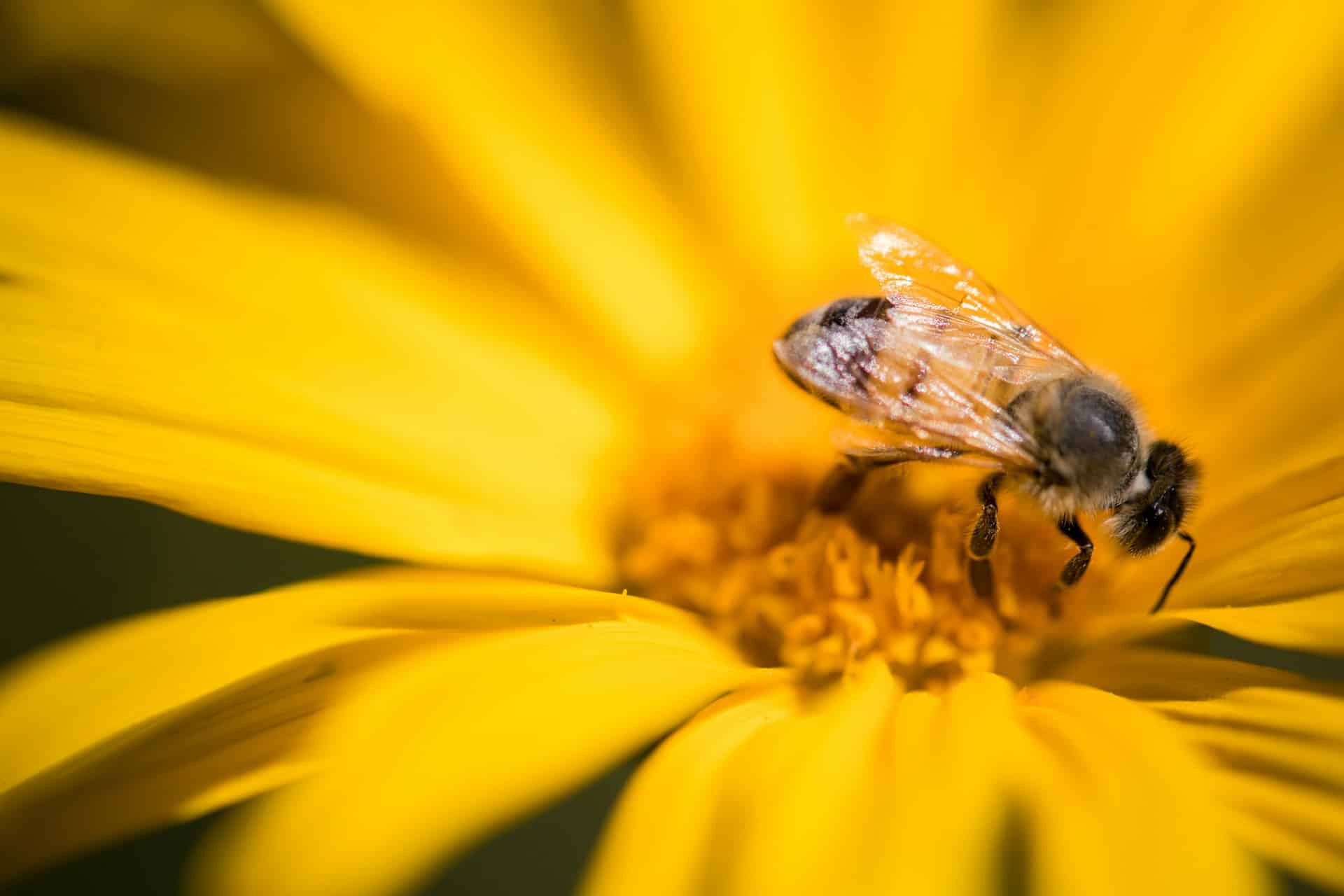

There are several types of bees you can spot in a home garden, including honeybees, bumblebees, carpenter bees, mason bees, leafcutter bees, and sweat bees. Each one looks and behaves differently, and each plays its own part in pollinating your plants.
Sit near a flowering shrub for ten minutes on a warm day, and you will probably see more than one kind of bee at work. Most people call all of them “bees” and leave it there, but knowing who is who tells you a lot about what your garden is doing right, and what it might be missing.
Why It Helps to Tell Bees Apart
There are over 20,000 bee species worldwide, and a single backyard can host a dozen or more across one season. Some live in colonies. Others nest alone in soil or hollow stems. Some stick to one type of flower, others visit anything in bloom.
This matters because different bees respond to different garden setups. A yard that only attracts honeybees might be missing native pollinators that do a better job on crops like tomatoes, squash, and berries.
Honeybees
Golden brown with dark stripes, slightly fuzzy, about half an inch long. Honeybees live in large colonies, either in a managed hive or a wild nest tucked into a tree cavity.
Watch for steady, methodical movement from flower to flower, plus visible pollen packed onto their hind legs. Honeybees tend to stick with one flower type per trip, a habit called flower constancy, which makes them dependable pollinators for orchards and vegetable beds.
Bumblebees
Bigger and rounder than honeybees, with a dense, fuzzy body in black and yellow, sometimes with orange bands. They look almost too round to fly, yet they handle cool, cloudy weather better than most bees.
Bumblebees nest in small colonies, often underground in old rodent burrows or thick grass. They are especially good with tomatoes, peppers, and blueberries thanks to buzz pollination, where they vibrate their flight muscles to shake pollen loose.
Carpenter Bees
Nearly identical to bumblebees at a glance, but check the abdomen: carpenter bees have a shiny, hairless one, while bumblebees are fuzzy all over. Carpenter bees drill clean, round holes into untreated wood to raise their young.
They live alone, not in colonies, and rarely sting. The ones you see hovering near a nest entrance and acting territorial are usually males, which cannot sting at all.
Mason Bees
Small, metallic blue or green, and easy to miss. Mason bees are solitary and nest in narrow tunnels, hollow stems, or the holes of a bee house. They skip honey production entirely and put all their energy into pollination.
A single mason bee can visit thousands of flowers in one day. That makes them valuable for fruit trees like apples and cherries. A tiny metallic bee darting between spring blossoms is likely a mason bee.
Leafcutter Bees
Named for their nesting style: females slice clean, semi-circular pieces from leaves to build their nest cells. Smooth notches missing from rose or redbud leaves are their work, not a pest problem.
Dark colored with pale hair bands, leafcutter bees carry pollen on the underside of the abdomen instead of on their legs, which gives them a distinct look when they land.
Sweat Bees
Small and often metallic green or blue, sometimes mistaken for flies. They land on skin to sip sweat for the salt, which is harmless and rarely leads to a sting.
Sweat bees nest in bare or lightly vegetated soil and visit a wide range of flowers. They are usually among the first bees active in early spring.
How to Tell Bees Apart Fast
- Size and shape: Honeybees and bumblebees are larger and rounder. Mason, leafcutter, and sweat bees are smaller and slimmer.
- Texture: Fuzzy abdomen points to a bumblebee. Shiny, hairless abdomen points to a carpenter bee.
- Pollen spot: Legs mean honeybee or bumblebee. Underside of the abdomen means leafcutter bee.
- Movement: Steady and repetitive suggests a honeybee. Quick and darting suggests a mason bee.
- Nest clues: Round holes in wood mean carpenter bees. Notched leaves mean leafcutter bees. Small holes in bare soil mean sweat or mining bees.
How to Attract More Bee Species to Your Garden
- Plant flowers of different shapes and sizes, since bees have different tongue lengths and preferences.
- Leave a patch of bare soil alone for ground-nesting species.
- Add a simple bee house with hollow tubes for mason and leafcutter bees.
- Skip pesticides during peak bloom, even organic ones.
- Let some clover or dandelions grow for early-season food.
Final Thoughts
A garden buzzing with different bees is a garden doing its job. Honeybees keep pollination steady, bumblebees push through cold snaps, and mason bees work through flowers at record speed. Once you know the signs, a short walk through your garden turns into an easy identification game and a reminder of how much these small insects do for you.
FAQs
What is the easiest way to identify a bee?
Check size, body texture, and where it carries pollen. Fuzzy, round bees differ clearly from small, shiny, or slim ones.
How can I tell a bumblebee from a carpenter bee?
Look at the abdomen. Bumblebees are fuzzy all over. Carpenter bees have a shiny, hairless abdomen.
Do all bees live in hives?
No. Only honeybees and bumblebees form colonies. Most other bee species nest alone in soil or wood.
Are carpenter bees harmful to my garden?
They rarely damage plants. They drill into untreated wood, which can affect fences or eaves over time.
Which bees are best for pollinating vegetables?
Bumblebees and mason bees excel at pollinating tomatoes, peppers, and fruit trees through buzz pollination and speed.


