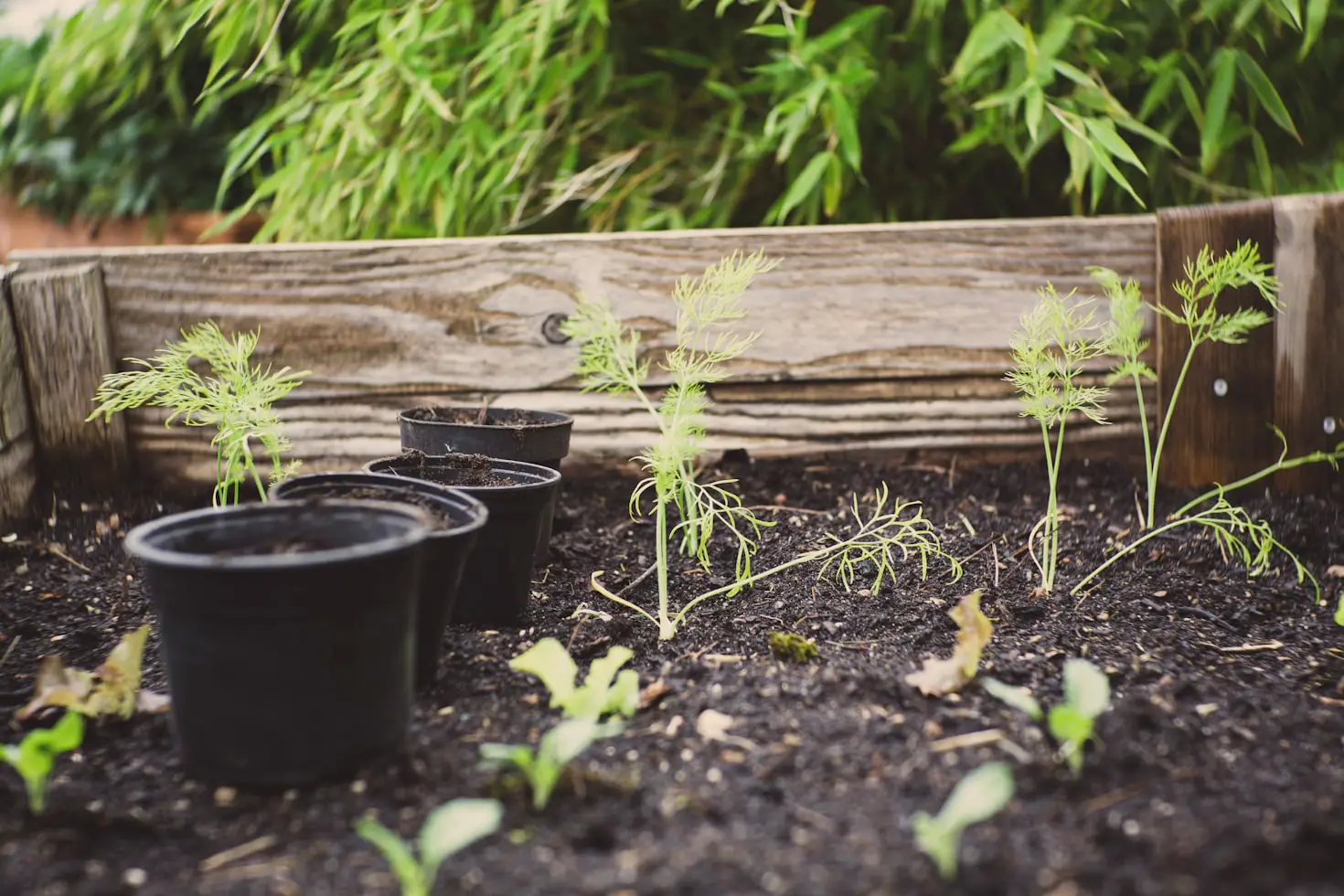

Herb gardens are a delight for gardeners of all skill levels. They offer fresh, fragrant, and flavorful ingredients for cooking, teas, and remedies while adding beauty and aroma to your outdoor or indoor space. Growing an herb garden doesn’t require a large yard, expensive tools, or complicated techniques. With some planning, the right soil, and a little care, you can enjoy a thriving herb garden year-round. This guide will cover everything from choosing herbs to planting, maintenance, and harvesting so you can cultivate a productive and attractive herb garden.
Benefits of Growing Your Own Herb Garden
Before diving into planting, it’s important to understand why herb gardens are so valuable.
- Freshness and Flavor – Fresh herbs are more aromatic and flavorful than store-bought dried versions. Herbs like basil, thyme, and rosemary can elevate the taste of any dish.
- Cost Savings – Growing your own herbs can save money over time, especially for herbs you use frequently.
- Accessibility – Having herbs close at hand encourages you to cook and experiment with new recipes.
- Aesthetics – Herb gardens are visually appealing. Many herbs, like lavender or sage, offer colorful foliage and delicate flowers that attract pollinators.
- Health and Wellness – Herbs contain vitamins, antioxidants, and compounds beneficial for health. Fresh herbs also encourage mindful cooking and eating.
- Sustainability – Growing herbs at home reduces packaging and transportation impacts from store-bought herbs.
Planning Your Herb Garden
Before planting, take time to plan your herb garden. Consider the following:
- Location
Most herbs prefer full sun, which means at least six to eight hours of direct sunlight per day. South-facing windows, patios, or garden beds are ideal. If sunlight is limited, choose herbs that tolerate partial shade, such as mint, parsley, and chives. - Garden Type
Herbs can be grown in a variety of settings:
- In-ground garden beds – Great for larger spaces and a variety of herbs.
- Raised beds – Improve drainage and soil quality while reducing weed growth.
- Container gardens – Perfect for patios, balconies, or small spaces; easy to move herbs as needed.
- Indoor gardens – Window sills or grow lights allow year-round cultivation indoors.
- Soil Requirements
Herbs thrive in well-drained soil with moderate fertility. Heavy, clay soils or waterlogged areas can cause root rot. A good general-purpose potting mix with added compost is ideal for containers, while garden beds may benefit from a mix of garden soil and compost (roughly 1:1). Some Mediterranean herbs like rosemary and thyme prefer sandy, slightly alkaline soils, so adjusting the soil mix can improve their growth. - Herb Selection
Decide which herbs to grow based on your cooking habits, available space, and climate. Herbs can be categorized as follows:
- Tender annuals – Basil, cilantro, dill; grow quickly but are sensitive to frost.
- Perennials – Rosemary, thyme, sage, chives; return year after year with minimal care.
- Biennials – Parsley and some fennel varieties; produce leaves in the first year and flowers in the second.
- Medicinal or aromatic herbs – Lavender, chamomile, lemon balm; provide fragrance and herbal remedies.
Planting Your Herb Garden
Planting herbs properly is essential for healthy growth.
- Starting from Seeds
Many herbs, such as basil, cilantro, and dill, can be grown from seeds. Sow seeds in seed trays or directly into the soil following the recommended spacing on the packet. Keep soil consistently moist until seedlings emerge. Once seedlings have developed two or three sets of true leaves, transplant them into your garden bed or containers. - Starting from Transplants
Some herbs, like rosemary and thyme, grow slowly from seed and are easier to start from small plants purchased at nurseries. When transplanting, space plants according to their mature size: larger herbs like rosemary may need 18–24 inches of space, while smaller herbs like chives can be spaced 6–8 inches apart. - Companion Planting
Herbs can benefit from companion planting with vegetables or flowers. For example, basil planted near tomatoes improves flavor and growth, while marigolds or nasturtiums planted nearby can deter pests. Avoid planting strongly aromatic herbs together in tight spaces, as they may compete for nutrients or affect each other’s flavor.
Watering and Fertilization
Proper water and nutrient management is key to thriving herbs.
- Watering
Herbs generally prefer slightly dry conditions rather than soggy soil. Water deeply but infrequently, allowing the soil to dry slightly between watering. Containers dry out faster than garden beds, so check soil moisture regularly. Overwatering can lead to root rot, particularly in Mediterranean herbs like rosemary and thyme. - Fertilization
Most herbs don’t require heavy feeding. Incorporating compost at planting provides nutrients for several months. For container herbs, a balanced, water-soluble fertilizer applied every four to six weeks can encourage steady growth. Avoid over-fertilizing, as this can result in lush foliage with less flavor.
Pruning and Maintenance
Maintaining an herb garden involves regular pruning, monitoring for pests, and occasional soil care.
- Pruning
Pruning herbs encourages bushier growth and prevents flowering, which can reduce leaf production. Pinch off the tips of herbs like basil and mint regularly. Perennials like rosemary and thyme benefit from annual trimming to maintain shape and prevent woody growth. - Pest Management
Herbs are generally resilient but can be affected by aphids, spider mites, and fungal diseases. Inspect plants regularly and use organic remedies such as neem oil, insecticidal soap, or introducing beneficial insects. Companion planting and good air circulation also help reduce pest problems. - Mulching
Mulching helps retain soil moisture, reduces weeds, and moderates soil temperature. Organic mulches like straw, shredded leaves, or bark work well around herb plants. Avoid covering the crown of the plant directly to prevent rot.
Harvesting Your Herbs
Harvesting is one of the most rewarding aspects of growing an herb garden.
- Frequency – Regular harvesting encourages continuous growth. Pick leaves in the morning when oils are most concentrated.
- Method – Use clean, sharp scissors or garden shears to avoid damaging stems. Snip the top third of the plant rather than pulling leaves, which preserves plant health.
- Storage – Fresh herbs can be stored in a jar with water in the fridge, dried for later use, or frozen in ice cube trays with olive oil.
Harvesting flowers, like chamomile or lavender, at peak bloom maximizes fragrance and flavor.
Special Tips for Container Herb Gardens
If you’re growing herbs in containers, consider these tips for success:
- Choose pots with drainage holes to prevent waterlogging.
- Use lightweight potting soil blended with perlite for aeration.
- Group herbs with similar watering and sun needs together.
- Move pots indoors during frost or extreme heat to extend the growing season.
Indoor Herb Gardening
Indoor herb gardens are perfect for year-round access. Many herbs, such as basil, parsley, and chives, grow well on sunny windowsills. Provide at least six hours of sunlight per day or supplement with LED grow lights. Rotate pots regularly for even growth and ensure proper drainage to prevent root rot. Indoor herb gardening also keeps plants safe from pests and weather extremes.
Designing an Attractive Herb Garden
Herb gardens don’t just serve culinary purposes—they can be beautiful landscape features.
- Raised Beds – Create a structured look while improving soil quality.
- Borders and Edging – Plant low-growing herbs like thyme along edges.
- Vertical Gardening – Use trellises or hanging pots for vining herbs like nasturtium or thyme.
- Color and Texture – Mix foliage textures and flowers, such as lavender with basil, for visual appeal.
Growing an herb garden is a rewarding and accessible endeavor for gardeners of all skill levels. With careful planning, attention to soil, sunlight, water, and regular maintenance, you can cultivate a thriving garden full of fragrant, flavorful herbs. Whether you choose to grow in-ground, in raised beds, or in containers indoors, herbs provide fresh ingredients for cooking, beauty in your outdoor space, and a connection to nature that few other plants can offer. By starting small and expanding over time, anyone can enjoy the satisfaction and sensory pleasures of a homegrown herb garden year-round.


