

If you’ve ever poked a small, gray, armored bug only to watch it instantly roll into a perfect little ball, you’ve met the garden’s famous ‘Pill Bug.’ While these tiny creatures are often seen as harmless or even cute, they can quickly turn from quiet decomposers into hungry intruders. If you’ve started noticing nibbled seedlings or holes in your low-hanging strawberries, it’s time to learn how to get rid of pill bugs in garden beds before they settle in for good.
The challenge is that pill bugs thrive in the same moist, healthy soil that your plants love. Balancing a healthy ecosystem while protecting your tender young sprouts requires a strategic approach. In this guide, we’ll dive into natural, DIY, and long-term methods that show you exactly how to get rid of pill bugs in garden areas without using harsh chemicals. From managing moisture to simple organic traps, here is how you can keep your garden in perfect harmony while keeping these crunchy visitors at bay.
The secret to learning how to get rid of pill bugs in garden spaces is managing moisture; these bugs breathe through gills, so they literally cannot survive in dry environments
Why Are Pill Bugs Invading Your Garden in the First Place?
Pill bugs thrive in moist, dark, and organic-rich environments, conditions commonly found in well-maintained gardens. They feed primarily on decaying plant material, compost, and mulch. If your garden has damp soil, heavy organic matter, or shaded corners, it’s an ideal habitat for them. While they play a beneficial role in breaking down organic waste, their population can surge under the right conditions. Once that happens, they may begin feeding on tender roots and seedlings. To manage them effectively, you first need to understand what draws pill bugs to garden spaces and adjust those conditions accordingly.
Are Pill Bugs Harmful or Helpful? What Every Gardener Should Know
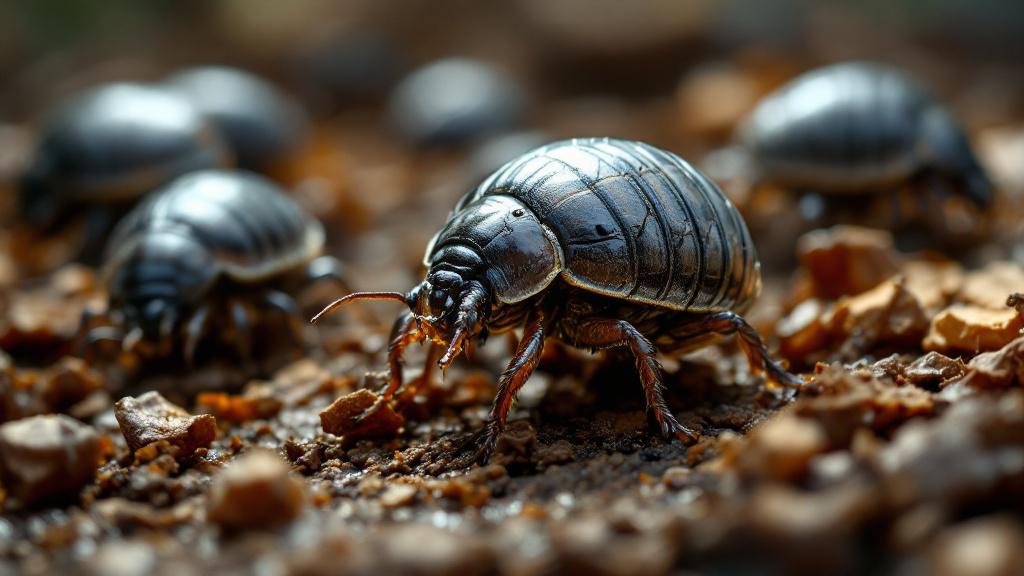
Pill bugs are often misunderstood. In moderate numbers, they’re beneficial decomposers helping to break down organic material and enrich the soil. However, problems arise when their population explodes, or they run out of decaying matter to eat. At that point, pill bugs in garden beds may start feeding on soft plants, fruits, and seedlings. This can lead to wilting, poor growth, and crop loss. So while pill bugs are not inherently harmful, they can quickly become pests under certain conditions. Knowing when they’re friends and when they’re foes is key to deciding when intervention is necessary. Commonly known as woodlice, the Armadillidiidae family is unique because they are crustaceans that have adapted entirely to land.
Signs You Have a Pill Bug Problem And When to Act Fast
Spotting a few pill bugs isn’t necessarily a cause for alarm. However, if you start seeing clusters of them under pots, mulch, or near roots, it’s a warning sign. Key indicators include chewed leaves near the soil line, missing seedlings, or soft fruits with shallow bite marks. You may also notice them inside compost bins or crawling over damp garden debris. If these signs appear consistently, it’s time to take action to get rid of pill bugs in garden beds. Acting early can prevent widespread plant damage and help restore balance to your garden ecosystem. While managing pests is a full-time job for a gardener, sometimes you just need a break from the backyard; if you’re heading out for a meal, you might wonder does Olive Garden has happy hours to save some money while you relax.
Natural Remedies to Get Rid of Pill Bugs Without Damaging Plants
Natural solutions are ideal for eco-conscious gardeners. Sprinkling food-grade diatomaceous earth around the base of plants can deter pill bugs by damaging their exoskeletons. You can also use coffee grounds or crushed eggshells to create dry, uncomfortable surfaces that they’ll avoid. Avoid overwatering and reduce mulch buildup to dry out their preferred habitat. Adding strong-scented herbs like oregano or rosemary nearby may also act as a deterrent. These methods help you get rid of pill bugs in garden beds without harming beneficial insects, pets, or the surrounding environment.
How to Make Your Garden Soil Less Inviting to Pill Bugs
Pill bugs love damp, compacted soil rich in organic debris. To discourage them, focus on soil aeration and improved drainage. Use compost strategically, avoiding spreading thick, wet layers near plant bases. Water in the morning to allow the soil to dry by evening, making it less hospitable. Avoid over-mulching and clean up plant debris promptly. Using raised garden beds can also improve airflow and reduce moisture retention. These small adjustments make your garden less appealing to pill bugs in garden areas while improving overall plant health.
The Best DIY Traps for Catching Pill Bugs Overnight
Trapping is a great way to physically remove pill bugs in garden areas without chemicals. One simple trap involves placing a cut potato (hollowed slightly) face-down in the soil overnight. Pill bugs are attracted to the moisture and will hide inside by morning. Another option is damp newspaper or cardboard laid flat; check it in the morning and dispose of the bugs hiding underneath. Beer traps in shallow containers also work, similar to slug traps. These DIY solutions are affordable, pesticide-free, and effective for reducing their numbers quickly.
Garden Maintenance Tips That Keep Pill Bugs Under Control
Regular upkeep goes a long way in controlling pests like pill bugs. Rake leaves frequently, thin out overgrown areas, and remove wood debris or rotting produce. Don’t let compost piles become too moist or compacted. Elevate pots and garden tools off the ground to reduce hiding spots. Also, avoid letting mulch touch the stems of your plants. A tidy, well-drained garden gives pill bugs fewer places to hide and feed, helping you maintain control. Consistency in garden hygiene is one of the easiest ways to get rid of pill bugs in garden areas long-term.
Which Plants Do Pill Bugs Target, and How to Protect Them
While pill bugs prefer decaying matter, they’ll sometimes nibble on soft, young plants, especially seedlings, strawberries, and root vegetables. Seedlings with tender stems and leaves are most vulnerable. To protect these plants, use collars made from toilet paper rolls or plastic cups around the stems. Raise beds and use mesh covers to keep pests out. Apply deterrents like diatomaceous earth in a circle around vulnerable crops. By protecting targeted plants, you’ll minimize the risk even if pill bugs in garden areas remain moderately active.
Safe Commercial Products to Get Rid of Pill Bugs in Garden Beds
If natural methods aren’t enough, consider low-toxicity commercial options. Iron phosphate-based baits and pellets are often marketed for slugs but are also effective against pill bugs and safe for use around vegetables and pets. Other products may contain spinosad, a natural insecticide that targets soft-bodied insects without harming beneficial organisms. Always read labels to ensure garden safety. Applying these products strategically only in areas with clear infestation helps you get rid of pill bugs in garden beds while maintaining ecological balance.
How to Prevent Pill Bugs From Coming Back: Long-Term Solutions That Work
Long-term prevention requires consistent moisture control, smart planting, and seasonal cleanups. Rotate crops to avoid repeated infestation, and avoid over-fertilizing, which can encourage lush growth that attracts pill bugs. Consider planting pest-repelling herbs around the garden’s edge. Keep compost and mulch well-managed, and raise garden beds where possible. Monitor regularly during wet seasons when populations spike. These long-term tactics ensure that once you get rid of pill bugs in garden zones, they don’t return in large numbers to cause future issues.


