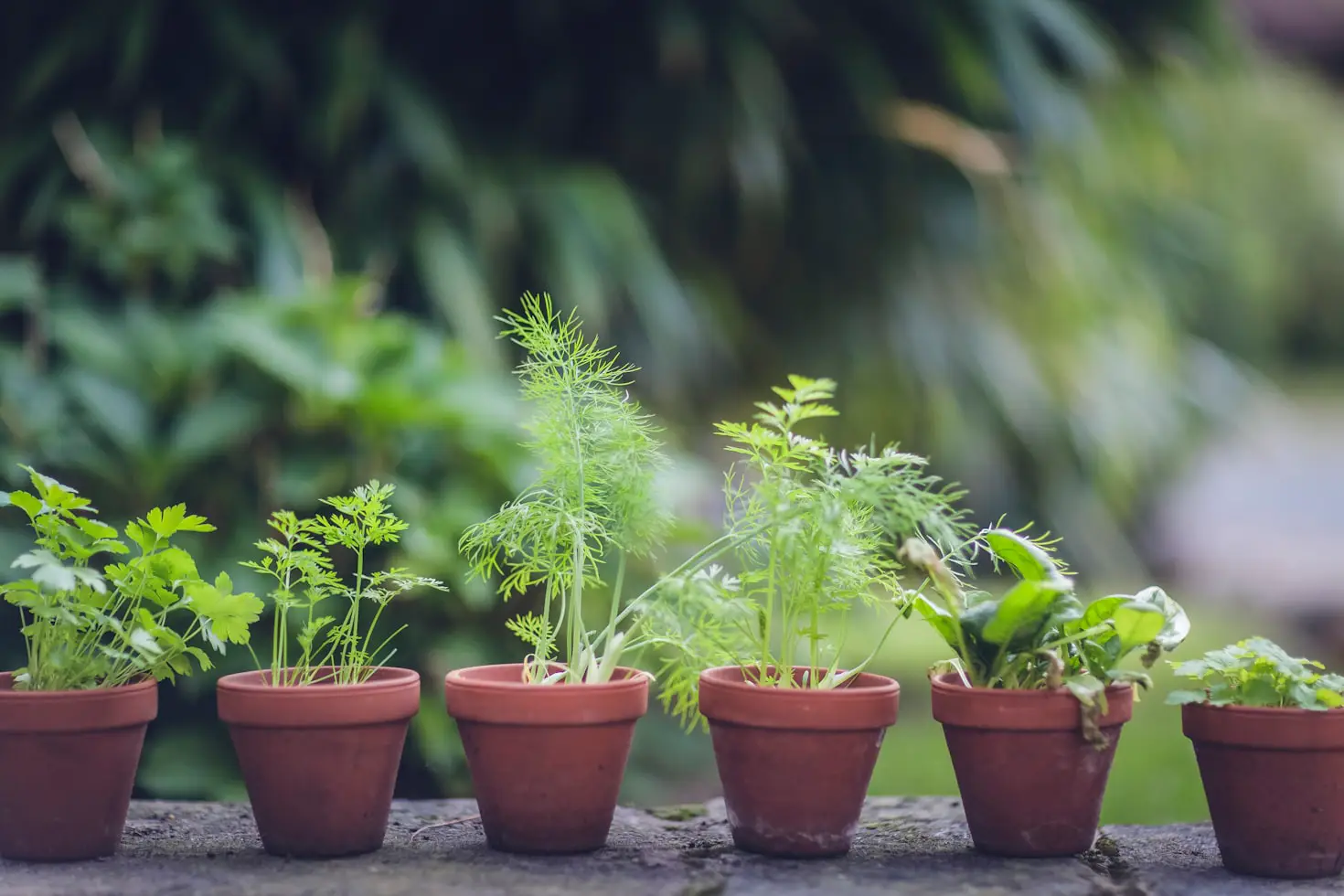

Herb gardens are a wonderful addition to any home, offering fresh flavors for cooking, natural remedies, and aromatic beauty. Whether you want a small container garden on a balcony or a full backyard herb plot, understanding the cost of starting and maintaining a herb garden is essential. Costs can vary widely depending on the size of the garden, the type of plants, materials, and level of care you desire. This guide will break down the expenses associated with herb gardens and provide tips for keeping costs reasonable without sacrificing quality or enjoyment.
Factors That Affect the Cost of a Herb Garden
Several factors influence the overall gardening cost of a herb garden, including how you choose to set up your space. Whether you are looking for a budget-friendly DIY project or a more elaborate setup, understanding these variables will help you plan effectively.
Size of the Garden
The larger the garden, the higher the cost. A small container garden with 3–5 herbs can cost as little as $30–$50, while a full backyard raised bed with 20 or more plants could exceed $300–$500. Larger gardens require more soil, more plants, and often additional infrastructure like raised beds, trellises, or irrigation systems.
Type of Herbs
The type of herbs you choose can affect cost. Common culinary herbs like basil, parsley, and mint are inexpensive and readily available, while exotic or perennial herbs such as saffron, lemon verbena, or thyme may be more expensive. Starter plants are usually cheaper than buying mature plants, but seed varieties can save money if you are willing to wait for growth.
Growing Medium and Containers
Whether you plant directly in the ground, raised beds, or containers, your costs will vary. Soil, compost, and fertilizers are recurring expenses, while planters, raised beds, and other containers are one-time investments. High-quality pots, self-watering containers, or decorative planters will add to the initial cost.
Tools and Equipment
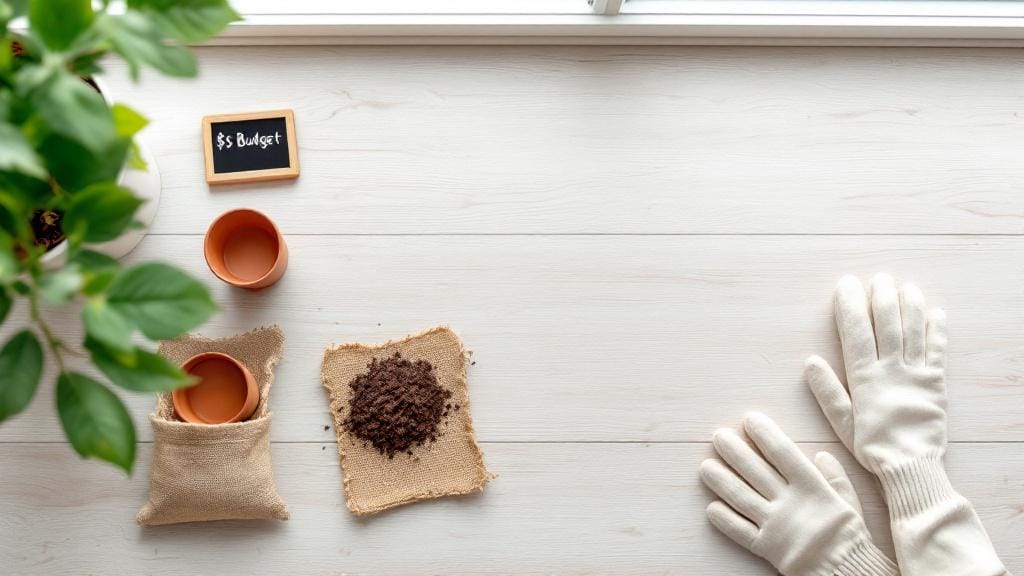
Gardening tools such as trowels, pruning shears, watering cans, gloves, and soil scoops are essential. You may already have some, but if starting from scratch, expect to spend $50–$150 on basic gardening tools. Specialized equipment like drip irrigation systems or garden benches will further increase costs. Starting from scratch requires some basic gear. You can check this list of essential gardening tools and equipment to see which items are necessary for your budget.
Location and Climate
Growing herbs indoors under grow lights will add electricity costs, while outdoor gardens may require fencing, shade cloths, or protective structures, depending on your climate. Access to local nurseries and garden centers can also influence cost due to transportation or plant pricing.
Maintenance Costs
Herb gardens require ongoing maintenance, including watering, fertilizing, pest management, and pruning. While these costs are typically low, they add up over time. Organic fertilizers or pest deterrents may cost $10–$30 per season, depending on the size of the garden.
Initial Costs of a Herb Garden
Seeds or Starter Plants
Seeds are usually the most cost-effective way to start a herb garden. A packet of seeds often costs between $2–$5 and can yield dozens of plants. Starter plants (young herbs grown in small pots) are more convenient but more expensive, usually $3–$7 per plant for common varieties. Specialty or perennial herbs can cost $8–$15 each.
Soil and Fertilizers
Good soil is crucial for healthy herbs. Raised bed soil mixtures or high-quality potting soil typically cost $15–$30 per 2 cubic feet bag. Adding compost improves soil fertility and structure, which can cost around $10–$20 per bag. Fertilizers vary by type: organic granular fertilizers may cost $15–$25, while liquid fertilizers are usually $10–$20 per bottle.
Containers and Raised Beds
If you’re planting in containers, expect to spend $10–$50 per pot, depending on size and material. Raised beds vary greatly: a small 4×4-foot wooden bed may cost $50–$100 in materials, while premium cedar or composite beds can reach $200 or more. DIY options using reclaimed wood or bricks can lower costs.
To save money on pots, you can group multiple plants in one large container. Learn what herbs can be planted together in a pot to maximize your space and budget.
Tools and Accessories
Basic gardening tools include:
Trowel: $10–$20
Pruning shears: $15–$30
Watering can: $10–$25
Gloves: $5–$15
Additional accessories like trellises, plant markers, or irrigation systems may cost $20–$100, depending on complexity.
Estimated Initial Investment
For a small, container-based herb garden:
Seeds or starter plants: $20
Soil and compost: $30
Containers: $40
Tools: $50 (assuming some tools are reusable)
Total: ~$140
For a larger backyard raised bed garden with 15–20 plants:
Seeds or starter plants: $80
Soil and compost: $60–$100
Raised bed materials: $100–$250
Tools and accessories: $75–$150
Total: ~$315–$580
Ongoing Maintenance Costs
Herbs are generally low-maintenance, but ongoing care is necessary to keep them thriving.
Watering
Watering costs depend on your climate and whether you use a hose, drip irrigation, or watering cans. A simple hose system has minimal cost, while drip irrigation may cost $20–$50 initially but saves water over time.
Fertilizing
Fertilizing 2–3 times a season with organic or slow-release fertilizer may cost $10–$30 per season, depending on garden size.
Pest Management
Herbs can attract pests such as aphids, slugs, and spider mites. Organic sprays or natural deterrents may cost $5–$20 per season. Companion planting and preventive care can reduce expenses.
Replacing Plants
Some annual herbs like basil or cilantro will need replacement each year, costing $5–$20 depending on quantity. Perennial herbs like rosemary, thyme, or sage are longer-lasting but may require occasional pruning or propagation to maintain productivity.
Miscellaneous Costs
Mulching, plant labels, and seasonal garden improvements may add $10–$30 per year.
Estimated Annual Maintenance Costs
Small container garden: $20–$50 per year
Medium backyard garden: $50–$100 per year
Large herb garden with specialty plants: $100–$200 per year
Cost-Saving Tips for Herb Gardens
Grow from seeds: Seeds are far cheaper than starter plants, though they require patience.
Use recycled containers: Old pots, buckets, or wooden crates can serve as cost-effective planters.
DIY raised beds: Use reclaimed wood, pallets, or bricks instead of buying pre-made kits.
Compost at home: Homemade compost reduces the need for commercial fertilizers and improves soil quality.
Start small: Begin with a few essential herbs and expand gradually.
Propagate herbs: Many herbs, like mint, rosemary, and thyme, can be propagated from cuttings, reducing the need to buy new plants.
Seasonal purchasing: Buy plants or seeds at the start of the growing season for lower prices.
Factors That Influence Long-Term Costs
Perennials vs. annuals: Perennials have higher upfront costs but lower replacement costs.
Garden design: Complex layouts or decorative elements increase initial expenses.
Location: Local plant nurseries may offer lower prices than big-box stores, and community seed exchanges are an affordable option.
Organic vs. conventional: Organic fertilizers and pest control may cost more upfront, but can improve soil health over time.
The cost of a herb garden can vary widely depending on size, plant selection, materials, and maintenance. A small container garden can be started for under $150, while a larger backyard raised bed setup may cost $300–$600 initially. Ongoing maintenance costs are relatively low, typically $20–$200 per year, depending on the garden’s complexity.
Herb gardens offer more than just monetary value; they provide fresh, flavorful ingredients, natural remedies, and aesthetic beauty to your home. By carefully planning your garden, choosing the right herbs, and utilizing cost-saving strategies, you can create a thriving herb garden that fits your budget. Whether you start small with a few pots on a balcony or invest in a full backyard herb bed, the rewards of growing your own herbs are well worth the investment.


