
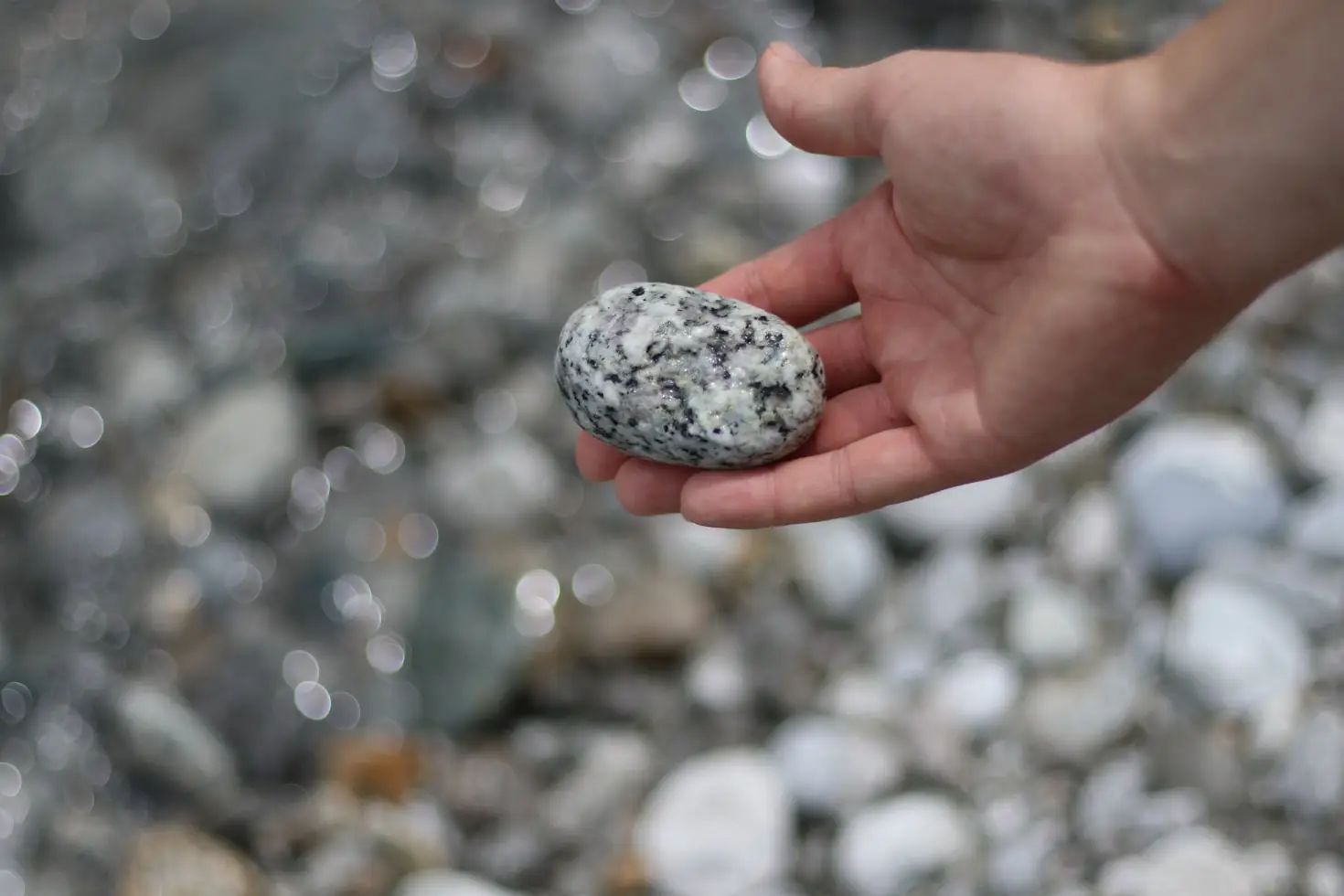

Big rocks, also called landscape boulders, are one of the most dramatic and timeless ways to add natural beauty to your outdoor spaces. Whether used as focal points, borders, or structural accents, large stones create texture, contrast, and a sense of permanence that smaller materials can’t match. But before you start transforming your yard, it’s important to understand the costs involved.
Prices for big rocks vary widely based on size, type, location, and delivery needs. This guide will break down the average cost of large landscape rocks, explain the factors that affect pricing, and offer practical tips for budgeting and installation.
What Are “Big Rocks” in Landscaping?
In landscaping, “big rocks” typically refer to boulders, stones larger than 10 inches in diameter and often weighing hundreds or even thousands of pounds. Boulders come in a range of sizes and types, including granite, limestone, sandstone, fieldstone, basalt, and lava rock.
These rocks are often used for:
- Accent features or focal points in gardens
- Retaining walls and borders
- Erosion control on slopes
- Seating stones and natural benches
- Water features such as ponds or waterfalls
- Decorative groupings in rock gardens to create a natural mountain-like look.
Because each rock is unique, pricing can differ greatly, even within the same type of stone.
Average Cost of Big Rocks
The cost of large rocks depends on size, weight, and material. Here’s a general breakdown of what you might expect to pay:
- Small boulders (under 1 ft): $40–$100 each
- Medium boulders (1–2 ft): $100–$250 each
- Large boulders (2–3 ft): $250–$600 each
- Extra-large boulders (3–5 ft or more): $600–$1,500+ each
When priced by weight, large rocks typically cost $100 to $600 per ton, though premium or imported stones can exceed $1,000 per ton.
For landscaping projects measured by area rather than piece, boulders can range from $200 to $1,200 per cubic yard.
Extra-large boulders can exceed $1,500 each, depending on their rarity. If you’re looking for smaller stones or gravel to complement these big pieces, check out our guide on how much do landscaping rocks cost in 2025 for a full price breakdown.
Common Types of Large Rocks and Their Prices
Different types of stone vary not only in color and texture but also in density and cost.
1. Granite Boulders
Granite is one of the most durable and visually striking stones available. It’s often gray, pink, or speckled, making it ideal for focal points. Because it’s heavy and hard to quarry, it’s on the higher end of the price scale.
Typical cost: $150–$600 per ton
2. Limestone Boulders
Limestone has a softer texture and a natural, weathered look. It’s easier to cut and shape, making it popular for borders and retaining walls.
Typical cost: $80–$300 per ton
3. Sandstone Boulders
Known for warm, earthy tones ranging from tan to red, sandstone adds a rustic, desert-style appeal. However, it’s softer than granite and may erode over time in harsh climates.
Typical cost: $100–$400 per ton
4. Fieldstone Boulders
“Fieldstone” refers to naturally weathered rocks collected from fields or hillsides. They often have irregular shapes and a mix of colors, giving a natural, rugged look to landscapes.
Typical cost: $100–$350 per ton
5. Basalt Boulders
Basalt, a volcanic rock, is dense, dark, and strikingly textured. It’s often used for modern or minimalist landscapes.
Typical cost: $200–$800 per ton
6. Lava Rock Boulders
Lava rocks are lightweight, porous, and deep red or black. While they’re visually bold, they’re less dense and may chip if handled roughly.
Typical cost: $150–$400 per ton
Factors That Affect the Cost of Big Rocks
While the stone type is the most obvious cost factor, several other elements determine how much you’ll ultimately spend.
1. Size and Weight
Larger rocks require more effort to quarry, transport, and install. Prices increase exponentially as size grows. For instance, a 200-pound stone might cost $150, while a 2,000-pound boulder could cost $1,000 or more.
2. Rarity and Origin
Locally sourced rocks are cheaper because they don’t require long-distance transport. Imported or rare stones, like polished granite or colored basalt, can cost significantly more due to shipping and availability.
3. Shape and Finish
Naturally rounded or weathered boulders often cost more than rough, irregular ones because they are hand-selected for aesthetics. Some stones may also be cut or polished, adding to the price.
4. Delivery and Transport
Because big rocks are extremely heavy, delivery is a major factor. Trucking fees typically range from $50 to $200, but long distances or difficult access can raise that to $300 or more. Some suppliers charge by weight or by the hour for delivery.
5. Placement and Installation
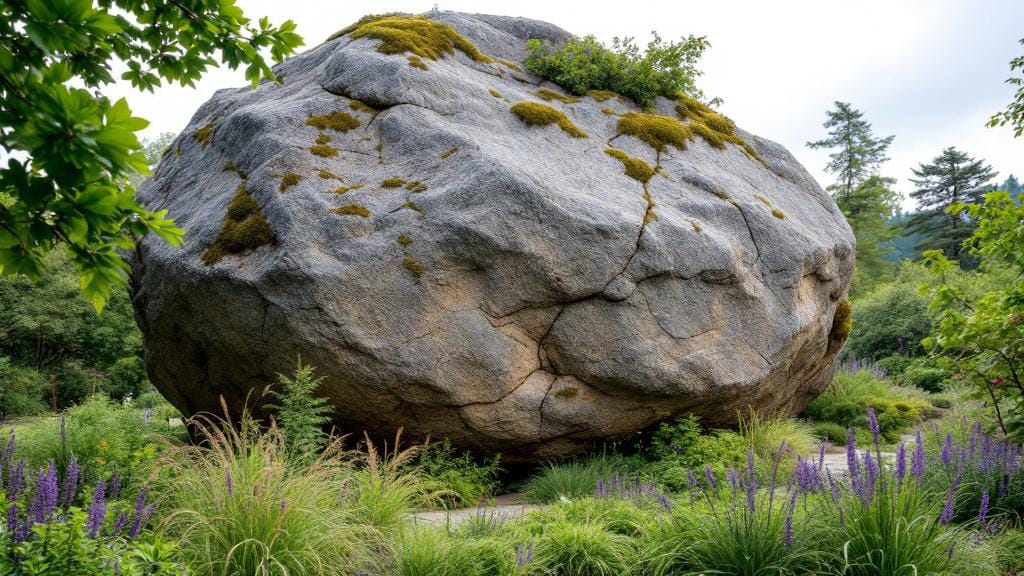
Moving and setting large rocks often requires specialized equipment such as cranes, skid steers, or forklifts. Professional installation may cost between $50 and $200 per hour, depending on the project’s complexity. For multi-boulder installations, total labor can easily exceed $1,000. Moving and setting large rocks requires specialized heavy earthmoving equipment such as cranes or skid steers. Professional installation ensures these massive stones are positioned safely and securely.
6. Location and Terrain
The layout of your property can influence costs. Flat, easily accessible areas are cheaper to work with than steep or confined spaces. In hard-to-reach backyards, landscapers may need to use heavy machinery or even cranes to position boulders safely.
Cost by Project Type
How you plan to use your boulders will affect your total investment.
- Accent rocks or decorative boulders: $100–$600 each for a few medium pieces
- Rock walls or borders: $300–$1,000 for small retaining structures
- Water features: $500–$3,000 depending on size and rock type
- Creating professional rock gardens or dry creek beds: $400–$1,200 total, depending on design complexity and the type of boulders used. If you are looking for creative garden ideas with big rocks, consider mixing different stone sizes with drought-tolerant plants to create a low-maintenance, high-impact landscape feature.
- Erosion control or slope stabilization: $50–$100 per linear foot installed
How to Estimate Total Cost
To plan your project accurately, consider the following:
- Determine how many rocks or tons you need.
Most suppliers sell by ton or piece. Measure the area where you plan to place the rocks, and consider spacing and visual balance. - Add delivery charges.
Even local delivery can cost $50–$150, depending on distance and load size. - Include installation costs.
If you’re hiring professionals, expect to pay $75–$200 per hour for heavy equipment and labor. - Account for preparation.
Excavating, leveling, or creating a base for your rocks adds another $100–$500, depending on the project’s size. - Round up for contingencies.
Always budget an extra 10–20% for unforeseen costs like broken rocks, access challenges, or added equipment rental.
Example:
If you buy three medium granite boulders at $250 each, it equals $750
Delivery = $100
Labor and equipment (2 hours) = $300
Estimated total: $1,150
DIY vs. Professional Installation
If you’re physically capable and have access to the right tools, installing small to medium boulders can be a manageable DIY project. However, for rocks larger than 200 pounds, it’s often safer to hire professionals.
DIY Pros:
- Saves money on labor
- Allows complete design control
- Great for small or moderate-sized rocks
DIY Cons:
- Heavy lifting and risk of injury
- Requires equipment like dollies or straps
- Difficult to achieve precise placement
Professional Installation Pros:
- Safe handling of large stones
- Precision placement for aesthetic effect
- Expertise in grading, leveling, and stability
Professional Installation Cons:
- Higher overall project cost
- Less flexibility if you want to reposition rocks later
In most cases, hiring professionals is the better choice for projects involving very large or multiple boulders.
Tips for Saving Money on Big Rocks
- Buy locally. Local quarries often sell bulk boulders at lower prices than retail garden centers.
- Choose irregular shapes. Uneven or natural stones cost less than perfectly rounded or polished pieces.
- Use fewer but larger rocks. A few strategically placed boulders can make a big visual impact without needing many smaller ones.
- Plan. Combining rock deliveries with other landscape materials (like gravel or soil) can reduce transport costs.
- Install during the off-season. Landscapers may offer discounts in late fall or winter when demand is lower.
- Check construction sites or farms. Some landowners give away rocks removed during excavation or grading projects.
Maintenance and Longevity
Big rocks are nearly maintenance-free once installed. They won’t rot, fade, or blow away, and they can withstand decades of weather exposure. Occasionally, you may need to:
- Rinse off dirt or moss buildup with a garden hose.
- Reposition rocks that shift slightly over time
- Remove weeds growing in crevices
Otherwise, they require virtually no upkeep, making them a long-term investment in your landscape’s beauty.
Big rocks bring a sense of strength and natural artistry to any outdoor design. While they can be expensive, ranging from $100 for small boulders to over $1,500 for extra-large pieces, their visual impact and durability make them worth the investment.
Understanding the cost factors, including size, material, delivery, and installation, helps you plan a realistic budget. Whether you want a single statement rock in your garden or an entire boulder-lined retaining wall, careful planning ensures you achieve the look you want without surprises.
With smart sourcing and thoughtful placement, large rocks can transform your yard into a timeless landscape that blends elegance, structure, and natural beauty, all while lasting a lifetime.


