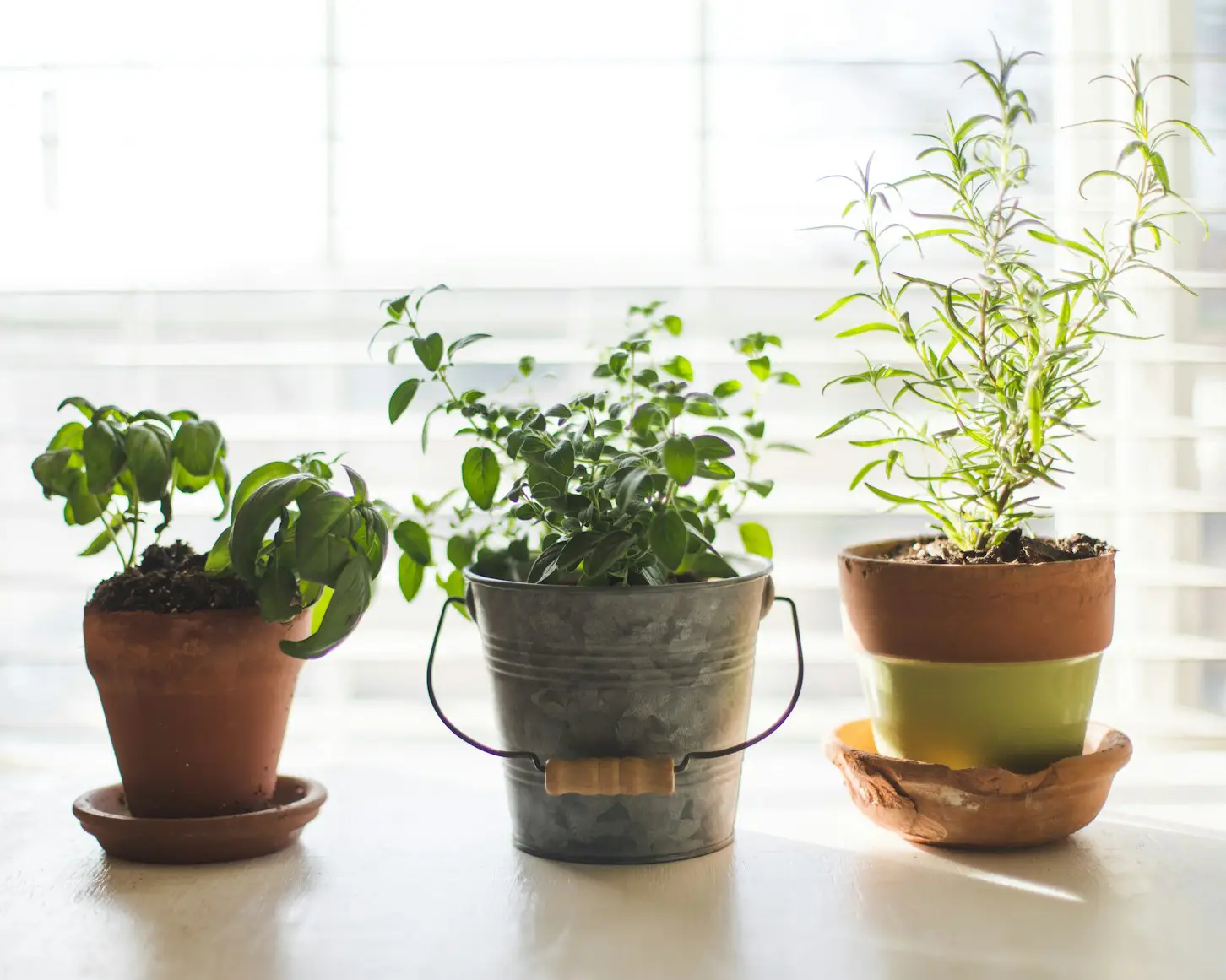

Looking to grow your own fresh herbs but tight on space? Garden planters for herbs are the perfect solution for home gardeners who want flavor without the fuss. Whether you’re working with a balcony, patio, windowsill, or backyard, there’s a garden planter to suit your needs and style. From vertical options to DIY creations, these planters help you grow a variety of herbs easily, even in small spaces. In this guide, you’ll discover creative and practical garden planters that make herb gardening both accessible and beautiful, no matter your experience level.
Best Garden Planters for Herbs in Small Spaces
If you’re gardening in a compact area, choosing the right garden planters for herbs can make all the difference. Look for planters that maximize vertical or horizontal space without taking up too much room. Stackable containers, narrow railing boxes, and compact pots with multiple compartments are all excellent choices. These planters allow you to grow a variety of herbs like basil, thyme, and cilantro even on a tiny balcony. Drainage is key, so ensure your planters have proper holes or liners to keep roots healthy in confined spaces.
Vertical Herb Planters That Save Space & Look Amazing
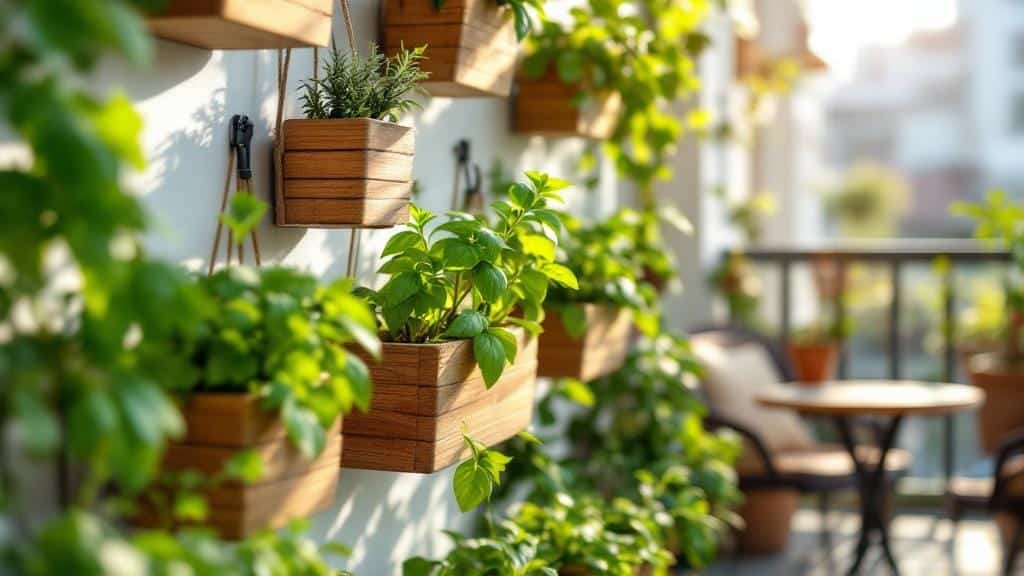
Vertical garden planters for herbs are perfect for urban gardeners or those with limited floor space. These planters take advantage of vertical height, allowing you to grow multiple herbs in a tiered or wall-mounted setup. Options include wall-mounted racks, ladder-style shelves, and hanging pockets. They’re not only space-efficient but also visually appealing, adding a lush, green element to walls or fences. Many vertical planters are modular, letting you expand your herb garden as needed. Great for mint, oregano, parsley, and other frequently used herbs, they keep your kitchen essentials within easy reach.
DIY Garden Planters for Herbs You Can Make at Home
Want to personalize your herb garden? Try building your own garden planters for herbs using materials you already have. Wooden crates, tin cans, mason jars, and even old pallets can be transformed into creative planters. DIY options allow for full customization in size, shape, and design. With a bit of effort, you can create a unique herb-growing space that suits your decor and lifestyle. Just make sure your DIY planter includes proper drainage and is made from non-toxic materials. It’s a fun, cost-effective way to grow your favorite herbs organically.
DIY planters are a fantastic way to save money while expressing your creativity. If you are planning your budget, check out our detailed guide on how much a herb garden cost to see how much you can save by building your own setup.
Hanging Planters for Herbs: Beauty Meets Function
Hanging garden planters for herbs are a stylish and efficient way to grow plants without sacrificing surface space. Ideal for balconies, pergolas, and kitchen windows, hanging planters create a floating garden effect while keeping your herbs within easy reach. Choose durable materials like metal or weather-resistant plastic, and ensure each planter has proper drainage. You can grow lightweight herbs like thyme, dill, or chives and rotate them seasonally for variety. Hanging planters also add a touch of greenery and charm to any space, making herb gardening both functional and decorative.
Window Box Planters: Fresh Herbs Right at Your Kitchen
Window box garden planters are perfect for growing herbs just a few steps from where you cook. Mounted on windowsills or balcony railings, these long, shallow containers are ideal for sun-loving herbs like basil, rosemary, and sage. With proper drainage and rich soil, your herbs will thrive in these accessible locations. Many window boxes come with built-in liners, making watering and maintenance easy. Plus, their placement allows for natural sunlight exposure and frequent harvesting. If you love cooking with fresh ingredients, window boxes offer the perfect blend of convenience and charm.
Raised Garden Planters for Herbs: Easy on Your Back
Raised garden planters for herbs provide comfortable, accessible gardening, especially for those who prefer not to bend or kneel. These elevated beds come in various sizes and styles, making them suitable for patios, decks, or yards. They allow better control over soil quality, drainage, and pests. Ideal for perennial and annual herbs, raised planters give your plants room to grow and your body less strain. Popular choices include wooden, metal, or composite frames. These planters are especially helpful for gardeners with limited mobility or those looking for a neat, organized herb garden.
Smart Self-Watering Planters for Busy Gardeners
For those with a busy schedule, self-watering garden planters for herbs are a game-changer. These innovative containers include a built-in reservoir system that provides consistent moisture to the plant roots, reducing the need for daily watering. Ideal for indoor and outdoor use, they’re especially helpful in hot climates or during vacation periods. You can grow thirsty herbs like basil or parsley without the risk of underwatering. Look for models with water level indicators and breathable wicking systems. These planters help ensure your herbs stay fresh and healthy, even when life gets hectic.
Indoor Garden Planters for Herbs All Year Round
With the right indoor garden planters, you can grow herbs year-round, no backyard required. Choose containers that fit on windowsills, countertops, or shelves, ideally near a light source. Popular indoor herbs include mint, chives, basil, and thyme. Planters with built-in grow lights are perfect for low-light homes or winter months. Choose pots with drainage trays to prevent root rot and use high-quality indoor potting mix. Whether you live in an apartment or want fresh herbs in your kitchen, indoor garden planters for herbs offer convenience, flavor, and freshness all year long.
Choosing the Right Material: Wood, Metal, or Ceramic?
When selecting garden planters for herbs, the material matters just as much as the design. Wood planters provide a rustic look and good insulation but may require treatment to resist rot. Metal planters are durable and stylish, but can heat up quickly, affecting root temperature. Ceramic pots offer excellent aesthetic value and insulation, but may be heavy and fragile. Each material has its pros and cons, so choose based on your location, climate, and aesthetic preferences. No matter the material, ensure your planter includes drainage to support healthy herbs.
How to Arrange Multiple Herb Planters for Style and Yield
Creating a cohesive and productive herb garden means arranging your garden planters with purpose. Group herbs with similar light and watering needs. Place taller herbs like rosemary or sage at the back, and smaller ones like thyme and oregano at the front. Use planters of varying heights and styles to add dimension while maximizing space.
Arranging your planters close to the kitchen or patio will encourage frequent harvesting. Whether you’re growing three herbs or fifteen, a well-planned layout not only looks beautiful but also supports better airflow, sunlight, and productivity. Ultimately, adding these functional planters is the easiest way to create a welcoming home with garden vibes, where fresh flavor and natural beauty are always within arm’s reach.


