
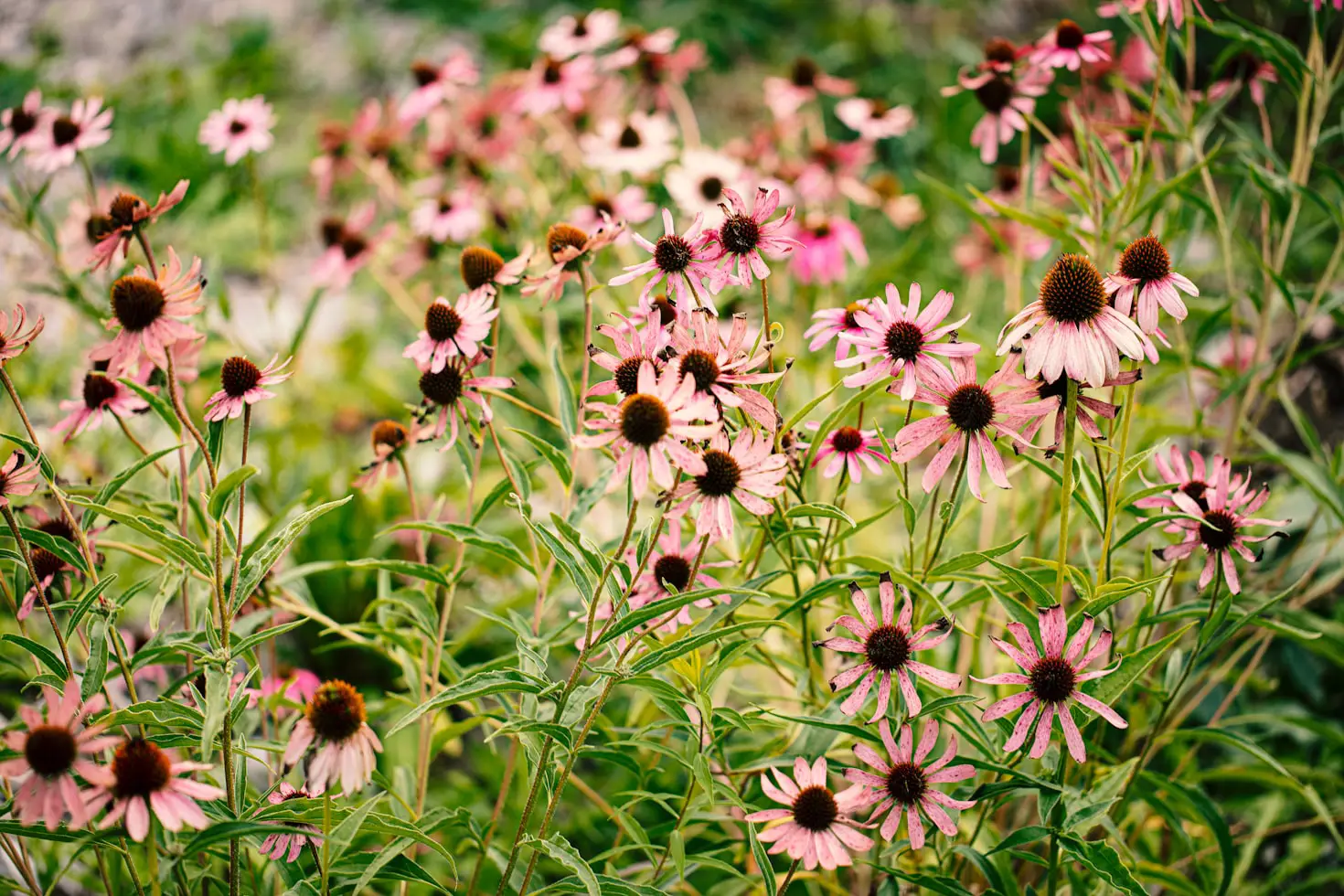

Easy-to-grow perennials are the perfect solution for gardeners seeking lasting beauty without constant maintenance. These resilient plants return year after year, providing vibrant colors and lush foliage with minimal effort. Whether you are a beginner or an experienced gardener, easy-to-grow perennials make your garden look stunning across seasons. From sun-loving blooms to shade-tolerant varieties, these plants adapt to a variety of environments. By choosing the right perennials and following simple care practices, you can create a garden that thrives and evolves, giving you long-lasting enjoyment and effortless gardening success.
Why Easy-to-Grow Perennials Are Perfect for Beginner Gardeners
Easy-to-grow perennials are ideal for beginner gardeners because they require minimal attention while delivering beautiful results. Unlike annuals, which must be replanted each year, perennials come back year after year, reducing effort and cost. They tolerate varying weather conditions, making them forgiving for newcomers still learning about soil, sunlight, and watering. Additionally, many easy-to-grow perennials resist pests and diseases, giving beginners confidence in their gardening success. Starting with these resilient plants allows gardeners to focus on learning proper planting techniques and garden design, building a foundation for a thriving garden without feeling overwhelmed.
Top Low-Maintenance Perennials That Thrive Everywhere
Certain easy-to-grow perennials thrive in almost any environment, making them excellent choices for low-maintenance gardens. Popular options include coneflowers, hostas, daylilies, black-eyed Susans, lavender, sedum, ornamental grasses, catmint, phlox, and coral bells. These plants adapt well to different soil types, sunlight levels, and climates, ensuring consistent growth year after year. They require minimal watering and occasional pruning, making them perfect for gardeners with busy schedules. By incorporating these perennials into your garden, you can enjoy long-lasting blooms and greenery with little effort while enhancing your outdoor space with vibrant color and texture.
How to Plant and Care for Your Perennial Garden
Planting easy-to-grow perennials begins with choosing the right location and soil. Dig a hole slightly larger than the plant’s root ball, ensuring proper spacing for growth. Water thoroughly after planting and apply a layer of mulch to retain moisture and prevent weeds. Regular care involves occasional watering during dry spells and removing spent blooms to encourage more flowers. Fertilize sparingly with a balanced slow-release fertilizer to promote healthy growth. Monitoring for pests and trimming dead foliage helps maintain garden aesthetics. With consistent, simple care, your perennial garden will flourish, providing long-lasting beauty and effortless enjoyment.
Sun vs. Shade: Choosing the Right Spot for Your Perennials
Understanding your garden’s sunlight conditions is key to successfully growing perennials. Some easy-to-grow perennials, like daylilies and coneflowers, thrive in full sun, while others, such as hostas and ferns, prefer partial or full shade. Planting perennials in the right location ensures strong growth, vibrant blooms, and healthy foliage. Observing sunlight patterns throughout the day can help you determine the optimal placement for each plant. Proper placement also reduces stress on the plants, lowering water requirements and the risk of disease. Matching your perennials to their preferred sun exposure guarantees a flourishing, low-maintenance garden.
Perennials That Bloom All Season Long Without Extra Effort
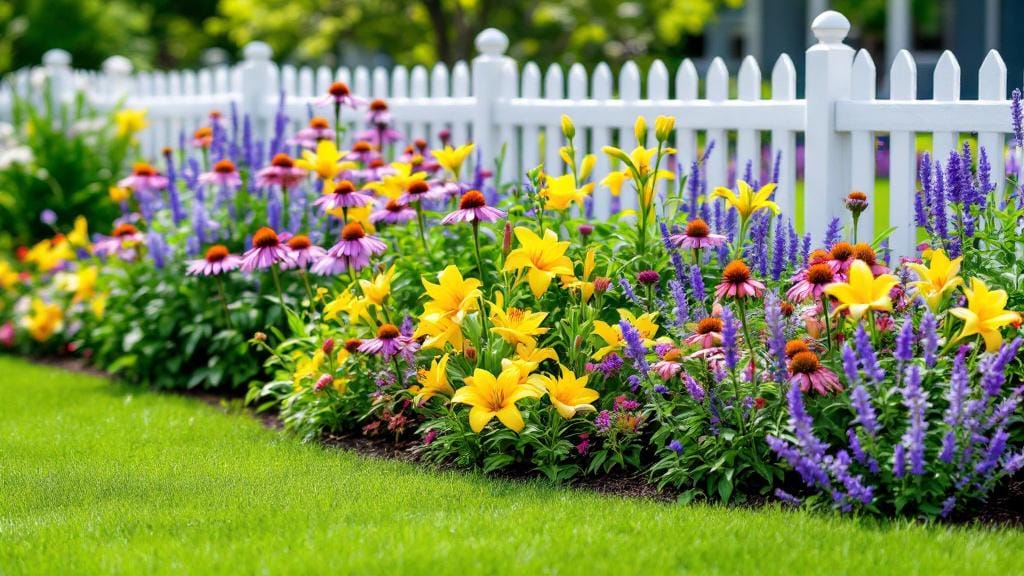
Certain easy-to-grow perennials provide continuous color and interest throughout the growing season. Plants such as daylilies, coneflowers, sedum, and coreopsis bloom repeatedly, requiring little attention from gardeners. Choosing a mix of early, mid, and late-season bloomers ensures your garden stays vibrant from spring to fall. Deadheading spent flowers encourages additional blooms and extends the flowering period. By strategically planting these low-maintenance perennials, gardeners can enjoy a garden that evolves naturally while minimizing effort. With proper soil, sunlight, and occasional watering, these hardy plants keep your landscape lively, colorful, and beautiful all season long.
While perennials provide a long-term foundation, you can amplify your garden’s energy by adding specific seasonal stars. For a truly explosive start to the year, check out our guide on how to bloom into spring with the best flowers for a vibrant garden.
Common Mistakes When Growing Perennials and How to Avoid Them
Even easy-to-grow perennials can suffer if common mistakes are made. Overwatering or planting in poorly drained soil can lead to root rot, while planting too closely restricts airflow and causes overcrowding. Neglecting sunlight requirements results in weak growth or lackluster blooms. Failing to mulch allows weeds to compete for nutrients. To avoid these issues, choose perennials suited to your garden’s conditions, provide adequate spacing, and monitor watering carefully. Regular maintenance, such as pruning and mulching, encourages healthy growth. Awareness of these common pitfalls ensures your garden thrives and makes growing perennials a rewarding, low-stress experience.
Soil Tips: The Best Soil for Healthy, Easy-to-Grow Perennials
Healthy soil is essential for easy-to-grow perennials to flourish. Most perennials prefer well-draining soil enriched with organic matter such as compost or aged manure. Adding sand or perlite can improve drainage in heavy clay soils, while mulch retains moisture and reduces weed growth. Testing your soil’s pH ensures it’s suitable for the perennials you want to grow, as slightly acidic to neutral soil works for most varieties. By preparing your garden bed with nutrient-rich, well-draining soil, you give your perennials the best start for strong roots, lush foliage, and abundant blooms year after year.
Companion Planting: Pairing Perennials for Maximum Impact
Companion planting helps your easy-to-grow perennials thrive while enhancing the beauty of your garden. Pairing tall perennials like delphiniums with lower-growing varieties such as coreopsis creates a layered, visually appealing landscape. Combining plants with similar sunlight and water needs simplifies maintenance and ensures balanced growth. Some perennials, like lavender and catmint, also help repel pests naturally. Using complementary colors and bloom times maximizes visual impact throughout the season. By thoughtfully pairing perennials, gardeners can create dynamic, harmonious garden designs that are both easy to maintain and endlessly rewarding, enhancing the appeal of any outdoor space.
Strategic pairing isn’t just about looks; it’s a proven method in companion planting to naturally deter pests and improve the overall health of your garden ecosystem.
How to Divide and Propagate Perennials for Bigger Gardens
Dividing perennials is an easy way to expand your garden while maintaining plant health. Most easy-to-grow perennials benefit from division every few years to prevent overcrowding and promote vigorous growth. Dig up the plant, separate the root clumps, and replant in prepared soil. Propagation from cuttings or seeds allows gardeners to grow new plants at minimal cost. Dividing and propagating perennials also rejuvenates older plants, encouraging stronger blooms and healthier foliage. With these techniques, you can expand your perennial garden effortlessly, creating a fuller, more vibrant landscape without constantly purchasing new plants.
Seasonal Care Guide: Keeping Your Perennials Healthy Year-Round
Maintaining easy-to-grow perennials year-round ensures lasting beauty and resilience. In spring, clean garden beds, mulch, and fertilize to encourage new growth. During summer, monitor watering and deadhead spent blooms to prolong flowering. Fall is the time to trim, divide, and prepare perennials for winter. In colder climates, protect tender perennials with mulch or covers. Even as growth slows down, you can incorporate winter landscape ideas like leaving ornamental grasses standing or choosing perennials with interesting seed heads to provide texture and visual interest during the snowy months. By following a seasonal care routine, gardeners can enjoy healthy, vibrant perennials that return annually.


