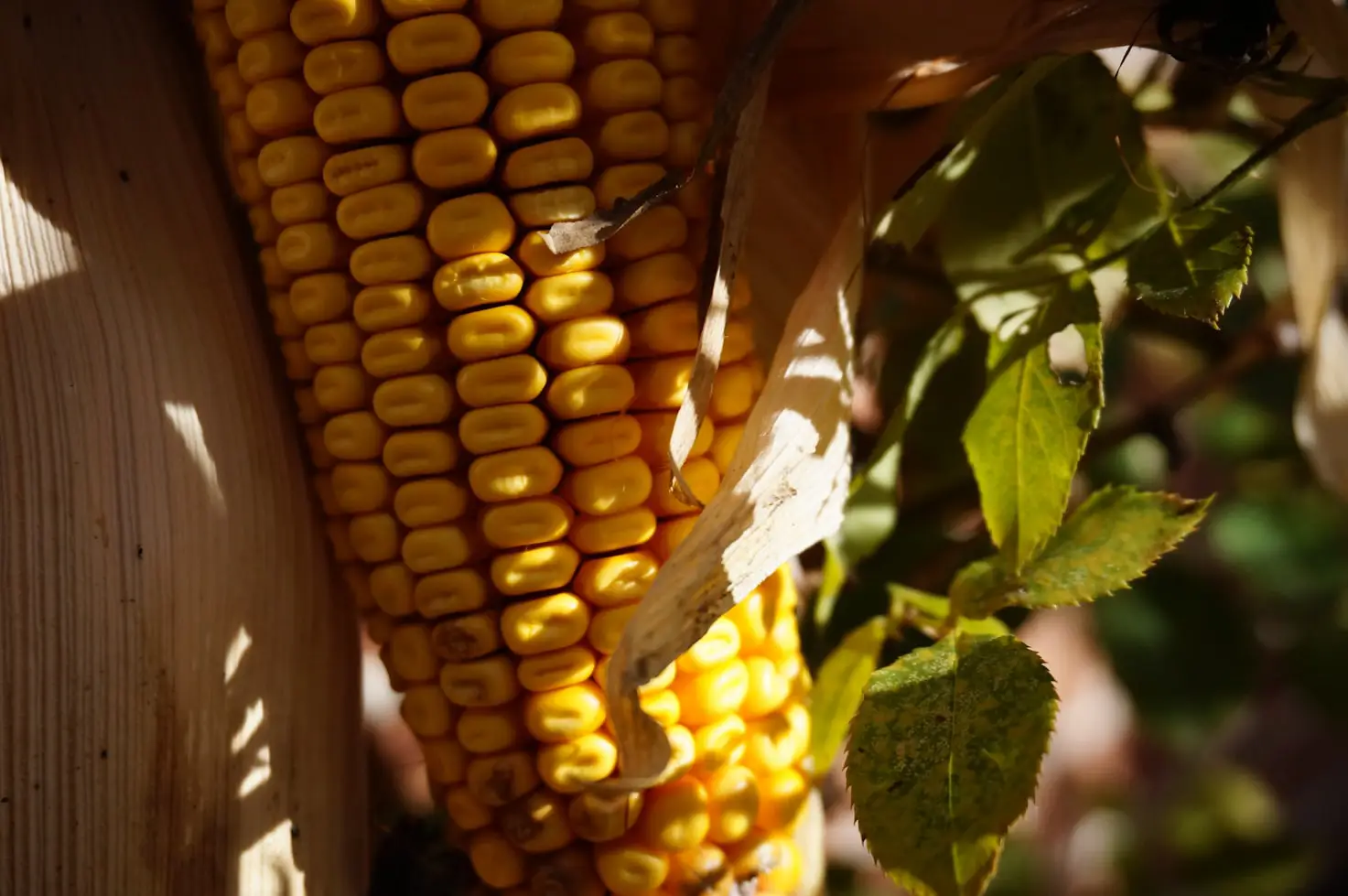

Sweet corn is a beloved staple of summer gardens, but many gardeners assume it requires a large plot of land to thrive. Fortunately, container gardening opens up opportunities for growing corn even if you have a balcony, patio, or small backyard. With the right containers, soil, sunlight, and care, you can enjoy fresh, homegrown corn without a traditional garden plot. This guide covers everything you need to know about growing corn in containers, including selecting the right varieties, planting techniques, watering, fertilization, pest control, and harvest tips.
Why Grow Corn in Containers?
Growing corn in containers may seem unusual since corn is traditionally planted in large blocks to ensure proper pollination. However, container gardening offers several advantages: space-saving, ideal for urban gardens, patios, or balconies; soil control, you can customize the soil mix for better fertility and drainage; mobility, containers can be moved to optimize sunlight exposure or protect from wind; and reduced weeds and pests, raised containers minimize weed competition and soil-borne pests. With careful planning, container-grown corn can be just as sweet and tender as field-grown corn. It is a fantastic choice for a roof top garden, as the open space provides the direct, all-day sunlight that corn stalks need to develop healthy, juicy ears.
Choosing the Right Corn Varieties for Containers
Not all corn varieties are ideal for container gardening. The best options are dwarf, compact, or early-maturing varieties: “Sugar Buns”: A compact sweet corn variety that reaches about 3–4 feet tall, “Golden Bantam” is classic sweet corn, suitable for medium containers. “Patio” or “Mini Popcorn”: Small varieties perfect for balcony containers: “Early Sunglow”: Matures quickly and tolerates container conditions. Avoid tall, field varieties unless you have very large containers and strong support structures. For best pollination, plant at least four to six stalks together, as corn relies on wind pollination.
Selecting the Right Container
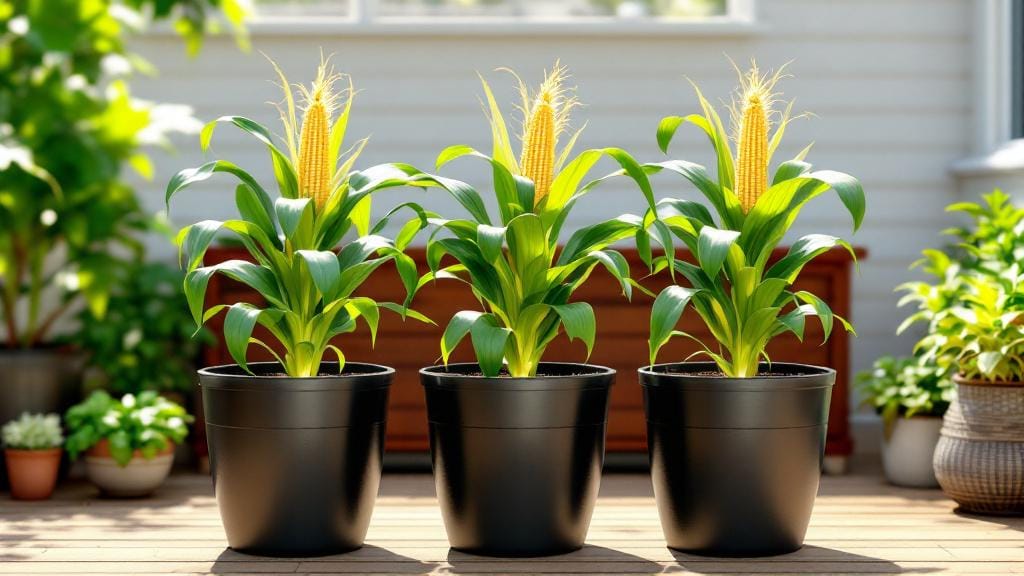
The container is one of the most important factors for successful corn growth. Corn has deep roots and grows quickly, so it needs large, sturdy containers with excellent drainage. Container size guidelines: Minimum 18–24 inches in diameter per stalk; Depth of 18–24 inches to accommodate the taproot; Sturdy material: Plastic, resin, ceramic, or wooden containers work best. Drainage: Ensure containers have multiple drainage holes. Corn roots do not tolerate waterlogged soil, and proper drainage prevents root rot. Tip: Large trough-style planters or half-barrels can accommodate multiple corn stalks in a single container, improving pollination success.
Soil and Fertilization
Corn is a heavy feeder, requiring nutrient-rich soil to develop juicy ears. Using the best potting soil for container vegetables ensures that your corn has the right balance of drainage and organic matter to thrive in a restricted space.
Corn is a heavy feeder, requiring nutrient-rich soil. Container soil must retain moisture while draining well. Soil mix: 1/3 high-quality potting soil, 1/3 compost or well-rotted manure, 1/3 perlite or coarse sand for drainage. Fertilizer: Corn thrives with nitrogen. Use a balanced, slow-release fertilizer at planting, then supplement with liquid fertilizer every 2–3 weeks. pH: Aim for a slightly acidic to neutral pH (6.0–6.8). Healthy soil ensures vigorous growth, strong stalks, and abundant ears.
Planting Corn in Containers
Growing corn in a limited space requires specific gardening techniques to ensure a successful harvest. From arranging the pots for better wind pollination to managing heavy nutrient needs, following these steps will help you get farm-fresh results on your patio.
Step 1: Timing
Corn is a warm-season crop and sensitive to frost. Sow seeds 2–3 weeks after the last frost in your area, or start indoors in peat pots for early planting.
Step 2: Sowing
Plant 2–3 seeds per container, about 1 inch deep. Space seeds evenly to prevent crowding. Thin to 1–2 plants per container after seedlings emerge, keeping the strongest stalk.
Step 3: Arrangement for Pollination
Corn requires wind pollination, so plant multiple containers in clusters. Place at least four to six stalks together for proper pollination. Arrange containers in a block rather than a single row to ensure pollen reaches all ears.
Sunlight Requirements
Corn is a sun-loving crop. Containers should be placed in a location that receives full sun for at least 6–8 hours per day. Protection from strong winds is important, as tall corn stalks can topple easily. Tip: Rotate containers periodically to ensure even sunlight exposure on all sides of the plant.
Watering Corn in Containers
Container-grown corn dries out faster than in-ground crops. Consistent moisture is crucial. Water deeply once or twice daily during hot weather. Keep soil consistently moist but not waterlogged. Mulch the surface with straw or shredded leaves to reduce evaporation. Tip: Using self-watering containers or drip irrigation can make watering more manageable, especially during hot summer months.
Supporting Corn Stalks
Tall corn varieties in containers may need staking or support. Use bamboo stakes or wooden poles to stabilize individual plants. Tie stalks loosely with soft twine to prevent damage. Avoid tying too tightly, as stalks need room to grow. Proper support prevents stalks from snapping in the wind or heavy rain.
Fertilizing During Growth
Corn has a high nutrient demand throughout its growth cycle. Initial feeding: Incorporate slow-release fertilizer at planting. Side dressing: At knee height (~6 weeks), add a nitrogen-rich liquid fertilizer to encourage strong stalks. Second side dressing: When tassels appear, provide a final nitrogen boost for healthy ear development. Monitor plants for yellowing leaves, which may indicate nutrient deficiency.
Pollination Tips
Proper pollination is critical for full, plump corn ears. Since you are working with a limited number of plants in pots, following these gardening hints can make the difference between a half-empty pot and a perfect one. Gently shaking the tassels daily ensures that pollen reaches the silks effectively. Corn is wind-pollinated, not insect-pollinated. Gently shake the tassels over the silks daily to help distribute pollen. Plant multiple stalks close together to improve the chance of fertilization. Tip: For small container gardens, hand-pollination ensures a higher yield.
Since corn is wind-pollinated, planting in blocks is essential. You can learn more about the science of how corn pollination works from the Iowa State University Extension to ensure every kernel on your cob is plump and full.
Common Pests and Diseases
Container corn is less prone to some soil-borne diseases, but pests and diseases still pose challenges. Aphids: Spray with insecticidal soap or water mist. Corn earworms: Inspect ears daily; remove worms by hand if necessary. Fungal diseases: Avoid overwatering and ensure good air circulation. Healthy soil, proper spacing, and timely watering help prevent most problems.
Harvesting Corn
Timing is everything when harvesting sweet corn. Harvest when silks turn brown but are still slightly sticky. Kernels should be plump and milky when pierced. Pick in the morning for the best flavor. Tip: Corn sugars convert to starch quickly after harvest, so eat within a day or two for peak sweetness.
Extending the Growing Season
To maximize your container corn harvest, start 2–3 weeks indoors before the last frost. Use row covers to protect seedlings from cold or pests. Choose early-maturing varieties; some corn matures in just 60 days, suitable for short growing seasons. With proper planning, you may be able to have multiple harvests in one season.
Advantages and Challenges of Corn Container Gardening
Advantages:
Space-efficient for small gardens; greater control over soil quality and moisture; easier to manage pests and weeds; mobile containers can be moved to optimize conditions.
Challenges:
Needs large containers for proper root growth, requires multiple plants for pollination, has high nutrient demand, needs frequent fertilization, and is susceptible to wind damage without proper support. With preparation and care, these challenges are manageable, and the rewards are fresh, sweet corn at your doorstep.
Container gardening proves that even a small space can yield a delicious summer harvest. By selecting compact varieties, providing rich soil, ensuring adequate sunlight, and practicing proper watering and pollination, gardeners can enjoy homegrown corn without needing acres of land. With a little effort and attention, your containers can produce tall, healthy stalks and plump, juicy ears. Corn doesn’t have to be reserved for traditional gardens; your patio or balcony can become a mini cornfield, bringing fresh flavors, fun, and satisfaction to your urban garden.
Container-grown corn is not only a practical solution for limited space but also a rewarding experience that connects you to the joy of growing your own food. So gather your containers, soil, seeds, and sun, and start your very own corn garden today.


