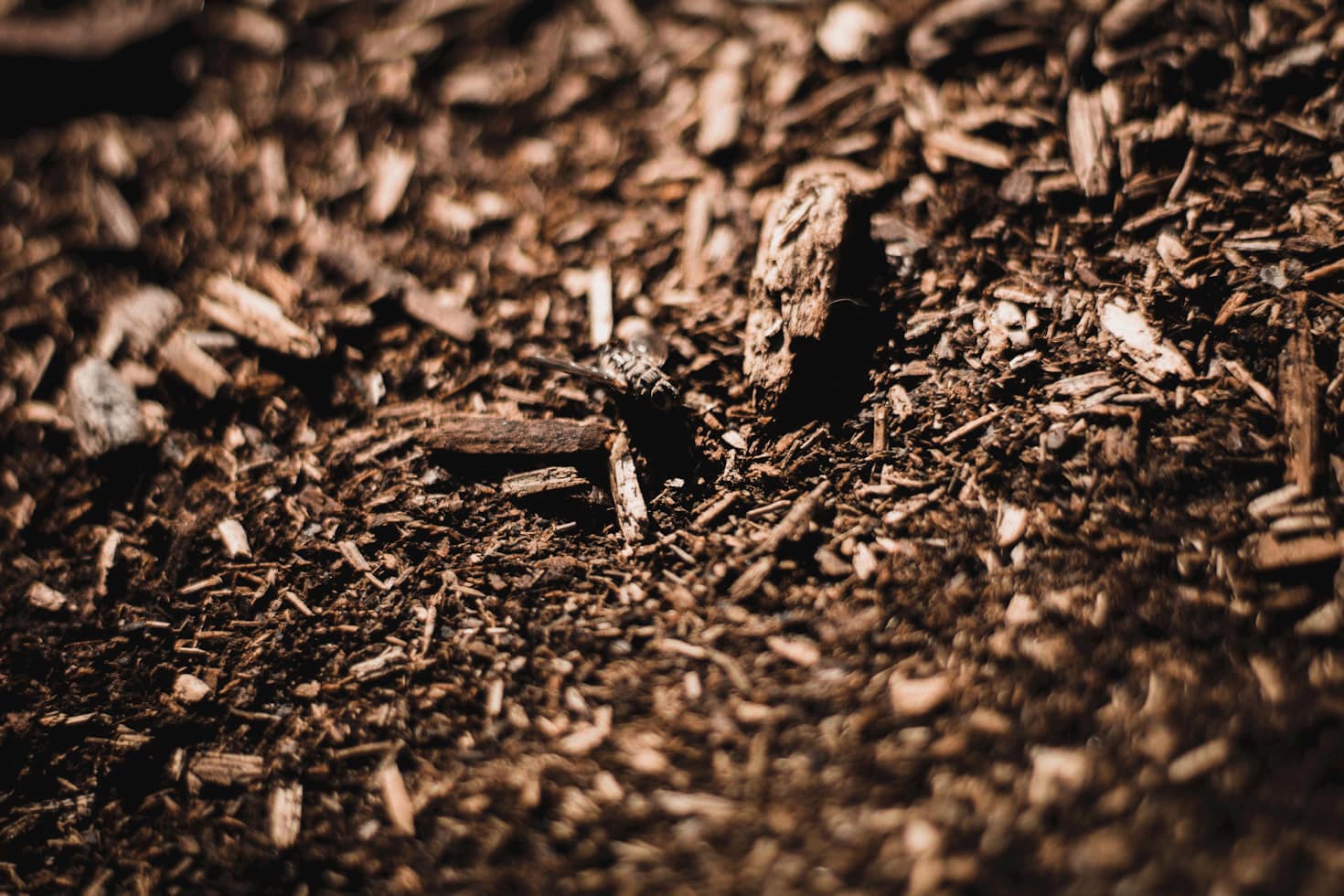

If you’re wondering, can I use wood chips in my rose garden? The answer is yes, but with some considerations. Wood chips are a popular mulch option that gardeners often use to improve soil health, conserve moisture, and suppress weeds. Using wood chips in rose garden beds can enhance the overall growing environment by regulating soil temperature and adding organic matter as they break down. However, it’s important to choose the right type of wood chips and apply them correctly to avoid potential problems. This article explains the benefits, risks, and best practices for using wood chips around your roses.
Benefits of Wood Chips for Rose Plants
Using wood chips in rose garden beds offers several benefits. Wood chips help retain soil moisture, reducing the need for frequent watering, which is especially beneficial during hot, dry seasons. They also act as a natural weed barrier, preventing unwanted plants from competing with your roses for nutrients. As the wood chips decompose, they add organic matter to the soil, improving its structure and nutrient content. Additionally, wood chips help regulate soil temperature, keeping roots cooler in summer and warmer in winter. These benefits combine to create a healthier growing environment for your rose plants.
Types of Wood Chips Suitable for Rose Gardens
Not all wood chips are created equal when it comes to rose care. It’s best to use hardwood chips, such as oak, maple, or hickory, because they break down slowly and provide long-lasting mulch. Avoid using softwood chips like pine or cedar near roses, as they can be more acidic and may affect soil pH negatively. Untreated, natural wood chips free from chemicals or dyes are ideal. Freshly shredded wood chips can sometimes tie up nitrogen during decomposition, so it’s better to use aged or composted wood chips to minimize nutrient depletion and ensure your roses get the nutrients they need.
How Wood Chips Affect Soil Moisture and Temperature
One of the main reasons gardeners use wood chips in my rose garden is their ability to regulate soil moisture and temperature. Wood chips act as an insulating layer, reducing evaporation and helping the soil retain moisture for longer periods. This means less frequent watering is necessary, which can save time and resources. They also buffer soil temperature fluctuations, protecting delicate rose roots from extreme heat or cold. This insulation promotes consistent root growth and overall plant health, making wood chips a practical choice for mulching roses in different climates.
Potential Risks of Using Wood Chips Around Roses
While wood chips in rose garden beds have many advantages, there are potential risks to consider. Fresh wood chips can temporarily reduce nitrogen availability in the soil because microorganisms use nitrogen to break down the wood. This can lead to nutrient deficiencies if not managed properly. Additionally, thick layers of wood chips can trap moisture against the stems, increasing the risk of fungal diseases. Using wood chips that are contaminated with chemicals, dyes, or pesticides can harm your roses. Proper sourcing and application are crucial to avoid these problems.
Proper Application Techniques for Wood Chips in Rose Beds
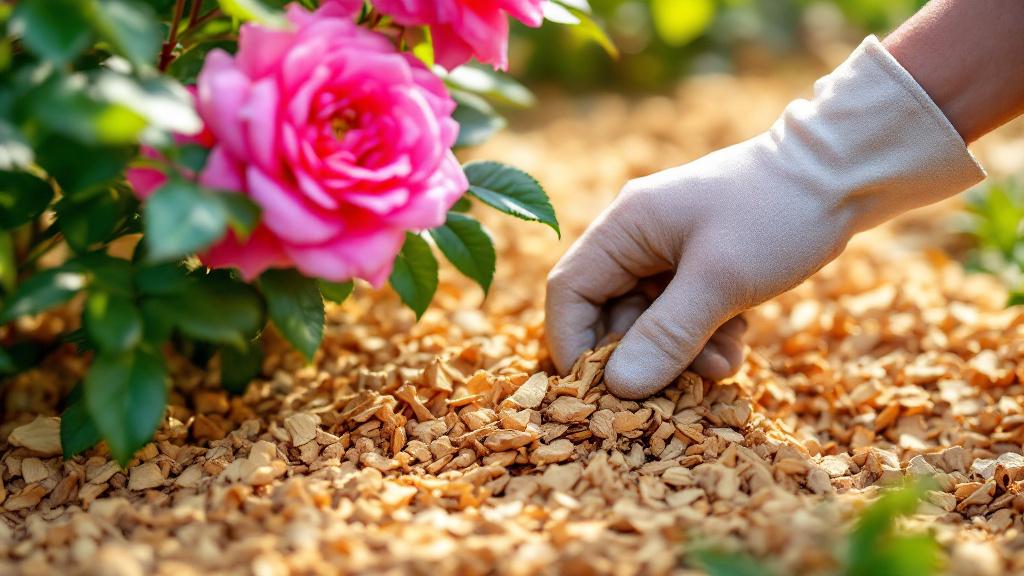
To safely use wood chips in my rose garden, apply them correctly. Begin by clearing weeds and loosening the soil around your roses. Spread a 2 to 3-inch layer of aged wood chips evenly around the base of each plant, avoiding direct contact with the stems to prevent moisture buildup and rot. Maintain a small gap around the crown of the plant. Refresh the mulch annually or as needed to maintain its benefits. Proper application helps maximize the advantages of wood chips while minimizing any risks to your rose garden.
Impact of Wood Chips on Rose Plant Health and Growth
When used appropriately, wood chips contribute positively to rose garden health and growth. By improving soil structure and moisture retention, they create an optimal root environment. This encourages stronger root systems and healthier foliage. The slow decomposition of wood chips gradually enriches the soil with organic matter, supporting beneficial soil organisms that aid nutrient uptake. However, monitoring nutrient levels and supplementing with fertilizer may be necessary, especially if you use fresh chips. Overall, wood chips can enhance your roses’ vigor and flowering potential.
Alternatives to Wood Chips for Mulching Roses
If you prefer not to use wood chips in my rose garden, there are alternatives available. Organic options include shredded bark, straw, compost, or shredded leaves, each offering unique benefits for moisture retention and soil health. Inorganic mulches like gravel or rubber mulch provide long-lasting ground cover without nutrient contribution but offer excellent weed control. Choosing the right mulch depends on your garden’s climate, soil type, and aesthetic preferences. Regardless of the choice, mulching remains a key practice for maintaining healthy roses.
Inorganic mulches like gravel or rubber mulch provide long-lasting ground cover without nutrient contribution. While exploring rubber materials for the garden, you might also find it interesting to know that garden rubber pads can work on RV stabilizer pads if you’re looking for heavy-duty uses for recycled rubber around your property.
Maintenance Tips When Using Wood Chips in Rose Gardens
Maintaining wood chips in your rose garden involves periodic refreshing and monitoring. Check mulch depth annually and add more chips as needed to maintain a 2 to 3-inch layer. Avoid piling mulch too thickly, which can suffocate roots or retain excessive moisture. Regularly inspect for pests or fungal growth, and remove any diseased plant material promptly. Supplement soil nutrients through balanced fertilization, especially if using fresh wood chips. Proper maintenance ensures that your wood chip mulch continues to support a thriving rose garden season after season.


