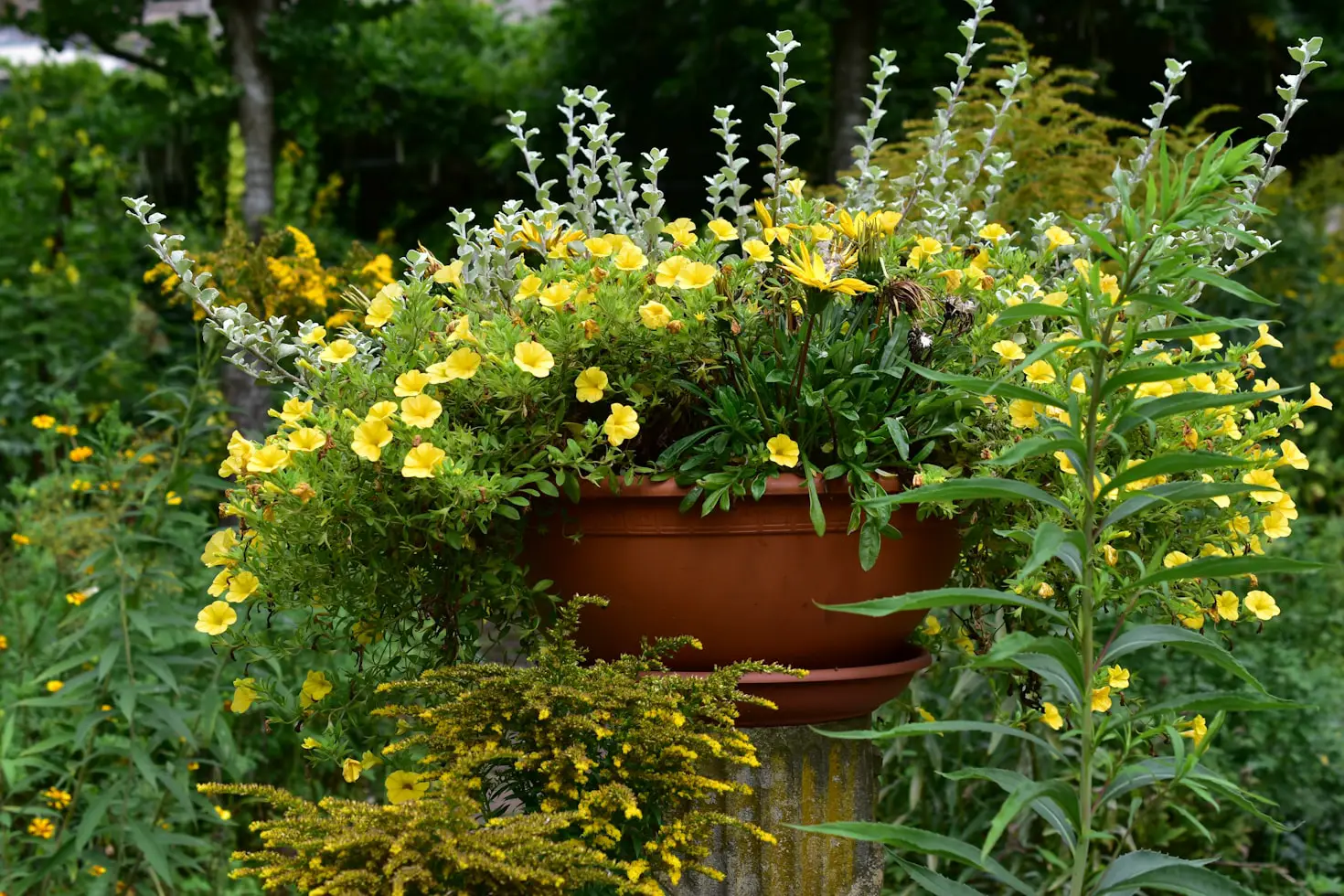

Many gardeners wonder, “Can I Use Raised Bed Soil in Pots?” The answer isn’t straightforward. Raised bed soil is nutrient-rich and ideal for in-ground gardens, but using it in containers requires care. While it can support healthy plant growth, drainage, texture, and moisture retention must be considered. Knowing how to use raised bed soil in pots effectively ensures your container plants thrive without root rot or nutrient imbalance. By adjusting the soil composition and combining it with suitable amendments, gardeners can enjoy the benefits of raised bed soil even in small pots.
Understanding Raised Bed Soil: What Makes It Special
Raised bed soil is specifically designed to provide optimal growing conditions. It typically contains a mix of compost, topsoil, and organic matter, ensuring good nutrient content and moisture retention. For many garden ins and outdoor enthusiasts, this composition promotes strong root growth and healthier plants. Unlike regular garden soil, raised bed soil is loose, aerated, and often free from weeds, making it ideal for vegetable and flower gardens. However, its nutrient density and water-holding capacity can differ when placed in containers. Understanding the unique properties of bed soil in pots helps gardeners determine how to adapt it for healthy container gardening and avoid common pitfalls.
Can Raised Bed Soil Work in Containers?
Yes, you can use raised bed soil in pots, but with some considerations. Raised bed soil holds nutrients well, which is great for container plants, but it can compact easily in smaller pots, reducing airflow to roots. Additionally, its water retention can sometimes lead to soggy soil if drainage is poor. To ensure success, mix raised bed soil with lightweight materials like perlite, sand, or coco coir. This adjustment helps mimic the ideal potting mix while maintaining the fertility of raised bed soil. With proper care, container plants can flourish using this soil type.
With proper care, container plants can flourish using this soil type. However, it is essential to understand the different properties of potting soil and how they differ from garden soil to prevent root suffocation.
Pros of Using Raised Bed Soil in Pots
Using raised-bed soil in pots offers several advantages. First, it is nutrient-rich, supporting healthy plant growth without frequent fertilization. Its organic matter improves moisture retention, keeping roots hydrated longer. The soil’s loose texture promotes strong root development, and its weed-free nature reduces maintenance. Additionally, it can be a cost-effective alternative to commercial potting mixes. When gardeners properly adjust it for container use, bed soil in pots can provide the same benefits as in raised beds, helping plants thrive, produce more flowers or vegetables, and maintain long-term soil health.
Cons of Using Raised Bed Soil in Containers
Despite its benefits, raised-bed soil has some drawbacks in pots. It can compact quickly, reducing oxygen to roots, and its high nutrient content may burn delicate plants if used straight from the garden. Poor drainage can cause waterlogging, leading to root rot. Furthermore, heavy soil can make pots difficult to move. Gardeners must adjust the soil mixture to prevent these issues. Overwatering or insufficient drainage can negate the advantages of using raised-bed soil in pots, so it’s crucial to combine it with materials that improve aeration and water flow for healthy container gardening.
How to Adjust Raised Bed Soil for Pot Gardening
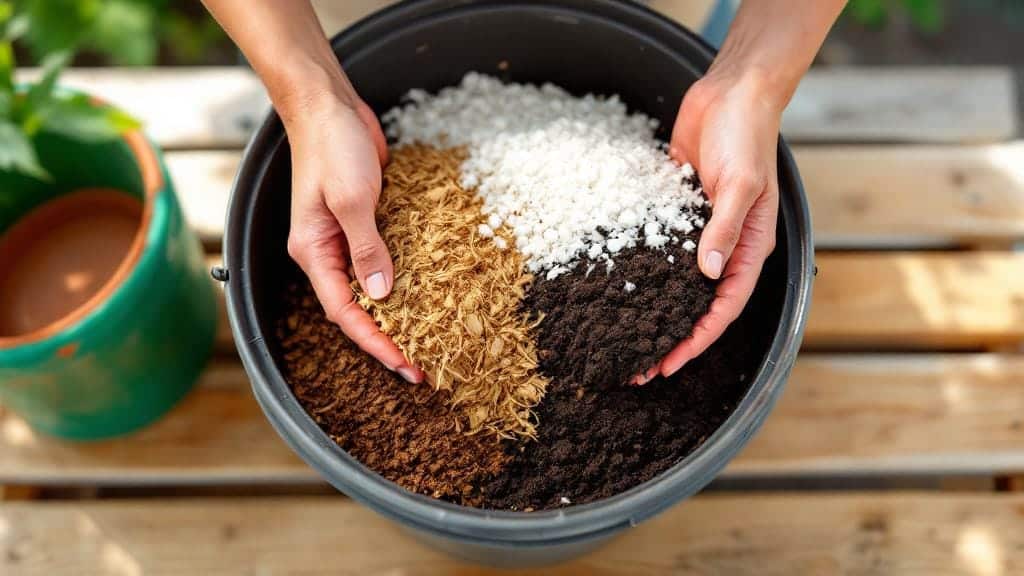
To successfully use raised-bed soil in pots, amendments are essential. Mixing in perlite, sand, or vermiculite improves drainage and prevents compaction. Adding compost or peat moss balances moisture retention while maintaining nutrients. Avoid using straight garden soil from raised beds without modifications, as it may be too dense for containers. Adjust the pH if necessary, especially for acid-loving plants. By preparing bed soil in pots properly, gardeners ensure proper aeration, root growth, and drainage, creating an ideal environment for container plants to thrive and produce healthy flowers, vegetables, or herbs.
Best Plants to Grow in Pots with Raised Bed Soil
Many plants thrive when you use raised-bed soil in pots. Herbs like basil, parsley, and thyme do well because the soil retains nutrients while offering adequate drainage if amended. Vegetables such as tomatoes, peppers, and lettuce grow strongly in nutrient-rich soil. If you enjoy the results in containers, you should also learn how to grow tomatoes in a raised bed for even bigger harvests and more space for your plants to thrive. Flowers like petunias, marigolds, and pansies also benefit from the fertile bed soil in pots. When selecting plants, consider their root depth and water needs, as raised bed soil holds moisture well. Choosing the right species ensures optimal growth and reduces problems like waterlogging or nutrient deficiencies in container gardening.
Common Mistakes When Using Raised Bed Soil in Containers
Gardeners often make mistakes when attempting to use raised-bed soil in pots. One common error is using it straight from the bed without amendments, which can lead to poor drainage and compacted roots. Overwatering is another frequent issue, as nutrient-rich soil retains moisture longer. Choosing heavy pots without drainage holes can worsen problems. Overfertilization is also common since the soil already contains nutrients. Avoiding these mistakes ensures your container plants thrive. Properly preparing bed soil in pots guarantees healthy root systems, strong growth, and a productive container garden.
How to Improve Drainage in Pots with Raised Bed Soil
Good drainage is essential when using raised-bed soil in pots. Adding perlite, coarse sand, or small gravel to the soil mix prevents compaction and waterlogging. Using pots with drainage holes allows excess water to escape, reducing root rot risk. Layering gravel at the bottom of the pot before adding soil can also help. Regularly monitoring moisture levels ensures the soil does not stay soggy for long periods. By improving drainage in the soil in pots, gardeners can create a healthier environment for roots, leading to stronger, more productive plants and minimizing common container gardening problems.
DIY Potting Mix Alternatives for Raised Bed Soil
If you don’t want to use straight raised-bed soil in pots, you can create DIY alternatives. Combine 50% raised bed soil with 30% perlite or vermiculite and 20% compost or coco coir for a lightweight, nutrient-rich potting mix. This mixture improves aeration, drainage, and moisture retention. Adding slow-release fertilizers can further enhance plant growth. Such adjustments allow gardeners to enjoy the fertility of bed soil in pots while avoiding compaction and water retention issues. DIY mixes give flexibility for growing different plants with varying nutrient and drainage requirements in containers.
Tips for Maintaining Healthy Plants in Pots
Maintaining healthy container plants with raised-bed soil requires monitoring and care. Water consistently but avoid overwatering, as the nutrient-rich soil retains moisture. Fertilize occasionally to replenish nutrients depleted by frequent watering. Check for signs of compaction and loosen soil periodically. Rotate pots to ensure even sunlight exposure. Using proper drainage techniques and high-quality soil amendments ensures that the bed soil in pots supports strong root systems. By following these organic gardening tips, such as using natural compost and avoiding synthetic chemicals, you can guarantee that your container garden thrives, producing healthy vegetables, herbs, or flowers throughout the growing season.


