

Bog plants offer a brilliant solution for gardeners dealing with soggy soil or standing water. These hardy plants thrive in wet environments and can transform an ordinary bog into a stunning water garden. By selecting the right bog plants, you can bring life, color, and texture to spaces where other plants struggle. Whether your goal is to create a peaceful retreat or a vibrant wildlife haven, bog plants are essential. With a wide range of species suited to varying light and moisture levels, even the wettest garden area can be turned into a beautiful, low-maintenance landscape.
Create a Lush Oasis with Beautiful Bog Plants
Bog plants naturally thrive in damp soil, making them ideal for turning wet garden areas into lush, green oases. These plants absorb excess moisture and provide a seamless transition between dry land and open water. Popular choices like marsh marigold, pickerelweed, and cardinal flower add vibrant color and help improve soil stability. By carefully arranging bog plants around your pond or water feature, you create a visually appealing and ecologically balanced space. With the right selection, your garden can become a sanctuary for both plants and wildlife, making it as functional as it is beautiful.
Perfect Plants for Wet, Marshy Garden Areas
If you have low-lying areas that stay wet after rainfall, bog plants are the perfect solution. These plants flourish in marshy conditions, providing both beauty and structure to challenging garden spaces. Species such as iris, horsetail, and sedges are particularly suited to these wet environments. Not only do they thrive where many others fail, but they also help filter water and control erosion. Integrating these plants into your garden design enhances the landscape’s natural flow while addressing drainage issues. Embrace the bog; these plants turn a problem area into a point of pride.
How Bog Plants Bring Life to Water Features
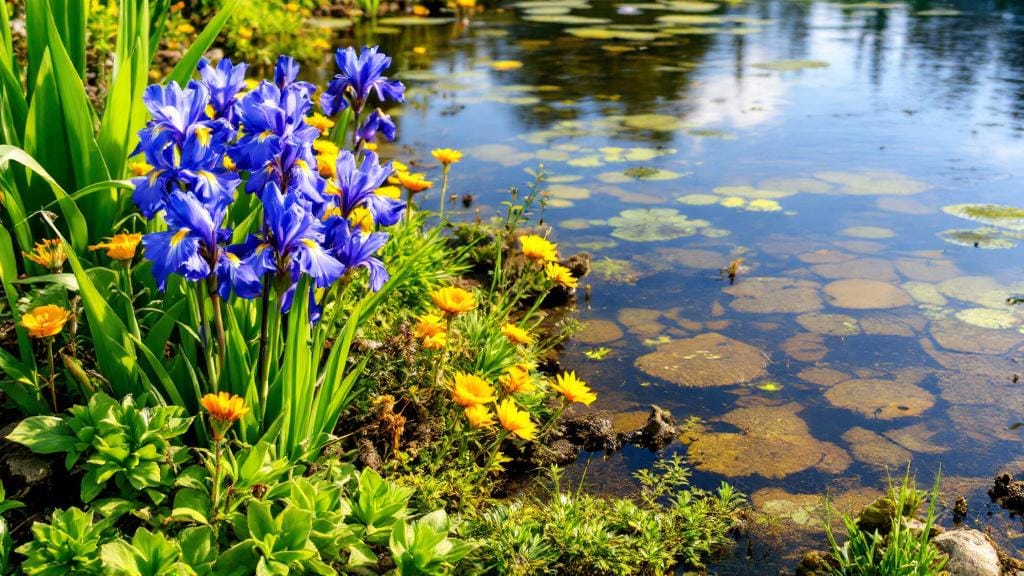
Bog plants play a critical role in bringing life to ponds, streams, and fountains. Their roots stabilize banks and filter runoff, keeping water features clean and balanced. In addition, their lush foliage and striking blooms create visual interest and attract birds, frogs, and beneficial insects. Plants like arrowhead, blue flag iris, and water plantain not only enhance beauty but also support biodiversity. With their vibrant colors and unique textures, bog plants complement any water feature, turning it into a living, breathing part of your garden. They bring movement, sound, and life to otherwise static spaces.
Add Texture and Color to Your Garden with Bog Plants
From the bold leaves of elephant ears to the delicate blooms of lobelia, bog plants add unmatched texture and color to any garden. These plants thrive in moist soil, offering a rich palette of greens, purples, yellows, and reds throughout the seasons. Ferns, grasses, and flowering bog species contribute to a layered, natural look that enhances both formal and informal designs.
Many professional designers consider species like the cardinal flower and blue flag iris as some of the best flowering plants for landscaping in areas where moisture is high. Mixing different textures and heights creates depth and visual interest, turning dull or difficult areas into showstoppers. Bog plants are a designer’s dream, perfect for adding vibrancy and character to your landscape.
The Best Bog Plants for Low-Maintenance Landscaping
For those seeking beauty without constant upkeep, bog plants offer an excellent solution. Once established, wide varieties require minimal care and thrive naturally in wet environments. Species like swamp milkweed, Joe Pye weed, and soft rush grow vigorously with little intervention. Their resistance to pests and diseases makes them reliable choices for low-maintenance landscaping. By choosing the right mix of bog plants, you reduce the need for watering, fertilizing, and weeding. These hardy performers keep your garden looking lush and inviting year-round—proof that stunning gardens don’t have to demand constant attention.
Why Every Water Garden Needs Bog Plants
A water garden is incomplete without the beauty and function that bog plants provide. These plants soften the edges of ponds and streams, create habitat for wildlife, and improve water quality by filtering excess nutrients. They also help transition between aquatic and terrestrial zones, giving the garden a cohesive, natural look. Bog plants like water iris, sweet flag, and cardinal flower add height, color, and interest to your design. Beyond aesthetics, they support the overall health of your water garden ecosystem. Including bog plants is both a smart and beautiful gardening choice.
Native Bog Plants That Thrive in Wet Conditions
Native bog plants are perfectly adapted to local soils, climates, and wildlife, making them an ideal choice for eco-friendly gardening. These plants require less maintenance and support native biodiversity. Species such as skunk cabbage, turtlehead, and blue vervain are not only beautiful but also provide food and shelter for local birds, bees, and butterflies. By choosing native plants for your bog area, you help restore natural habitats and promote ecological balance. Their resilience and adaptability make them a sustainable and rewarding addition to any wet garden space.
Turn Soggy Soil into a Botanical Showcase
What may seem like unusable, soggy soil is actually an opportunity to create a lush botanical showcase. With the right bog plants, you can transform wet patches into vibrant garden features full of life and color. Begin by assessing your site’s sun exposure and moisture level, then select plants like sedges, irises, and monkey flower to suit. Arrange them for visual balance and seasonal interest. Over time, these plants will thrive with minimal help, offering a garden that looks intentional and inviting. Soggy soil doesn’t have to be a setback; it can be your garden’s greatest asset.
Top Bog Plants That Attract Pollinators and Wildlife
Bog plants are magnets for pollinators and other beneficial wildlife. Their nectar-rich blooms and moist environments support bees, butterflies, frogs, and birds alike. Swamp milkweed attracts monarch butterflies, while pickerelweed draws bees and hummingbirds. Frogs and dragonflies find shelter among dense, water-loving foliage. By planting a variety of flowering bog plants, you help create a balanced, thriving habitat right in your backyard. These plants don’t just look good; they play a vital role in local ecosystems. Add them to your garden and enjoy the symphony of life they invite in.
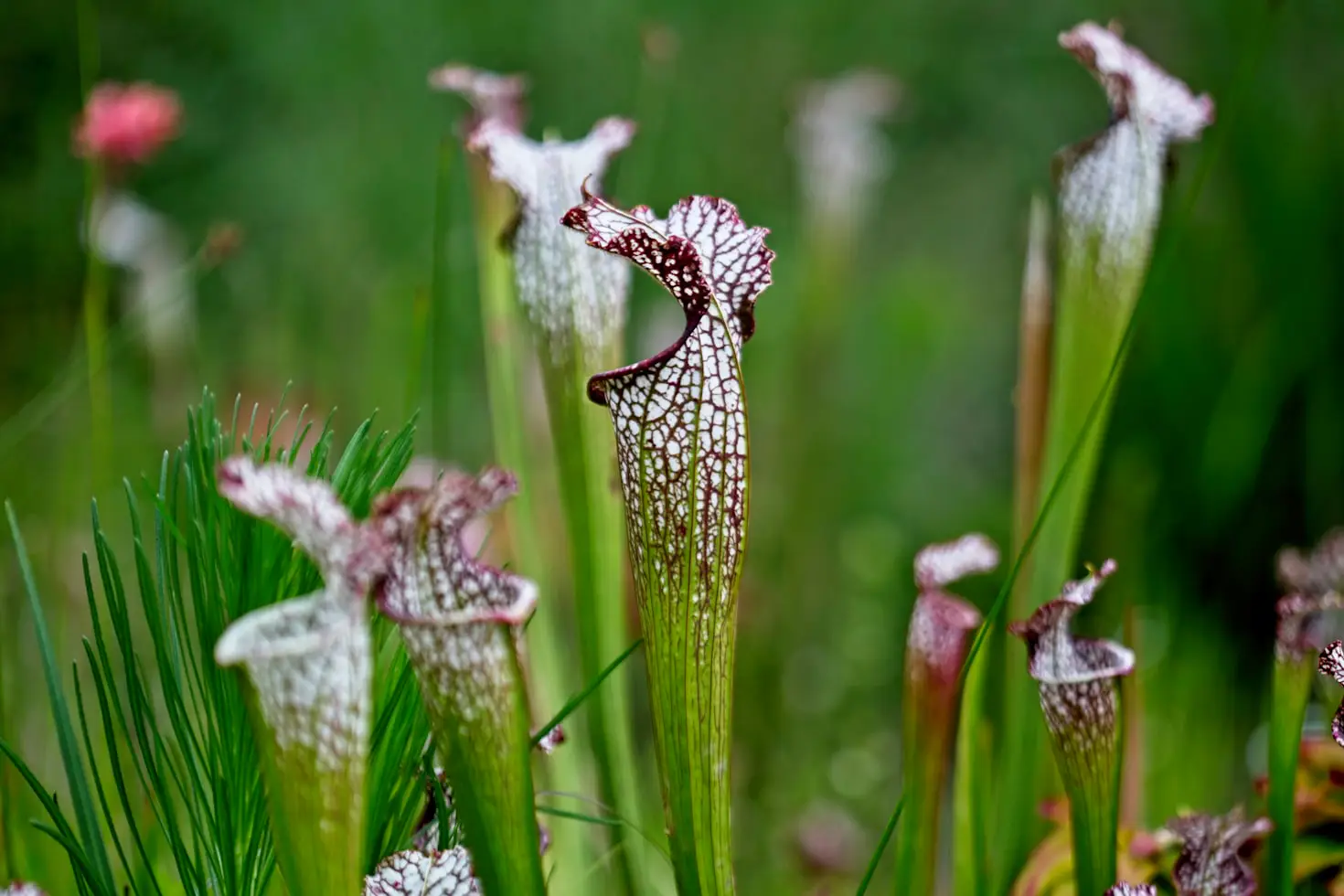
While flowering species attract bees and butterflies, you can add an extra layer of intrigue by learning how to create a captivating carnivorous plant garden that naturally manages pests while thriving in the same boggy conditions.
Designing a Stunning Bog Garden — Plant by Plant
Designing a bog garden is an art that blends beauty, ecology, and structure. Start with a mix of bold and delicate plants to add height and texture. Consider placing taller species like Joe-Pye weed at the back, mid-height plants like irises in the center, and ground-covering options like creeping jenny at the front. Use curves and layers to mimic natural wetland patterns. Choose a color scheme that suits your aesthetic and allows for seasonal variety. With thoughtful planning and the right bog plants, you can create a garden that is both elegant and ecologically vibrant.


