
Container gardening is an excellent way to bring color, fragrance, and life to patios, balconies, porches, and small urban spaces. Unlike traditional garden beds, container gardening allows you to control soil quality, drainage, and plant placement. Flowers are a natural choice for containers because they provide visual interest and can be moved to create seasonal displays. When selecting flowers for containers, it’s important to consider factors such as sunlight exposure, container size, climate, and maintenance requirements. With the right selection, your containers can bloom profusely all season long, adding beauty and charm to your outdoor spaces. while providing practical landscaping tips for small-scale gardening.
Understanding Container Gardening
Growing flowers in containers differs from in-ground gardening in several ways. Containers have limited soil volume, so water and nutrients can deplete more quickly. They are also more exposed to temperature fluctuations, which can stress plant roots. To succeed in container gardening, you should choose flowers suited to your local climate and light conditions. Additionally, selecting appropriate potting soil, ensuring proper drainage, and providing consistent care will help your plants thrive. By understanding these factors, you can create stunning floral arrangements that last throughout the growing season. For a deeper look at choosing the right containers, see our guide on the best plants for flower pots to match your style and needs.
Best Flowers for Full Sun Containers
Flowers that thrive in full sun require at least six hours of direct sunlight each day. These flowers typically tolerate heat well and produce abundant blooms during the summer months.
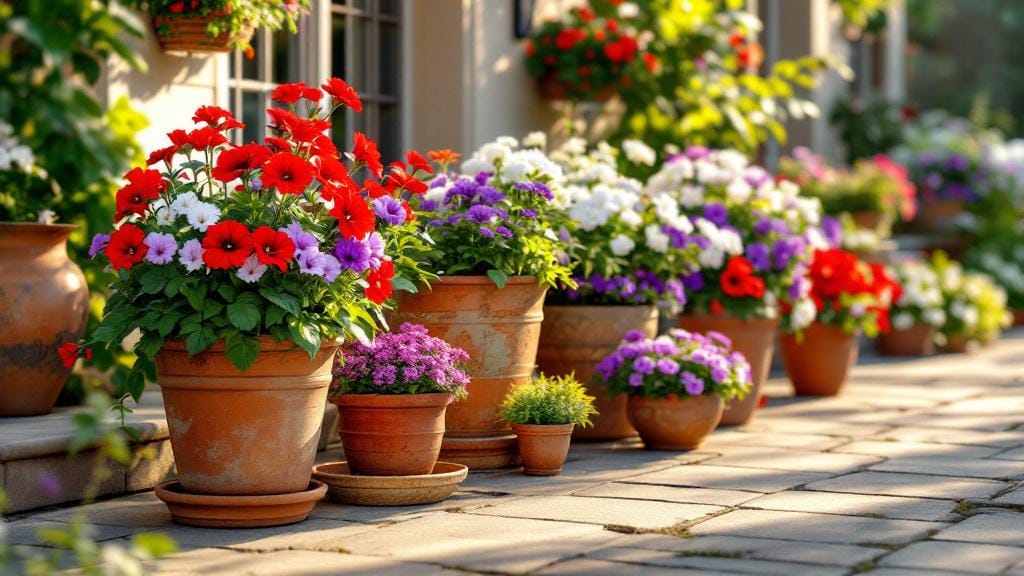
Petunias are a popular choice for sun-loving containers. Available in a wide range of colors, they cascade beautifully over the sides of pots. Modern varieties, such as Supertunia, are particularly resilient and bloom continuously.
Geraniums (Pelargonium spp.) are classic container flowers. They provide vibrant colors, resist heat once established, and have long-lasting blooms. They are excellent for front steps, window boxes, and porch pots.
Marigolds (Tagetes spp.) are hardy, sun-loving annuals. Their bright yellow, orange, and red blooms brighten any container and repel certain pests, making them functional as well as decorative.
Lantana (Lantana camara) is another excellent choice for full sun. Its clusters of multicolored flowers attract pollinators such as butterflies and hummingbirds. Lantana is drought-tolerant and low-maintenance, ideal for hot climates.
Calibrachoa (Million Bells) offers hundreds of tiny blooms in trailing varieties, perfect for spilling over container edges. These flowers thrive in sunny locations and complement other annuals beautifully.
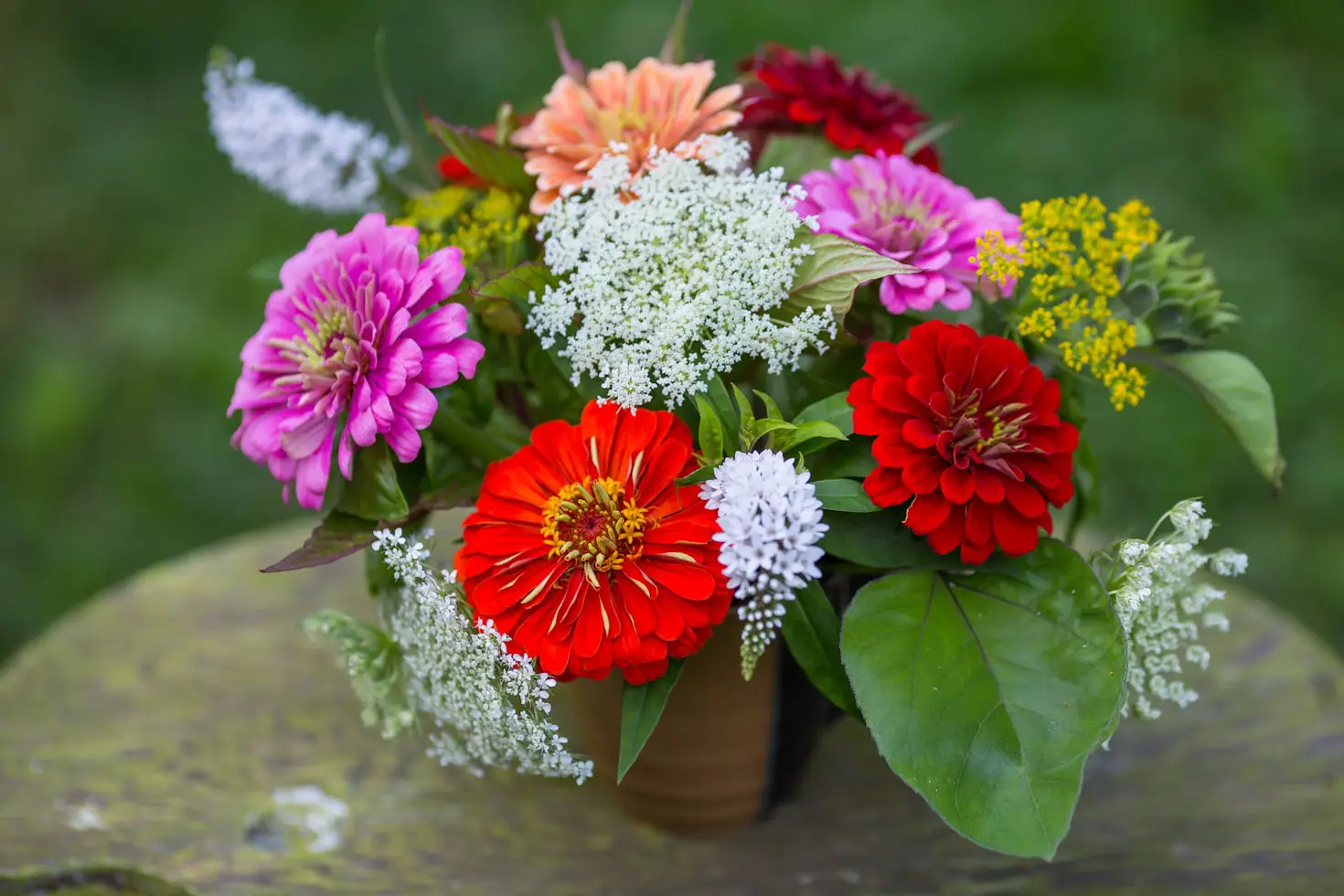
Zinnias are bright, cheerful flowers that flourish in containers and attract pollinators. They bloom profusely throughout summer and come in a wide array of colors.
Best Flowers for Partial Shade Containers
Not all outdoor spaces receive full sun. Fortunately, many flowers thrive in partial or full shade, adding color and texture where sun-loving varieties may struggle.
Impatiens are ideal for shady spots. Available in a variety of colors, they bloom continuously and can fill containers with vibrant hues. New Guinea impatiens tolerate a bit more sun and offer large, eye-catching flowers.
Begonias thrive in partial shade. Wax begonias are long-blooming, low-maintenance, and colorful, while tuberous begonias produce large, dramatic flowers in summer. Rex begonias are grown for foliage, adding visual interest even when flowers are sparse.
Fuchsias are excellent for hanging baskets in shady locations. Their pendulous flowers come in combinations of pink, purple, and white, adding elegance and attracting hummingbirds.
Coleus is valued for its striking foliage rather than flowers. Its bright leaves in shades of red, yellow, green, and purple create contrast and complement flowering plants in mixed containers.
Hosta flowers are subtle but attractive, with tall spikes of white or lavender blooms. Paired with their lush, variegated leaves, hostas make excellent shade container plants.
Flowers for Continuous Bloom
Certain flowers are particularly well-suited for continuous bloom throughout the growing season. These varieties are low-maintenance and maintain visual appeal over several months.
Petunias and geraniums are classic continuous bloomers, producing flowers for months with minimal deadheading.
Sweet Alyssum (Lobularia maritima) produces delicate clusters of tiny white, purple, or pink flowers. It also has a sweet fragrance and attracts beneficial insects.
Verbena thrives in sunny containers and blooms continuously, often spilling over the edges. Its clusters of small flowers provide long-lasting color.
Portulaca (Moss Rose) is a heat-loving, drought-tolerant flower that blooms profusely in sun-drenched containers. Its vibrant, cup-shaped flowers add a tropical touch.
Calibrachoa provides non-stop color in hanging baskets or large containers, ideal for mixing with other annuals for a lush display.
Annuals vs. Perennials in Containers
Annuals complete their life cycle in a single growing season but offer vibrant color and long-lasting blooms. They are perfect for seasonal displays and allow gardeners to change container designs each year. Popular annuals include petunias, marigolds, zinnias, and impatiens.
Perennials, on the other hand, return year after year. They are ideal for containers that remain in the same location over time. While many tips for planting flower beds emphasize long-term soil preparation in the ground, perennials in containers need similar attention to root space and drainage to ensure they return strong each spring. Dwarf hydrangeas, lavender, heuchera, and ornamental grasses provide structure, foliage, and seasonal blooms. Combining annuals and perennials in containers can create visually dynamic arrangements that last all season.
Tips for Designing Flower Containers
When arranging flowers in containers, it’s helpful to use some professional landscaping tips to create a balanced look. One popular method is the “thriller, filler, spiller” concept. The thriller is a tall or upright plant that draws attention, such as ornamental grasses or fuchsias. Fillers are medium-height plants that provide body and color, such as geraniums or petunias. Spillers are trailing plants that cascade over the edges, like sweet potato vine, calibrachoa, or ivy.
Mixing colors, textures, and bloom times ensures a container that remains attractive throughout the season. Consider contrasting foliage colors or pairing bold flowers with subtle greenery for a balanced look. Using a consistent color palette helps create harmony, while contrasting shades add drama and visual interest.
Seasonal Flower Choices
Spring containers can feature pansies, primroses, tulips, daffodils, and ornamental kale. These plants tolerate cooler temperatures and provide early-season color.
Summer containers are ideal for sun-loving flowers like petunias, geraniums, zinnias, marigolds, and lantana. Herbs like basil or thyme can also add fragrance and utility.
Fall containers can include chrysanthemums, asters, ornamental cabbage, and pansies. Adding small pumpkins or gourds can create a festive autumn display.
Winter containers are best with evergreens, such as dwarf conifers, holly, and winter pansies. Evergreen branches, pinecones, and berries provide structure and seasonal interest, even in cold weather.
Care Tips for Container Flowers
Container flowers require consistent care to thrive. Use high-quality potting soil and ensure containers have proper drainage holes to prevent root rot. Fertilize regularly with slow-release or liquid fertilizers to support continuous blooms. Water consistently, especially during hot, dry periods, but avoid overwatering. Regular deadheading, which is the process of removing finished flower heads, encourages new growth and prolongs the flowering season for months. By consistently removing spent flowers, you allow the plant to focus its energy on producing new blooms rather than seeds. Additionally, monitoring for pests and diseases is essential to keep your plants healthy and vibrant throughout the season.
Low-Maintenance Flower Options
For gardeners seeking low-maintenance containers, choose drought-tolerant or self-cleaning flowers. Petunias, marigolds, lantana, and calibrachoa are excellent choices for sun-exposed containers. Impatiens and begonias are reliable in shaded areas. Succulent flowers, like portulaca, are virtually care-free and provide long-lasting blooms. Combining hardy annuals with perennials can reduce the need for replanting and maintenance throughout the season.
Container gardening allows gardeners of all skill levels to create stunning floral displays in limited spaces. By choosing flowers suited to your light conditions, climate, and container size, you can ensure a thriving, colorful garden that enhances your outdoor living areas. Combining annuals and perennials, mixing textures and colors, and following seasonal planting guidelines will help you create dynamic and attractive container arrangements. With thoughtful planning and proper care, your containers can bloom all season long, providing beauty, fragrance, and joy to your home.


