
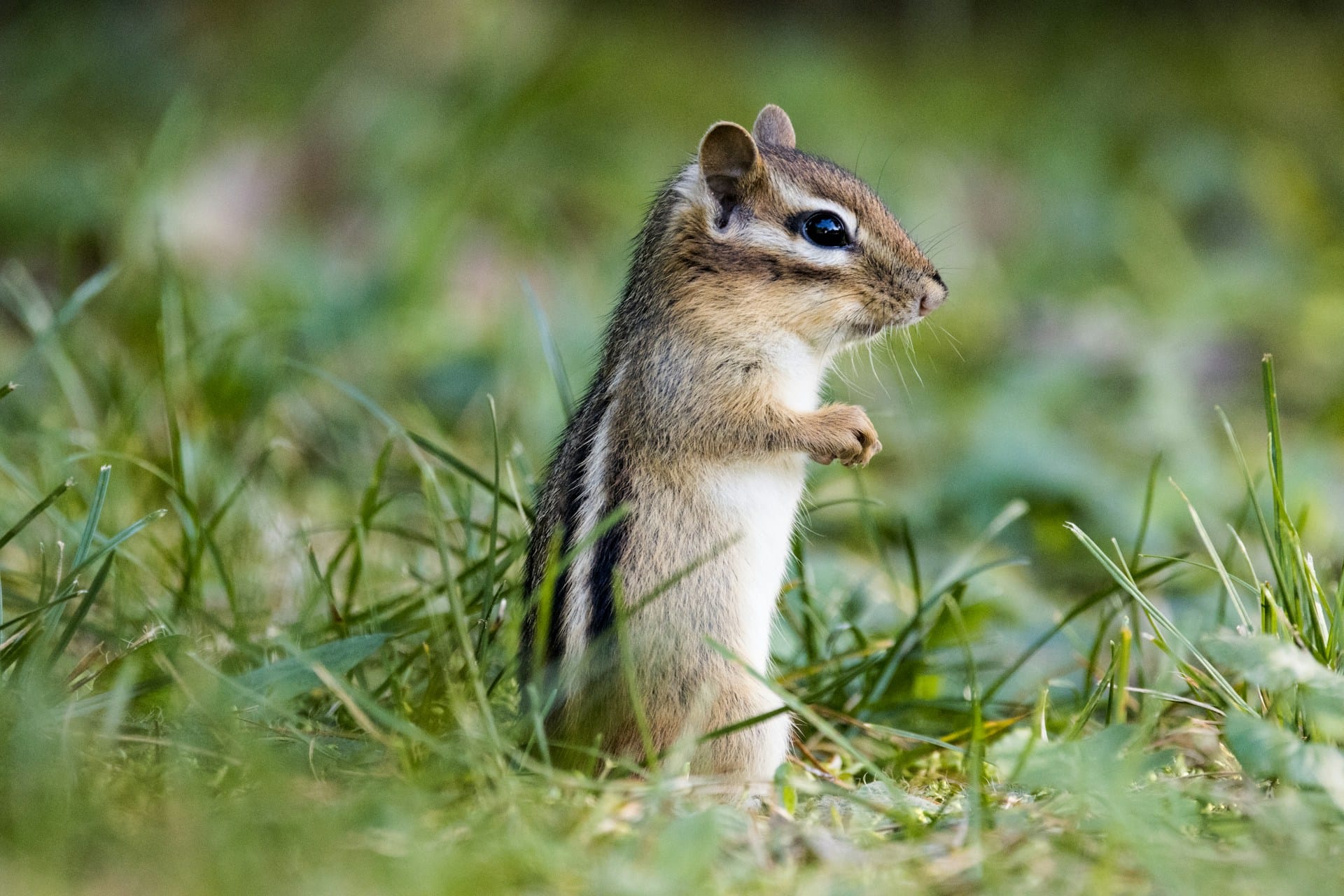

Chipmunks stay away from gardens that cut off their food supply, block easy digging spots, and carry strong smells like peppermint or predator scent. No single trick does the job on its own. It takes a combination.
They look harmless enough, small, striped, quick on their feet. But once one starts digging through your flower beds or hollowing out bulbs, the cute factor wears off fast. If you have been searching for what keeps chipmunks away for good, here is what actually works.
Why Chipmunks Show Up in the First Place
Three things pull chipmunks into a garden: food, cover, and soil soft enough to dig without much effort. Bulbs, seeds, berries, and spilled birdseed all count as food. Once a chipmunk finds a spot worth digging, it builds a burrow nearby, sometimes with tunnels running several feet underground, and keeps coming back.
Mulch beds, dense ground cover, and stacked wood or rock give chipmunks places to hide from hawks and cats, which only makes the problem stick around longer. And a garden that feeds one chipmunk well tends to attract more of them by the following season. Left alone, they will keep digging the same beds year after year, since chipmunks are creatures of habit as much as anything else.
Confirming It’s Actually a Chipmunk
Before you treat anything, make sure a chipmunk is really behind the damage. Their burrow entrances are small and clean, about two inches across, usually without the dirt mound you’d see from a groundhog or mole. Pulled bulbs often show neat bite marks, and seedlings can vanish overnight without a trace. Shallow digging near newly planted bulbs, paired with a tidy tunnel opening, points to a chipmunk rather than a vole or squirrel.
Cut Off the Food Supply First
Repellents rarely work if there’s still something worth digging for. Start here.
- Sweep up fallen seeds and nuts from under bird feeders.
- Keep pet food and birdseed sealed in containers, not left in open bags.
- Pick ripe vegetables and fruit as soon as they’re ready instead of letting them sit.
- Clear brush piles and woodpiles away from garden beds.
- Cut back overgrown shrubs that give chipmunks cover near planting areas.
Put Up Barriers They Can’t Dig Through
Physical blocks are one of the most dependable ways to stop bulb and root damage.
- Line planting holes with hardware cloth or wire mesh before adding bulbs.
- Cover seed beds with row covers until seedlings take hold.
- Bury mesh fencing a few inches deep around beds, since chipmunks tunnel under rather than climb over.
- Swap soft mulch for gravel around bulbs and roots that keep getting dug up.
- Slip chicken wire just under the soil surface in raised beds with repeated digging problems.
Smells That Send Them Elsewhere
Chipmunks navigate largely by scent, so certain smells make an area feel like somewhere to avoid.
- Peppermint oil along garden borders works, though rain washes it out fast and it needs reapplying.
- Fox or coyote urine products signal a predator nearby and push chipmunks toward safer ground.
- Crushed garlic or cayenne pepper near bulbs adds a smell and taste they steer clear of.
- Used coffee grounds mixed into topsoil discourage digging in some yards, though results vary.
- Daffodils, alliums, and marigolds planted near vulnerable beds work as a living scent barrier.
Startle Tactics That Actually Hold Up
Chipmunks spook easily and prefer places that feel quiet and predictable.
- Motion-activated sprinklers give a quick, harmless jolt that teaches chipmunks to steer clear of a spot.
- Wind chimes, spinning ornaments, or reflective tape add movement they find unsettling.
- A dog, cat, or even just the lingering scent of one makes a yard feel less inviting to dig in.
- Ultrasonic repellent stakes work for some people, though the results are far less consistent than physical barriers.
Trapping, If It Comes to That
When chipmunks are already dug in and nothing else has worked, live traps baited with sunflower seeds or peanut butter can help move them along. Check your local rules first, since relocation laws differ by area, and always release well away from other homes. Place traps directly on a known burrow path rather than scattering them across the yard at random.
Rethink How the Bed Is Built
Sometimes the fix isn’t a repellent at all; it’s how the garden is laid out.
- Plant bulbs deeper than usual, since chipmunks mostly dig in the top few inches.
- Pick bulbs chipmunks tend to skip, like daffodils, over ones they go for, like tulips and crocuses.
- Trade loose mulch for dense ground cover or coarse gravel in spots with repeat burrowing.
- Group the plants chipmunks target behind one shared barrier instead of scattering them across the yard, so protecting them stays manageable.
Timing Makes a Difference
Chipmunk activity spikes in spring and fall, when they’re stocking up before breeding season or winter. Getting barriers and repellents in place before bulbs go in the ground each autumn, or before seedlings emerge each spring, stops damage before it starts instead of chasing it afterward.
Final Thoughts
Keeping chipmunks out for good comes down to stacking a few strategies rather than betting on one. Take away the food, block the digging, add a smell they hate, and make the spot feel less safe overall. Put even three or four of these into practice, and most gardens see a real drop in activity within a few weeks.
FAQs
What smells keep chipmunks away from gardens?
Peppermint oil, predator urine, garlic, and cayenne pepper are scents chipmunks generally avoid.
Do chipmunks dig up bulbs?
Yes, they often dig up and eat tulip and crocus bulbs, especially newly planted ones.
Do motion-activated sprinklers work on chipmunks?
Yes, the sudden burst of water startles them and trains them to avoid that spot.
Are chipmunks harmful to a vegetable garden?
They can be. Chipmunks eat seeds and seedlings and dig tunnels near plant roots.
What is the fastest way to get rid of chipmunks?
Combine barriers, scent deterrents, and food removal together for the quickest, most lasting results.


