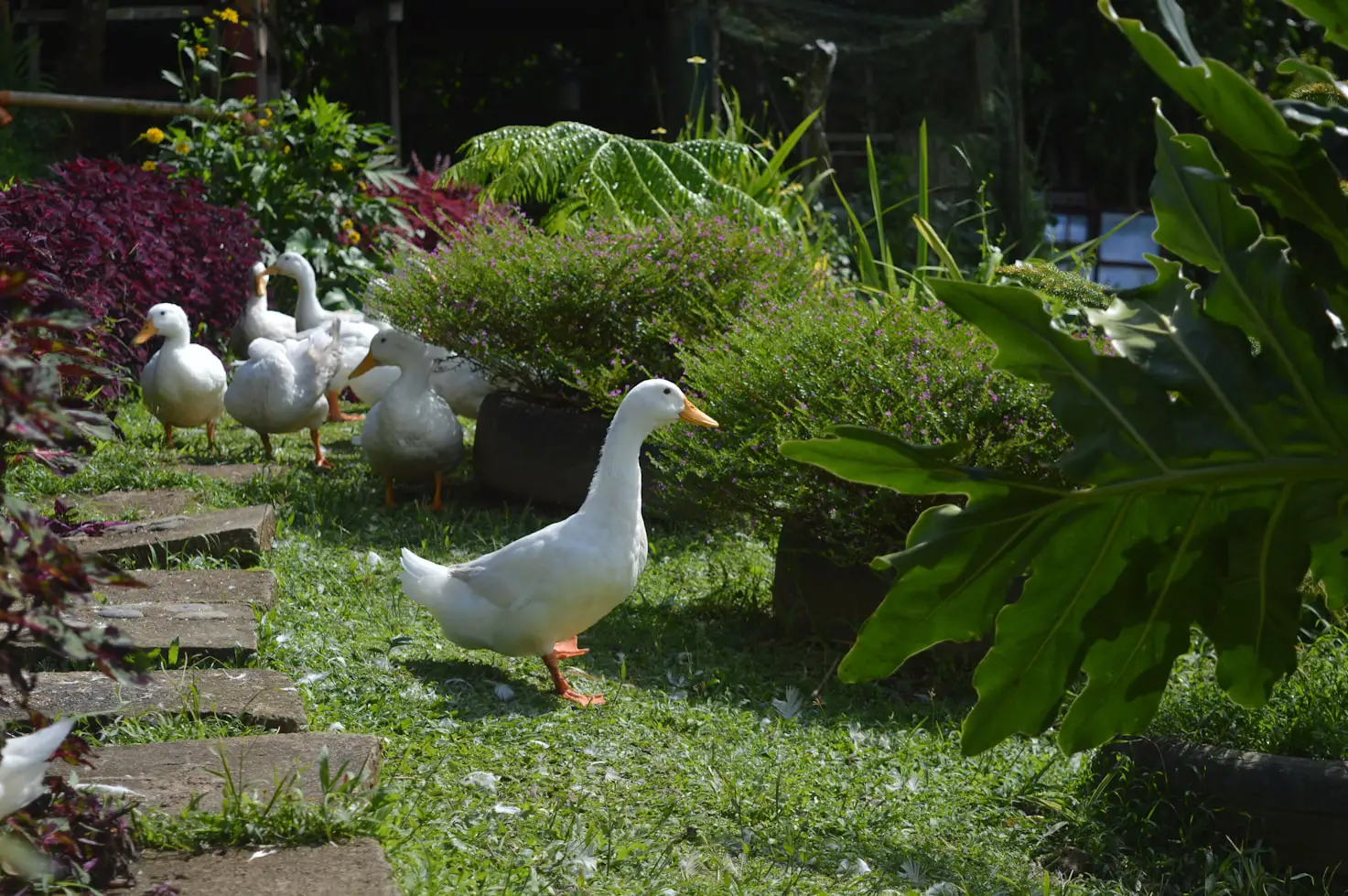

There is something undeniably charming about watching a few ducks waddle around a backyard. For many gardeners, the dream is a peaceful co-existence: the ducks eat the slugs, and the garden stays lush and green. But then comes the big question that keeps every plant lover awake at night: Will ducks actually devour my garden instead?
While ducks are fantastic at natural pest control, they also come with a healthy appetite that doesn’t always distinguish between a pesky weed and your prize-winning lettuce. If you’ve been wondering whether these feathered visitors are a blessing or a floral disaster waiting to happen, you’re in the right place.
In this guide, we’ll explore the truth behind ducks’ eating habits, balancing the incredible benefits they bring with the very real risks to your greenery. From clever management tips to practical protection strategies, here is everything you need to know about keeping your garden flourishing while sharing it with your duck friends.
Will Ducks Really Eat Your Garden? Here’s the truth.
Ducks are omnivores and can eat a variety of plants, insects, and small aquatic animals. When you ask, “Will ducks eat garden plants?” the answer is yes, they can nibble on vegetables, flowers, and young seedlings if hungry or curious. However, the extent to which ducks will eat your garden depends on their diet and the availability of other food sources. If natural food is scarce, ducks may cause more damage by eating plants in your garden. Awareness and proper management can prevent excessive harm.
Should You Let Ducks in Your Garden? Pros and Cons
Allowing ducks in your garden has both advantages and drawbacks. On the positive side, ducks eat pests and insects, reducing the need for chemical pesticides. They also fertilize soil naturally with their droppings. On the downside, if ducks eat your garden plants excessively, it can cause damage and disrupt your landscaping. Deciding whether to let ducks roam freely depends on your tolerance for some plant damage versus the benefits of pest control. Allowing ducks in your garden has both advantages and drawbacks. On the positive side, ducks eat pests and insects, reducing the need for chemical pesticides. They also fertilize soil naturally with their droppings. The domestic duck has been raised for meat, eggs, and down for thousands of years, making them a versatile addition to any homestead.
The “Mud Factor”: How to Manage Duck Mess
While we often focus on what ducks eat, every experienced gardener knows that their feet can sometimes be more destructive than their beaks. Ducks are water-obsessed, and where there is water, there is mud. If left unmanaged, a small flock can quickly turn a lush patch of grass into a slippery brown mess, especially near birdbaths or low-lying spots.
To prevent your garden from becoming a swamp, try to place your water source in a well-drained area, like a gravel pad or a wooden deck. Rotating their foraging spots also gives your soil and grass a chance to recover. Remember, a little bit of mud is part of the charm, but a ‘mud-management’ plan will keep both your garden boots and your plants much cleaner! To manage the mess ducks create around water, many experts agree that wood chips are good for a garden as a durable and absorbent pathway material.
Top 5 Plants Ducks Love to Munch On
If you’re concerned about ducks eating your garden, it’s helpful to know which plants attract them the most. Ducks tend to favor tender leafy greens like lettuce, spinach, and kale. They also enjoy peas, strawberries, and water-loving plants such as watercress. Knowing these preferences can help gardeners protect vulnerable plants or choose species less appealing to ducks, reducing the risk of damage.
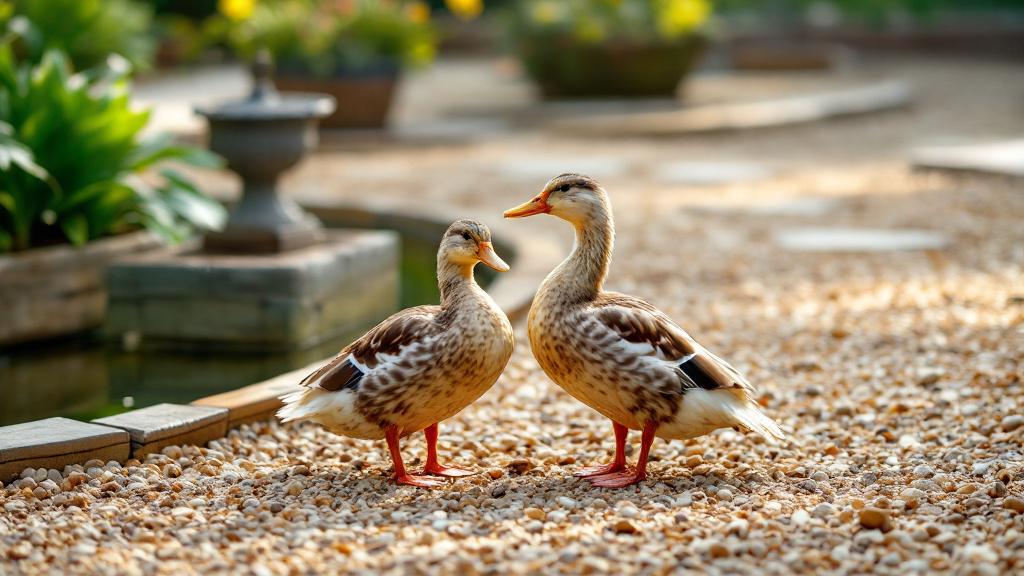
Ducks in the Garden: Helpful Allies or Hidden Threat?
Ducks can be both beneficial and harmful in garden settings. As natural pest controllers, they consume slugs, snails, and harmful insects, improving plant health. However, their digging and foraging habits can disturb soil and damage delicate plants. Ducks also tend to leave droppings that, while natural fertilizer, may require cleaning to maintain garden hygiene. Balancing their pros and cons is key to successfully integrating ducks into your garden.
How to Duck-Proof Your Garden: Simple Tips That Work
Protecting your garden from ducks requires simple, effective strategies. Installing low fences or barriers can prevent ducks from accessing sensitive areas. Using netting over plants or raised garden beds keeps ducks at bay. Providing ducks with designated feeding spots away from your plants can reduce their interest in your garden. Regular monitoring and gentle deterrents ensure your garden remains safe without harming the ducks.
Do Ducks Help by Eating Pests in the Garden?
Yes, ducks are excellent natural pest controllers. Ducks eat a variety of insects, including slugs, snails, and beetles that commonly harm garden plants. Their appetite for pests reduces the need for chemical pesticides, promoting organic gardening. By encouraging ducks in your garden, you can maintain healthier plants and reduce infestations naturally, making ducks valuable allies in sustainable gardening.
Plants Ducks Tend to Avoid (And Why)
While ducks eat many plants, they tend to avoid those with strong scents or tough textures. Plants like lavender, rosemary, marigolds, and daffodils are generally left untouched by ducks. These plants often contain compounds that deter herbivores. Planting these species strategically can help protect your garden by discouraging ducks from feeding on more vulnerable plants.
What to Watch Out for When Ducks Roam Your Garden
When ducks roam your garden, watch for signs of damage such as chewed leaves, dug-up soil, or trampled seedlings. Ducks can also create muddy areas near water sources, which may affect soil health. Their droppings, while nutritious, can accumulate and require regular cleaning. Being vigilant allows you to address problems early and maintain a balanced environment for both your plants and ducks.
Natural Ways to Keep Ducks from Damaging Your Garden
To keep ducks from damaging your garden naturally, consider planting duck-resistant species and using physical barriers like fencing or netting. Providing alternative food sources and water away from your garden can distract ducks. Using reflective objects or safe deterrents may also discourage ducks from lingering too long. These methods protect your plants without harming the ducks or disturbing the ecosystem.
Ducks vs. Chickens: Which is Better for Your Garden?
If you’re debating between adding ducks or chickens to your backyard, it’s a tough choice, but ducks often take the lead for gardeners. Unlike chickens, ducks don’t have the same ‘scratching’ instinct that can ruin mulch and uproot delicate seedlings in seconds. Ducks are much gentler on the soil structure, preferring to dabble and probe with their bills rather than tear things up with their claws.
However, chickens are better at clearing out tough weeds, while ducks are the undisputed kings of slug and snail control. If your main goal is to protect your plants from slimy pests without destroying your landscaping, a few ducks might be the ‘gentle’ workers you’ve been looking for.
What Experts Say About Keeping Ducks in a Backyard Garden
At the end of the day, the consensus among gardening experts is clear: ducks can be a fantastic, hard-working addition to your backyard, provided they are managed with a bit of common sense. They aren’t just pets; they are nature’s little pest controllers, keeping slugs and snails at bay while adding character to your outdoor space.
However, the secret to a successful ‘duck-garden’ relationship lies in balance. By monitoring their behavior and putting simple preventive measures in place, like fencing off your most vulnerable seedlings, you can enjoy the benefits without the heartbreak of a flattened flower bed. With a little bit of planning and proper care, you truly can have the best of both worlds: a flourishing, green garden and a happy, waddling flock co-existing in perfect harmony.


