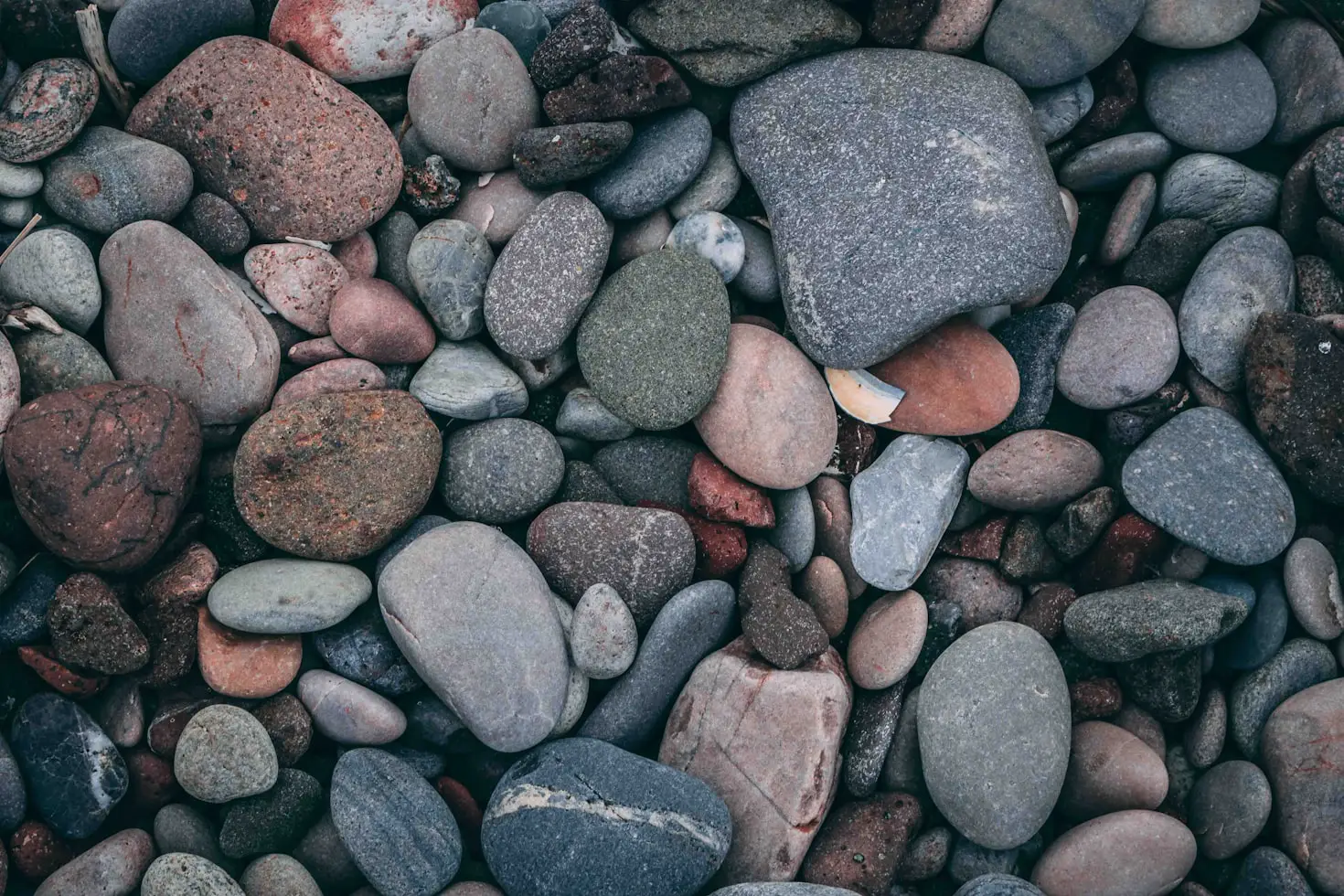

Rocks are one of the most versatile and timeless materials in landscaping and home projects. Whether you’re building a rock garden, lining a pond, creating a pathway, or decorating flower beds, natural stones can elevate your space instantly. But buying rocks in bulk can be surprisingly expensive—especially if you need large quantities for landscaping.
The good news is, with a little effort and creativity, you can find rocks for free from many legitimate sources. The trick is knowing where to look, how to ask permission, and how to collect safely.
In this guide, we’ll explore practical, ethical, and legal ways to get free rocks for your garden or home projects, along with useful tips on transportation and preparation.
1. Start Close to Home
Before heading out in search of free materials, check your own property first.
If you’ve recently dug up part of your yard, removed old flowerbeds, or done any excavation work, you may already have rocks hiding beneath the surface. Many properties—especially in rural or hilly areas—have stones buried in the soil that can easily be collected and reused.
Walk through your garden after heavy rain; rainfall often exposes small to medium-sized rocks. Over time, you can build a nice pile of natural stones just from what appears in your own soil.
2. Ask Neighbors and Friends
One of the easiest and most overlooked ways to get free rocks is by simply asking people you know.
Many homeowners have unwanted rocks from old landscaping projects. They may have replaced rock mulch with bark, removed a stone pathway, or dug up rocks while gardening. In most cases, they just want to get rid of the pile—and will happily let you take it for free if you handle the hauling.
Post a quick message on your neighborhood group or local chat, something like:
“Hi everyone! I’m working on a rock garden project and looking for natural stones or landscaping rocks. If anyone has extras you’d like to get rid of, I’d be happy to pick them up!”
A friendly message like that can often yield surprising results.
3. Use Online Marketplaces
In the age of digital networking, there are plenty of websites and apps where people give away materials for free. Check regularly because new listings appear all the time.
Popular platforms include:
- Facebook Marketplace: Search for “free rocks,” “free stones,” or “landscaping materials.” Filter by location to find listings nearby.
- Craigslist: Go to the “Free” section under “For Sale.” Many homeowners post piles of rocks they want removed.
- Nextdoor: Local community app where neighbors share unwanted materials.
- Freecycle: A global network where people give away items instead of throwing them out.
When using these sites, always check safety first—meet in daylight, confirm pickup details clearly, and if possible, take someone along.
4. Construction and Demolition Sites
Construction and demolition projects often generate piles of unwanted materials—concrete, bricks, gravel, and natural rocks. If you see a local site, it’s worth politely asking if they have rocks they’re discarding.
Approach the site manager or foreman and explain your purpose clearly:
“Hi, I’m working on a small garden project and wondered if you have any extra rocks or rubble you’d like to get rid of. I can haul them myself.”
Sometimes they’ll let you take stones or broken concrete pieces that can be reused in landscaping.
Important: Always get permission before taking anything. Trespassing or removing materials without consent is illegal and unsafe.
5. Farmers and Rural Properties
If you live near farmland or rural areas, farmers are often glad to give away rocks. Fields naturally produce stones every season due to soil movement and erosion. Farmers usually collect these rocks to clear the land for planting, and they often pile them up along fence lines.
If you drive through rural areas, you may notice these piles. The best way to approach is to ask politely—either by stopping in person or leaving a note. Most landowners will say yes if you’re respectful and haul the rocks yourself.
Just make sure you clarify which rocks you’re allowed to take and avoid damaging any fencing or crops.
6. Riverbeds and Creek Banks
Natural riverbeds and streams are some of the best places to find smooth, rounded stones perfect for garden designs. However, it’s crucial to understand the local laws before collecting.
In many areas, taking rocks from public waterways, parks, or nature reserves is illegal because it can disturb ecosystems and cause erosion. But there are exceptions:
- Private land with permission: If a creek runs through private property and the owner allows it, you can collect small amounts responsibly.
- Roadside drainage ditches: Sometimes after rain or roadwork, rocks wash into roadside areas that are not protected lands.
Always check with your local environmental or parks department before taking anything from natural areas. Responsible collection protects habitats and avoids fines.
7. Landscaping Companies and Nurseries
Landscaping supply businesses often have leftover stones, broken bags, or odd pieces that they can’t sell. Visiting these companies and asking if they have any free offcuts or discards can pay off.
For example, a stone supplier may have chipped slabs or misshapen pieces left after cutting orders. They may let you take them away at no cost, especially if you’re polite and flexible.
When visiting, bring a vehicle that can handle weight safely—rocks can be surprisingly heavy.
8. Roadwork and Utility Projects
Public road or utility construction often involves excavation. Crews dig up rocks, concrete, and soil that sometimes ends up as waste. If you see a project in your area, ask the workers or supervisors whether they’re discarding stones.
Sometimes local municipalities even post public notices when they have excess fill or rock available for pickup. You can contact your public works department or city hall and ask if they maintain a list of free materials.
If allowed, bring gloves, a shovel, and a sturdy vehicle or trailer.
9. Quarries and Gravel Pits
Although quarries usually sell stone, some have scrap or reject piles they want removed. These might include small, irregular, or broken rocks that can’t be used commercially.
Call nearby quarries and ask whether they have a “waste pile” or “leftover rock” area open to the public. Offer to haul the materials yourself.
Sometimes they’ll charge a minimal fee, but often it’s free if you pick it up.
10. Abandoned Lots or Old Construction Sites
Old, unused lots, especially those once used for construction, may have leftover rubble or stones lying around. However, this is an area where permission matters most.
Before taking anything, find out who owns the property (you can usually check with your local county office or land registry). Once you get in touch with the owner, most are happy to let you remove debris since it saves them cleanup costs.
Always wear gloves and safety gear if handling materials from abandoned places, as they may contain nails or sharp edges.
11. Recycling Centers or Landfills
Some recycling or waste centers have separate sections for construction materials. You can sometimes find piles of stone, brick, or concrete available for free to the public.
Call your local recycling or waste management office and ask if they allow material recovery. Certain centers encourage reuse and will even help you load the rocks safely.
This is an eco-friendly way to source materials and reduce landfill waste.
12. Tips for Collecting and Transporting Rocks
Getting rocks for free is rewarding, but it requires care and preparation.
- Bring the right tools: Shovel, gloves, buckets, wheelbarrow, and sturdy shoes.
- Use a safe vehicle: A truck or trailer with good suspension. Don’t overload it—rocks are heavy.
- Be respectful: Always get permission and leave the area cleaner than you found it.
- Avoid protected areas: National parks, riverbeds, and wildlife zones are usually off-limits.
- Sort and clean: Once home, wash rocks with water to remove dirt, moss, or insects.
By following these steps, you’ll not only collect rocks safely but also build good relationships with your community.
Finding free rocks might take time and effort, but it’s absolutely possible—and worth it. You’ll save money, recycle materials, and give your garden a personal touch that store-bought stone can’t match.
Start with your own property, then expand your search through friends, online groups, and local construction projects. Always collect ethically and safely, and never remove rocks from protected natural environments.
With patience and creativity, you can gather everything you need to create stunning garden designs—without spending a cent.


