
Gardening in Alabama is honestly a treat. We get such a long growing season to play with, but if you don’t get your timing right, the humidity or a surprise frost can ruin your hard work. Our winters are usually mild, but those Alabama summers? They are incredibly hot. This means you can actually plant a garden in Alabama multiple times a year, but you have to know exactly when to move.
Whether you’re up in the northern hills, sticking to the central plains, or down in the sunny south, timing is everything. If you hit that ‘sweet spot,’ your plants will be way healthier, and your harvest will be huge. In this guide, I’m going to break down how Alabama’s seasons actually work and give you some practical tips so you can plant with 100% confidence.
1. Understanding Alabama’s Growing Seasons
In Alabama, we are lucky enough to have two main windows for growing our own food:
-
Cool-Season Crops: These usually run from late winter into early summer, and then we get a second chance with them in the fall or early winter.
-
Warm-Season Crops: This is the classic summer period that starts as soon as the spring chill fades and lasts until the first real frost of autumn.
Since Alabama is quite large and covers USDA Zones 7b through 9a, your exact planting dates will change depending on where you live. It really comes down to tracking the last frost of spring and the first frost of fall. For example, if you are in Central Alabama, you can usually expect the last frost around late March or April, but if you’re up in the northern part of the state, you’ll definitely need to wait a bit longer.
2. Spring Planting: When to Start
a) Cool‐season spring crops
Once the biting cold starts to ease up, it is time to get your cool-season veggies in the ground. If you are in Central Alabama, you can actually start with things like beets, lettuce, and spinach as early as February. By the time March rolls around, it’s a great window to start directly sowing seeds or transplanting other hardy crops. I always suggest keeping an eye on local guides, like the ones from the Alabama Cooperative Extension System, to get the timing just right. Following these local expert dates ensures your peas, onions, and radishes get the best start possible before the summer heat kicks in
b) Warm‐season spring plantings
As the weather truly warms up and we’re sure the frost is gone, we can finally move on to the summer favorites. In Central Alabama, the sweet spot for this is usually late March through April. You want to wait until the nighttime temperatures consistently stay above 50 to 55 degrees Fahrenheit. This gives the soil enough time to warm up so the roots of your plants don’t get a shock.
The general rule of thumb used by local experts is simple: if you are in South Alabama, you can usually plant about 10 days earlier than the central dates. If you are in North Alabama, it’s safer to wait about 10 days. For instance, someone in the south might have their tomatoes in the ground by late February, while a gardener in the north is still waiting for mid-April.
c) Example spring planting windows
-
North Alabama: It is usually best to wait until mid-April or even May for your warm-season crops.
-
Central Alabama: Your best window for summer planting is typically mid to late April.
-
South Alabama: You can often get a head start as early as late February or the beginning of March for many crops.
3. Fall Planting: A Second Season
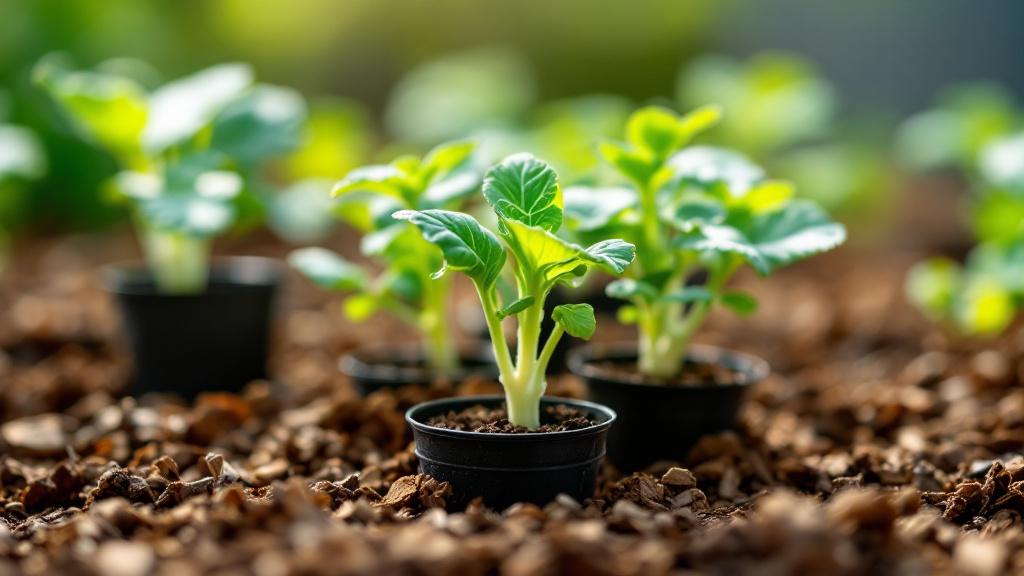
One of the biggest perks of gardening in Alabama is that we get a second shot at it. As that brutal summer heat finally starts to fade, a lot of vegetables actually prefer the cooler autumn air.
a) Fall planting windows
If you look at local experience, fall prep actually starts while it’s still hot in July and August. For instance, I’ve found that getting beets in the ground between July 15 and August 15 works best. For cabbage, you really want those transplants settled in by early August. September is what we often call our “second spring”—it’s the perfect time across the state to get broccoli, cauliflower, and carrots going. Just remember, if you’re in South Alabama, you can play it a bit slower since the frost stays away longer, but North Alabama gardeners need to wrap things up much earlier.
b) What to plant in the fall
Autumn is prime time for greens like kale, collards, spinach, and mustard greens. It’s also the ideal window for root crops like carrots and turnips. If you aren’t planting veggies, use this time for cover crops to fix your soil for next year.
c) Regional fall timing example
-
Northern Alabama: Start as early as July or August because the first frost comes fast.
-
Central Alabama: Mid-August through September is usually the sweet spot.
-
Southern Alabama: You can often keep planting well into October.
4. Regional Considerations Across Alabama
Alabama is a big state with very different climates, so you have to tweak your schedule based on where your backyard actually is.
-
South Alabama (Zones 8b–9a): You get a much longer warm season. You can plant earlier in spring and keep harvesting way into the fall.
-
Central Alabama (Zone 8a): Places like Birmingham follow a pretty moderate schedule, usually sticking close to the standard ACES charts.
-
North Alabama (Zone 7b–8a): Your summer is shorter. You have to wait longer in the spring and rush your fall crops before the freeze hits. The Golden Rule: If you’re in the South, go 10 days earlier for spring. In the north, wait 10 days.
5. Crop Timing Tips: What Goes When
Here’s a simplified breakdown of when to plant certain types of crops in Alabama.
Cool‐Season Spring (late winter to early spring)
Here’s a quick cheat sheet for your Alabama garden:
-
Cool-Season Spring: Get your lettuce, peas, and radishes in as soon as the soil isn’t a muddy mess (usually Feb-Mar).
-
Warm-Season Spring: Wait for those nights to stay warm before putting out tomatoes, peppers, and eggplants (typically mid-to-late April).
-
Fall/Winter: August and September are your months for a fresh round of beets, carrots, and broccoli.
Warm‐Season Spring
- Tomatoes, peppers, and eggplant: transplant after the last frost and when nights are reliably warm (often mid/late April in central Alabama).
- Beans, squash, cucumbers: direct-sow when soil is warmed (late April/May).
Fall/Winter (Cool Season)
- August–September: Sow beets, carrots, turnips, and radishes in many parts of Alabama.
- Transplant broccoli, cabbage, and onions: August in central Alabama.
- Cover crops or overwintering plantings: late summer/fall.
6. Factors that Influence Timing
Don’t just blindly follow a calendar; keep an eye on these:
-
Frost Dates: Know your local “danger zone” for the first and last freezes.
-
Soil Temperature: Summer crops hate cold “feet” (roots), so wait for the ground to warm up.
-
Weather Shifts: Every year is a bit different. If we have a weirdly wet spring, you might need to push your dates back a week.
7. Soil Preparation & Timing Together
Planting is the easy part; the prep is what makes or breaks your harvest. Always test your soil pH before the season starts. Also, a big tip for Alabama: our clay soil can get really heavy. You can easily avoid drainage issues by using raised garden beds, which allow you to control the soil texture from day one. Never try to work the soil when it’s soaking wet, or you’ll end up with hard clumps that stay that way all season.
8. Example Schedule for Central Alabama
-
February: Start your peas and hardy greens.
-
March: Get those tomato seedlings started indoors.
-
April: This is the big move; get your summer favorites into the garden.
-
August: Start your second wave with fall carrots and broccoli.
-
October/November: Final harvests and tucking the garden in with cover crops.
Always check local data (e.g., ACES) for your specific county.
9. Common Mistakes & How to Avoid Them
The most common slip-up? Planting summer crops like tomatoes way too early because of one warm week in March. Don’t fall for it! Also, don’t ignore the North-South difference; Alabama is too diverse for a “one size fits all” date. And whatever you do, don’t skip the fall season; it’s often the most rewarding time to garden here.
Timing is your most powerful tool.
In Alabama, timing is everything. Once you get a feel for your local frost dates and soil, the rest just falls into place. Whether you’re starting in the chilly mornings of February or the humid afternoons of August, the opportunity to grow is always there. Grab your tools and get started!
Start with good soil preparation and pick the right planting date for your region and crop, and you’ll enjoy a productive garden in Alabama’s long growing season.


