


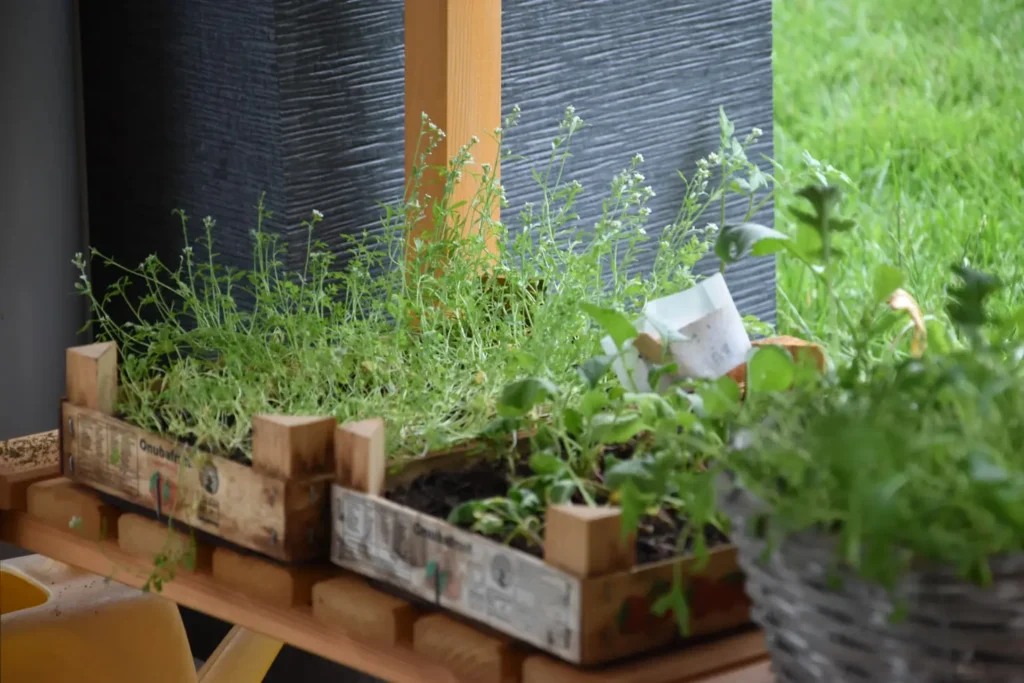
Herbs are some of the most rewarding plants to grow, offering fresh flavors, aromas, and even medicinal benefits. Whether you are cultivating basil, rosemary, parsley, or thyme, knowing the best time to plant herbs outside is critical for healthy growth and a productive harvest. Planting too early or too late can stunt growth, reduce yields, or even kill tender plants.
This guide will help you determine when and how to plant herbs outdoors based on climate, season, and herb type, while providing tips for soil preparation, companion planting, and ongoing care.
Understanding the Importance of Timing
Planting herbs at the correct time is crucial because herbs are sensitive to temperature, sunlight, and moisture. Poor timing can result in:
- Slow or stunted growth
- Susceptibility to pests and diseases
- Flowering before leaves have developed fully
- Frost damage in tender herbs
Two main factors determine the right planting time: climate zone and herb type.
1. Know Your Climate Zone
Different regions have different frost dates, sunlight patterns, and rainfall schedules. The USDA Plant Hardiness Zone Map is a useful tool for gardeners worldwide to identify safe planting windows.
Identifying your region’s climate is the first step. You can explore more about understanding plant hardiness zones for gardening to find the perfect planting window for your area.
- Temperate Zones: Spring frost dates are key. Plant after the last frost in spring and before the first frost in autumn.
- Tropical/Subtropical Zones: Herbs can often be planted year-round, but avoid extreme heat or rainy seasons for sensitive varieties.
- Cold Climates: Short growing seasons require starting herbs indoors or under cover before transplanting outside.
Tip: Check local frost dates and average temperature ranges before planning outdoor planting.
2. Consider the Type of Herb
Herbs can be classified into annuals, biennials, and perennials, and their planting timing differs.
A. Annual Herbs
Annual herbs complete their life cycle in one season. They are sensitive to frost and cold temperatures.
Examples: Basil, Cilantro, Dill, Parsley (technically a biennial but often grown as an annual), Chervil
- Planting Time:
- After the last frost of spring
- When soil temperatures reach 60–70°F (15–21°C) for warm-season herbs like basil
- Notes:
- Basil is frost-sensitive and must be planted after the danger of frost has passed.
- Cilantro prefers cooler temperatures and can be planted slightly earlier in spring.
B. Perennial Herbs
Perennials return year after year and are generally more tolerant of varying temperatures, but young plants are still vulnerable to frost.
Examples: Rosemary, Thyme, Sage, Oregano, Chives, Mint, Lavender
- Planting Time:
- Early spring is best for transplanting outdoors, allowing roots to establish before summer heat.
- Some hardy perennials can be planted in late summer or early autumn in mild climates.
- Notes:
- Protect young perennials with mulch during winter in colder regions.
- Established perennials can tolerate frost but may die back above ground.
C. Biennial Herbs
Biennials grow vegetatively in the first year and flower in the second. Common examples include parsley and caraway.
- Planting Time: Similar to annuals, after the last frost in spring
- Notes: They may survive mild winters, but in colder zones, overwintering indoors may be necessary.
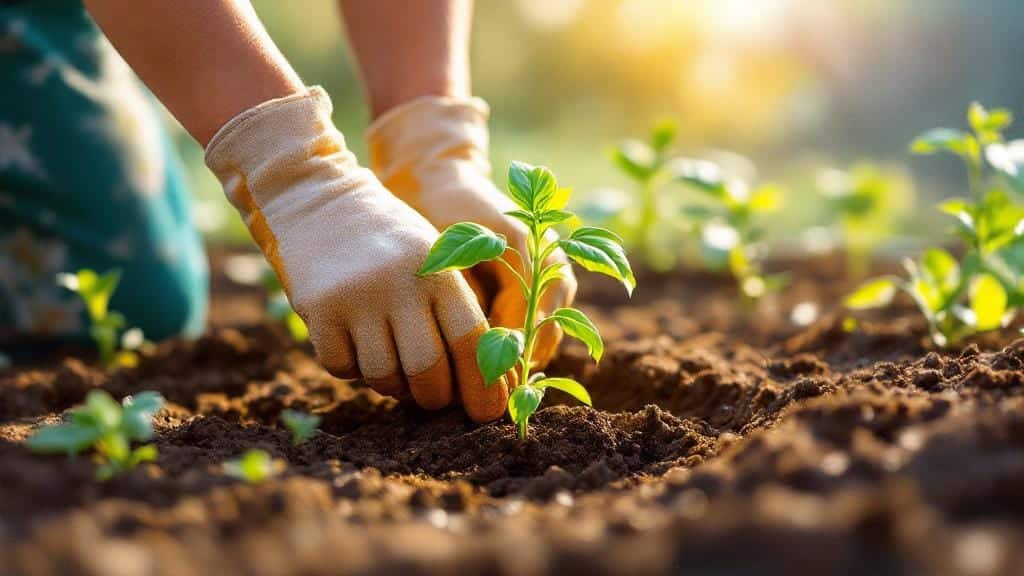

3. Soil Temperature Considerations
Herbs are sensitive to soil temperature, which affects germination, root development, and nutrient uptake:
- Warm-season herbs (Basil, Dill, Coriander): Prefer soil above 60°F (15°C).
- Cool-season herbs (Parsley, Chives, Cilantro): Can germinate in soil as cool as 45–50°F (7–10°C).
Tip: Use a soil thermometer to check if conditions are suitable for planting, especially in early spring.
4. Planting Calendars by Season
Spring Planting
- Ideal for most herbs, especially annuals and tender perennials.
- Prepare soil by loosening and enriching with compost.
- Gradually harden off seedlings grown indoors before transplanting.
Herbs to Plant in Spring: Basil, Cilantro, Parsley, Dill, Chives, Sage
Summer Planting
- Warm-season herbs thrive when temperatures are consistently high.
- Ensure adequate watering and partial shade for sensitive herbs during heat waves.
Herbs to Plant in Summer: Basil, Oregano, Rosemary, Thyme
Autumn Planting
- Suitable for hardy perennials in mild climates.
- Planting now allows roots to establish before winter.
Herbs to Plant in Autumn: Thyme, Sage, Oregano, Mint
Winter Planting
- Only in mild climates or using protective methods (greenhouses, cloches, row covers).
- Most tender herbs should be overwintered indoors.
5. Preparing the Outdoor Site
Once the planting time is right, site preparation ensures healthy herbs:
- Choose a Sunny Spot: Most herbs need 6–8 hours of sunlight daily.
- Soil Preparation:
- Well-draining soil is critical.
- Mix garden soil with compost, sand, or perlite for loose, fertile soil.
- Raised Beds or Containers: Useful for controlling soil quality and drainage
- Spacing: Avoid overcrowding to prevent disease and ensure airflow.
6. Transplanting Seedlings Outdoors
If you started herbs indoors, follow these steps for transplanting:
- Harden Off Seedlings: Gradually expose plants to outdoor conditions for 7–10 days.
- Water Well Before Transplanting: Helps reduce transplant shock.
- Plant at the Right Depth: Match the depth of the root ball to avoid burying stems too deeply.
- Mulch Around Plants: Helps retain soil moisture and moderates temperature.
7. Direct Sowing Outdoors
Some herbs, especially annuals and cool-season herbs, can be sown directly into prepared garden soil:
- Cool-Season Herbs: Parsley, Chives, Cilantro. Sow 2–4 weeks before the last frost.
- Warm-Season Herbs: Basil and dill sow after the last frost when the soil is warm.
- Spacing: Follow recommended spacing for mature plant size.
Tip: For succession planting, sow seeds every 2–3 weeks for a continuous harvest.
8. Microclimate Considerations
- Wind Protection: Sheltered spots prevent damage to delicate herbs.
- Reflective Heat: South-facing walls can warm soil and extend the growing season.
- Shade for Hot Regions: In extreme heat, afternoon shade helps tender herbs like basil and parsley.
9. Common Mistakes to Avoid
- Planting Too Early: Frost-sensitive herbs may die if planted before the last frost.
- Ignoring Soil Temperature: Even after frost passes, cold soil slows growth.
- Overcrowding: Limits airflow, increasing disease risk
- Mismatched Watering Needs: Pair herbs with similar moisture requirements.
- Neglecting Sunlight: Herbs that get too little sun become leggy and weak.
10. Ongoing Care After Planting
- Watering: Keep soil consistently moist for annual herbs, while Mediterranean perennials prefer drier conditions. Consistent moisture is key for young plants. To avoid mistakes, read our detailed guide on how much water do herbs need to keep your garden thriving.
- Fertilization: Light feeding with compost or balanced organic fertilizer encourages growth.
- Pruning and Harvesting: Regular harvesting encourages bushy growth and prevents flowering for flavor preservation.
- Mulching: Reduces soil temperature fluctuations and retains moisture
11. Regional Considerations
- Northern Temperate Zones: Plant herbs after the last spring frost; may need summer season extensions.
- Southern Temperate Zones: Cool-season herbs planted in autumn for winter growth; warm-season herbs planted in spring.
- Tropical Regions: Herbs can often be planted year-round; avoid planting during monsoon or extremely hot periods.
Knowing when to plant herbs outside is essential for maximizing growth, flavor, and productivity. The timing depends on frost dates, soil temperature, sunlight, and the type of herb: annual, biennial, or perennial.
- Spring: Best for most herbs, especially frost-sensitive annuals
- Summer: Ideal for heat-loving herbs
- Autumn: Suitable for hardy perennials in mild climates
- Winter: Only in mild regions or using protection methods
Proper soil preparation, sunlight, watering, and care are equally important. By understanding your climate and the needs of each herb, you can plan a planting schedule that ensures lush, flavorful, and productive herbs year-round.
Growing herbs outside is not only practical for cooking but also enhances your garden with fragrance, beauty, and biodiversity. Plant at the right time, nurture carefully, and enjoy the rewards of fresh herbs right from your outdoor garden.