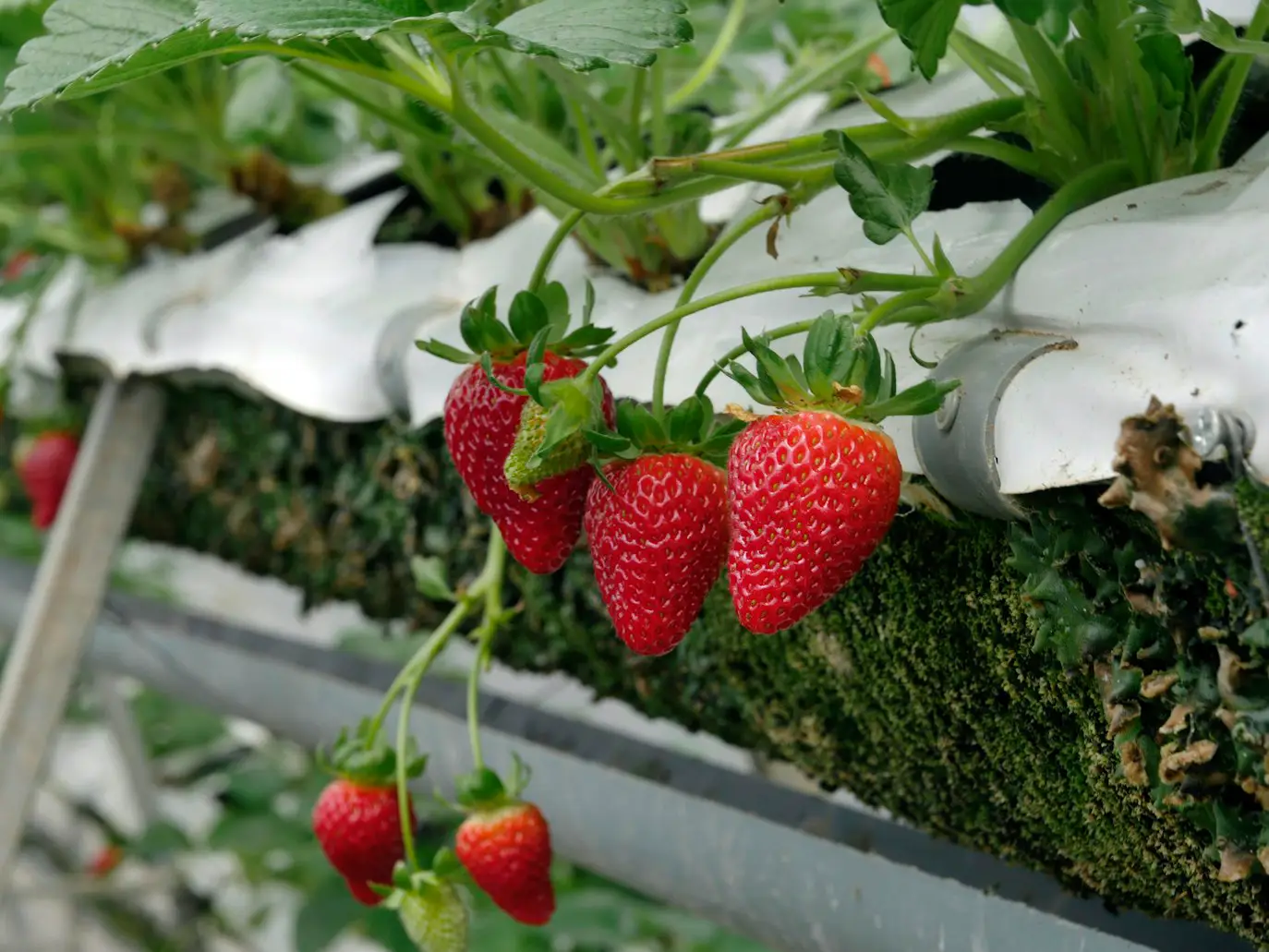

Growing strawberries in raised bed gardens is a rewarding experience, but companion planting can make a significant difference in yield and plant health. Knowing what to plant with strawberries in raised bed ensures your garden thrives, deterring pests, enriching the soil, and attracting beneficial insects. Companion plants can improve strawberry growth by providing natural pest control, shade, or nutrients. When planning your raised bed, it’s important to select vegetables, herbs, and flowers that complement strawberries rather than compete with them. Strategic planting maximizes space, improves soil quality, and enhances fruit flavor.
Why Companion Planting Boosts Strawberry Growth
Companion planting plays a vital role when growing strawberries in raised bed setups. Certain plants improve soil structure, repel pests, or attract pollinators, directly boosting strawberry health. For example, herbs like thyme or chives can deter harmful insects, while flowers like marigolds attract beneficial bugs. Planting compatible vegetables alongside strawberries ensures each species thrives without competing for nutrients or sunlight. This practice also reduces disease spread, as diversity in a raised bed creates a natural balance. Knowing what to plant with strawberries can prevent common issues, increase fruit size, and enhance overall plant vigor, making your raised bed garden more productive and sustainable.
The Best Vegetables to Plant with Strawberries
Several vegetables complement strawberries in raised bed gardens perfectly. Lettuce, spinach, and arugula are low-growing vegetables that don’t shade strawberry plants, allowing proper sunlight for fruit development. Onions, garlic, and other alliums can deter pests while improving strawberry flavor. Root vegetables such as carrots or radishes thrive without disturbing strawberry roots. Avoid dense or tall crops that compete for nutrients or sunlight. Choosing the right vegetables to plant with strawberries in raised bed maximizes space, reduces pest problems, and increases overall harvest. Companion planting creates a thriving ecosystem where both strawberries and vegetables flourish together.
Herbs That Keep Pests Away from Strawberries
Certain herbs are natural defenders for strawberries in raised bed gardens. Chives, garlic, thyme, and mint repel common strawberry pests like aphids and slugs. Basil and oregano can attract beneficial insects while enhancing soil health. Planting herbs near strawberries not only reduces the need for chemical pesticides but also improves the garden’s overall biodiversity. When deciding what to plant with strawberries, incorporating aromatic herbs is a simple, effective strategy to maintain plant health. These herbs can be interplanted in gaps or along the edges of the raised bed, creating a natural pest barrier while keeping your strawberries flourishing.
Flowers That Attract Pollinators to Your Strawberries
Flowers play a key role in increasing the productivity of strawberries in raised bed gardens. Marigolds, borage, and nasturtiums attract bees and other pollinators essential for fruit development. Flowering plants can also repel harmful insects and add beauty to your raised bed. Companion flowers improve biodiversity, enhancing the overall ecosystem around your strawberries. By selecting the right blooms, you support both pollination and pest control. When planning what to plant with strawberries in raised bed, consider including colorful, pollinator-friendly flowers to ensure higher yields and healthier plants, creating a vibrant and productive garden space.
Plants to Avoid Planting Near Strawberries
Not all plants pair well with strawberries in raised bed gardens. Avoid planting members of the cabbage family, such as broccoli or cauliflower, as they compete for nutrients and may stunt strawberry growth. Potatoes can increase the risk of soil-borne diseases, while nightshade vegetables like tomatoes may attract pests harmful to strawberries. Climbing plants, such as beans or peas, can overshadow low-growing strawberries, reducing sunlight exposure. Understanding what to plant with strawberries also means recognizing incompatible species. Keeping strawberries away from these plants ensures healthier growth, prevents disease, and maintains optimal productivity in your raised bed garden.
How to Space Companion Plants in a Raised Bed
Proper spacing is crucial when growing strawberries in raised bed gardens alongside companion plants. Crowding can reduce airflow, increase disease risk, and stunt growth. Leafy vegetables and herbs should be planted at least 6–12 inches apart from strawberries. Low-growing flowers can be placed closer to the edges, while taller companions should not shade the fruit. Using vertical supports for climbing plants ensures they don’t compete for space. Planning what to plant with strawberries in raised bed carefully helps maintain adequate spacing, sunlight exposure, and nutrient availability, creating a balanced, healthy garden ecosystem.
Seasonal Pairings: What Works in Spring, Summer, and Fall
Companion planting varies by season for strawberries in raised bed gardens. In spring, plant leafy greens and herbs alongside young strawberries. Summer is ideal for pollinator-friendly flowers and drought-tolerant companions. Fall offers opportunities to plant garlic, onions, and cover crops to enrich soil for the next season. Seasonal awareness ensures continuous growth, prevents overcrowding, and maximizes yield. Choosing the right plants to pair with strawberries in raised bed for each season reduces pest issues, enhances fruit quality, and maintains soil health year-round. Strategic planning creates a productive and vibrant garden throughout the year.
Using Strawberries in a Mixed Garden for Maximum Yield
Incorporating strawberries in raised bed gardens with other vegetables, herbs, and flowers increases overall productivity. Mixed gardens promote biodiversity, reduce pests naturally, and improve soil health. Low-growing plants like lettuce or spinach allow strawberries adequate sunlight, while aromatic herbs repel harmful insects. Pollinator-friendly flowers enhance fruiting. Understanding what to plant with strawberries ensures each species complements the others without competition. A mixed garden approach maximizes space efficiency, encourages sustainable growth, and produces higher yields. By planning companion planting carefully, gardeners can enjoy a flourishing raised bed full of healthy strawberries and thriving companion plants.
DIY Raised Bed Layout for Strawberries and Companions
Designing a raised bed layout is key when growing strawberries in raised bed with companion plants. Place strawberries in central rows for easy access and sunlight exposure. Surround them with low-growing vegetables and herbs along the edges. Include pollinator-attracting flowers strategically to enhance fruiting. Avoid overcrowding and plan for vertical growth if necessary. Understanding what to plant with strawberries in raised bed helps create a visually appealing and functional layout. A well-thought-out design ensures healthy plant growth, efficient space use, and easier maintenance, ultimately improving strawberry yield and overall garden productivity.
Tips for Maintaining Healthy Soil for Strawberry Companions
Healthy soil is essential for strawberries in raised bed gardens and their companion plants. Use organic compost, mulch, and well-draining soil to promote root health. Rotate crops and add nitrogen-fixing plants to maintain soil fertility. Avoid planting incompatible species that deplete essential nutrients. Regularly monitor pH and moisture levels to support both strawberries and companion plants. Knowing what to plant with strawberries in raised bed helps optimize soil use, prevent nutrient competition, and sustain long-term productivity. Proper soil care ensures stronger plants, higher yields, and a vibrant, thriving raised bed garden.


