


You don’t need a massive backyard to grow a stunning garden. Even a tiny patio, a narrow side yard, or a small raised bed can become a powerhouse of fresh vegetables and beautiful flowers. The secret isn’t the size of the land; it’s how you use it. With a little bit of smart planning, the right choice of plants, and some creative design, you can turn any small space into a thriving, productive oasis that looks great all year round. In this guide, I’ll show you exactly how to make every inch count.
In this guide, we’ll explore what to plant in a small garden bed, including flowers, herbs, vegetables, and shrubs, and how to arrange them for balance, color, and year-round interest.
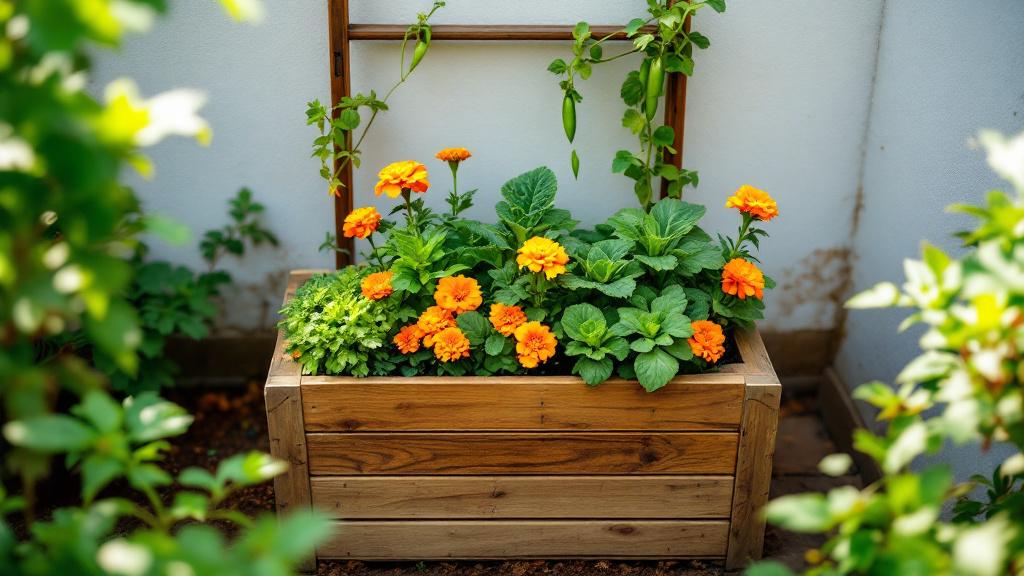

Understanding Your Small Garden Bed
Before deciding what to plant, it’s important to understand your space. Even a few square feet can support a thriving garden if you match plants to the conditions.
Ask yourself:
- How much sunlight does the bed get?
- Full sun (6+ hours): ideal for vegetables, herbs, and sun-loving flowers.
- Partial sun/shade: perfect for ferns, hostas, and shade-tolerant blooms.
- Full shade: select foliage plants or woodland perennials.
- What’s the soil like?
- Clay holds water and benefits moisture-loving plants.
- Sandy soil drains quickly—choose drought-tolerant species.
- Balanced loam gives you the widest range of options.
- How deep is the bed?
- Shallow beds favor groundcovers, herbs, or small annuals.
- Deep beds (12–18 inches) can host larger vegetables and shrubs.
Understanding these basics helps you choose plants that won’t just survive but thrive in your small garden.
Design Principles for Small Spaces
While space might feel like a limitation, it’s actually your best chance to get creative. To make a small garden bed look lush and professionally designed, try these simple principles:
-
Go Vertical: Don’t just plant at ground level. Use trellises, obelisks, or even your garden fence for climbing plants like sweet peas, runner beans, or clematis. It saves floor space and adds a ‘wow’ factor.
-
Layer Your Heights: Think of it like a group photo. Place tall plants in the back, medium-sized ones in the middle, and low-growing groundcovers at the very front to create depth. For a more organized setup, you can also learn what to grow in a raised garden bed to maximize your harvest.
-
Blur the Lines (Edibles + Beauty): Who says vegetables can’t be pretty? Mix colorful herbs and leafy greens with your flowers. They look great together and keep your bed productive.
-
The Power of Repetition: To make the garden feel cohesive, repeat certain colors or leaf textures. This creates a natural flow that leads the eye through the space.
-
Plan for Every Season: Pick plants that work hard all year round; think spring blossoms, deep summer greens, and vibrant autumn foliage, so your garden never looks ’empty.’
Best Plants for a Small Garden Bed
Let’s explore what you can plant, category by category.
1. Vegetables for Small Beds
Compact garden beds are perfect for growing fresh produce if you pick the right varieties.
Leafy Greens
These crops are high-yielding and regrow after cutting:
- Lettuce and Salad Mixes: Grow close together for a continuous harvest.
- Spinach: Prefers cooler weather and partial shade.
- Kale: Baby kale varieties work well in limited spaces.
Root Vegetables
Most root crops need depth, not width.
- Radishes: Mature in as little as 25 days.
- Carrots: Choose short varieties like ‘Paris Market’ or ‘Thumbelina.’
- Beets: Grow both for their roots and colorful greens.
Compact Fruit Vegetables
- Bush Tomatoes: Varieties like ‘Patio Princess’ or ‘Tiny Tim’ are ideal.
- Peppers: Both hot and sweet peppers thrive in sunny beds.
- Zucchini: Try ‘Bush Baby’ or ‘Raven’ compact forms with high yield.
Climbing Crops
When space is tight, go up:
- Pole beans and peas climb easily with vertical support.
- Cucumbers: Mini varieties such as ‘Spacemaster’ perform well on trellises.
Tip: Practice succession planting. After harvesting lettuce, plant basil or beans in the same spot to keep the bed productive all season.
2. Herbs for Small Garden Beds
Herbs are compact, fragrant, and incredibly useful. You can mix them among flowers or vegetables for beauty and function.
- Basil: Loves full sun and warm weather.
- Thyme: A low-growing herb that makes a perfect border.
- Parsley: Adds lush green texture.
- Chives: Produces edible flowers and deters pests.
- Mint: Thrives in moist soil—but plant it in a container to prevent spreading.
- Cilantro (Coriander): Great for cool-season planting.
For a balanced look, alternate tall herbs (like dill or fennel) with shorter, spreading ones.
3. Flowers for Color and Pollinators
Flowers bring life, fragrance, and essential pollinators to small gardens. To keep your blooms vibrant, following a few flower garden tips, like deadheading spent roses or choosing dwarf varieties of perennials, can make a huge difference in such a limited space. Combine annuals for seasonal bursts of color with perennials for structure and longevity.
Compact Annuals
These add instant color and can be replaced each season:
- Marigolds: Bright and pest-repelling.
- Petunias: Excellent edging flowers with continuous blooms.
- Zinnias: Dwarf varieties bring vivid color in the sun.
- Alyssum: Sweetly scented groundcover with cascading blooms.
Perennials
These return year after year and provide long-term structure:
- Lavender: Fragrant, drought-tolerant, and pollinator-friendly.
- Salvia: Adds spikes of blue or purple flowers.
- Coreopsis: Long-blooming and cheerful.
- Echinacea (Coneflower): Hardy and attractive to butterflies.
Climbers
Train vertical plants on trellises for extra height.
- Clematis: Blooms beautifully in small vertical spaces.
- Sweet Peas: Add color and scent with minimal ground use.
4. Small Shrubs and Compact Bushes
Shrubs anchor small beds, offering year-round shape and foliage.
- Boxwood (Buxus): Compact, evergreen, and easy to trim into neat shapes.
- Dwarf Hydrangea (‘Little Lime’ or ‘Bobo’): Adds lush summer blooms.
- Spirea: Low-maintenance with colorful leaves.
- Dwarf Butterfly Bush: Attracts pollinators without overwhelming the bed.
- Heather or Hebe: Ideal for small, sunny areas with good drainage.
Use one or two small shrubs as focal points around which seasonal plants can rotate.
5. Ground Covers and Edging Plants
To soften edges and suppress weeds:
- Creeping Thyme: Aromatic and drought-tolerant.
- Sedum: Great for dry, sunny spots.
- Hosta: Perfect for shaded beds.
- Heuchera (Coral Bells): Offers colorful foliage all year.
Groundcovers fill gaps, tie plantings together, and create visual cohesion.
Designing for Year-Round Interest
A well-planned small garden bed can look attractive every month of the year. Here’s how:
- Spring: Plant tulips, daffodils, or pansies for early color.
- Summer: Mix vibrant annuals (zinnias, petunias) with lush herbs and vegetables.
- Autumn: Add asters or ornamental kale for cool-season color.
- Winter: Evergreen shrubs and textured grasses keep the bed interesting.
Think of your bed as a living tapestry that changes through the seasons.
Companion Planting for Efficiency
In small spaces, plants need to work together. Companion planting boosts growth, deters pests, and improves yield.
Examples:
- Tomatoes and basil: enhance flavor and repel aphids.
- Carrots + Onions: Onions deter carrot flies.
- Lettuce and Marigolds: Marigolds protect against pests while adding color.
- Cabbage + Dill: Dill attracts beneficial insects that prey on pests.
This natural synergy helps your garden stay healthy with minimal intervention.
Low-Maintenance Options
If you prefer less upkeep, choose hardy, drought-tolerant plants and perennials. Some reliable combinations:
- Lavender + Sedum + Salvia: Perfect for sunny, dry spots.
- Hosta + Fern + Astilbe: Great for shaded areas.
- Coneflowers + Ornamental Grasses: Provide structure and resilience.
Adding mulch helps retain moisture and reduces weeds, ideal for busy gardeners.
Example Layout: 4×4 Small Garden Bed
Here’s a layout idea for a 4×4 raised bed with a mix of edibles and ornamentals:
| Section | Plants | Notes |
| Back Row | Dwarf tomatoes (2), Basil (2) | Tallest plants; full sun |
| Middle | Marigolds (4), Lettuce mix (4) | Adds color and texture |
| Front | Creeping thyme (border), Chives (2) | Edging and pest control |
| Corner | Lavender or dwarf hydrangea | Fragrance and structure |
This mix provides food, fragrance, and color all season long.
Tips for Success in Small Garden Beds
- Plant densely but wisely: Close spacing prevents weeds, but avoid overcrowding roots.
- Water deeply: Shallow watering encourages weak roots.
- Feed naturally: use compost or slow-release organic fertilizers.
- Harvest regularly: Frequent picking (herbs, greens) promotes new growth.
- Rotate crops: Change plant families each year to prevent soil depletion.
- Add vertical layers: Hanging baskets, trellises, or wall planters expand usable space.
At the end of the day, a small garden bed isn’t just about saving space—it’s about creating your own tiny world full of life and color. Whether you’re harvesting juicy tomatoes, breathing in the scent of fresh lavender, or admiring a row of cheerful marigolds, even the smallest plot of soil can bring immense satisfaction.
The secret is to work with your space, choosing plants that balance beauty and productivity. With a little care and the right design, your small garden will soon become your favorite place to unwind. So, don’t let a lack of acreage hold you back; grab your gloves and start planting today!
Whether you dream of a kitchen herb garden, a pocket of pollinator-friendly flowers, or a mix of both, your small garden bed can become a thriving oasis that reflects your style and passion for nature one square foot at a time.