


Raised garden beds have become one of the most popular and practical ways to grow vegetables, herbs, and flowers. Whether you’re a beginner gardener or a seasoned green thumb, raised beds offer numerous advantages: better soil control, improved drainage, fewer weeds, and easier access for planting and harvesting. With so many benefits, it’s no wonder gardeners everywhere are embracing raised beds as their go-to growing method. But one of the most common questions new gardeners ask is, “What should I plant in my raised garden?” The answer depends on your goals, climate, and available space, but with a bit of planning, you can grow a wide variety of delicious and beautiful plants that thrive in this setup.
Benefits of Raised Bed Gardening
Before diving into what to plant, it helps to understand why raised beds are such a great growing system. A raised bed allows you to control the soil mix, ensuring your plants have the perfect balance of nutrients and drainage. It also warms up faster in spring, allowing for an earlier start to the growing season. Because the soil is loose and deep, plant roots can grow freely, resulting in healthier and more productive crops.
Raised beds are also easier to manage physically, as they reduce bending and kneeling, making gardening more accessible. The contained structure keeps soil from compacting and can help deter pests like slugs and rabbits. With proper planning, raised gardens can produce an impressive harvest in a small space.
Raised bed gardening gives you the tools to grow abundantly and beautifully every year. For a deeper dive into specific varieties and techniques, explore our complete guide to a thriving raised bed harvest.
With proper planning, raised gardens can produce an impressive harvest in a small space. You can learn more about the technical principles of raised-bed gardening to understand why it works so well for different soil types.
Choosing What to Plant
When selecting plants for a raised garden, consider your space, sunlight, and how much time you can dedicate to maintenance. Most vegetables, herbs, and many flowers thrive in raised beds. Think about how you’ll use your harvest. Do you want a kitchen garden full of salad greens and herbs, a family vegetable plot, or a pollinator-friendly flower bed? Below are categories and examples of what to plant based on your gardening goals.
Vegetables That Thrive in Raised Beds
- Leafy Greens
Leafy greens are among the easiest and most rewarding crops for raised beds. The loose, nutrient-rich soil allows them to grow quickly and produce tender leaves.
- Lettuce grows fast and comes in wide varieties, from crisp romaine to colorful loose-leaf types. You can harvest outer leaves for continuous growth.
- Spinach thrives in cool weather and can be sown early in spring or again in fall.
- Kale and Swiss chard tolerate both cool and warm temperatures, providing nutritious greens all season long.
- Arugula and mustard greens add a peppery bite to salads and regrow quickly after cutting.
- Root Vegetables
The deep, loose soil of raised beds is perfect for root crops, which need space to expand underground without hitting rocks or compacted soil.
- Carrots grow straight and smooth in raised beds. Choose shorter varieties if your bed isn’t very deep.
- Beets thrive in well-drained soil and provide both tasty roots and edible greens.
- Radishes are fast growers; some mature in just three weeks. They’re great for beginners.
- Turnips and parsnips also perform well, especially when planted in cooler months.
- Fruiting Vegetables
Many fruiting vegetables, those that produce above-ground edible fruits, do well in raised beds because the soil stays warm and drains well.
- Tomatoes are raised-bed favorites. They need at least six hours of sunlight and benefit from rich, well-aerated soil. Choose determinate (bush) types for compact beds or indeterminate (vining) types with support.
- Peppers, both sweet and hot, love the heat and thrive in the warmth of raised soil.
- Cucumbers grow vigorously in raised beds. Use a trellis to save space and improve air circulation.
- Zucchini and summer squash are productive plants that need room to spread, but can be managed in larger raised beds.
- Eggplants flourish in warm, sunny conditions and look beautiful alongside other vegetables.
- Legumes (Beans and Peas)
Raised beds provide the perfect drainage that legumes love. They also improve soil fertility by fixing nitrogen.
- Bush beans are compact and produce heavy yields over a few weeks.
- Pole beans grow vertically and save space; just provide sturdy supports.
- Peas (sugar snap or snow peas) are perfect for early spring or fall planting when temperatures are cooler.
- Brassicas (Cabbage Family)
These hardy vegetables prefer rich soil and steady moisture, both easily managed in raised beds.
- Broccoli, cauliflower, and cabbage all benefit from the consistent nutrients raised beds offer.
- Brussels sprouts and kohlrabi can also thrive, especially in cooler regions or during spring and fall.
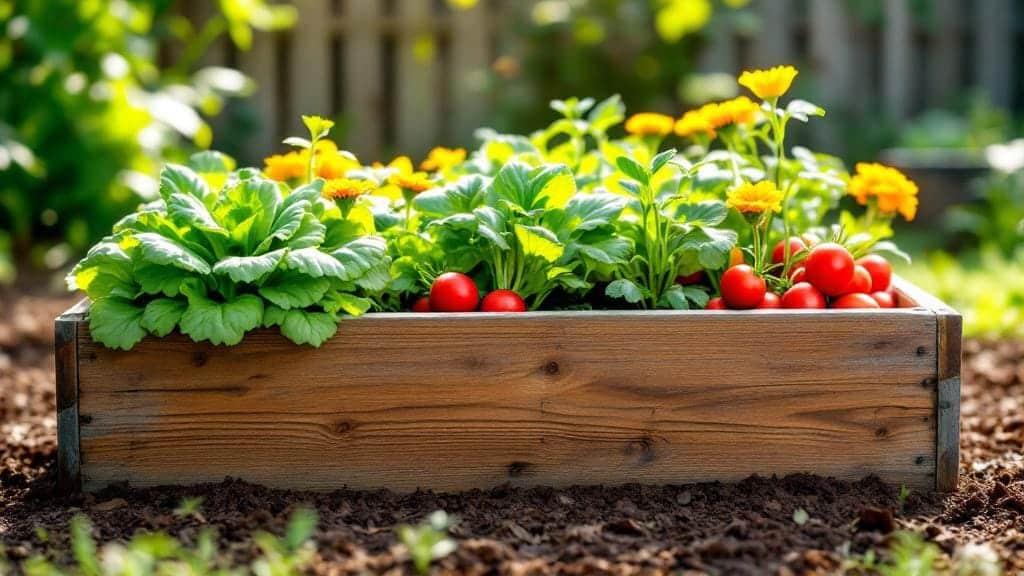

Herbs for Raised Gardens
Herbs are ideal for raised beds because they require little space and add fragrance, flavor, and beauty. You can mix them among vegetables or dedicate an entire bed to them.
Basil is a warm-weather favorite that pairs perfectly with tomatoes. Regular harvesting keeps it producing.
Parsley grows well in sun or partial shade and can be harvested throughout the season.
Cilantro prefers cooler weather and may bolt in high heat, so plant in spring and again in fall.
Thyme, oregano, and rosemary are Mediterranean herbs that thrive in full sun and well-drained soil. They’re excellent for raised beds because the improved drainage prevents root rot.
Chives and mint are hardy and easy to grow, but can spread aggressively. Plant them in containers or isolated sections of the bed.
Dill is a fragrant herb that attracts pollinators and pairs well with cucumbers and other vegetables.
Flowers and Companion Plants
Flowers are not only beautiful additions to raised gardens but also beneficial for pest control and pollination.
Marigolds are famous for deterring nematodes and aphids while attracting pollinators. Their bright blooms bring color and protection to vegetable beds.
Nasturtiums have edible flowers and leaves with a peppery flavor. They also repel pests like squash bugs and aphids.
Calendula (pot marigold) is easy to grow and provides cheerful color while attracting beneficial insects.
Zinnias bloom all summer and draw butterflies, making them a vibrant choice for raised beds.
Alyssum forms a fragrant, low-growing carpet that attracts bees and ladybugs.
Sunflowers add height and drama. Plant them along the north edge of your bed so they don’t shade smaller crops.
Companion planting, pairing plants that benefit each other, is especially easy in raised beds. For instance, basil near tomatoes improves flavor and repels pests, while beans near corn add nitrogen to the soil.
Seasonal Planting Guide
One of the advantages of raised beds is how easily you can rotate crops and extend your growing season. Here’s a simple seasonal breakdown:
Spring:
Plant cool-weather crops like lettuce, spinach, radishes, carrots, peas, and broccoli. Herbs such as parsley and cilantro also do well in cooler conditions.
Summer:
Switch to heat-loving plants such as tomatoes, peppers, cucumbers, zucchini, basil, and beans. Flowers like marigolds and zinnias thrive in the warmth.
Fall:
Replant cool-weather favorites such as kale, spinach, beets, and radishes. You can also add garlic and onions for harvesting the following year.
Winter (in mild climates or with protection):
Grow cold-tolerant crops like kale, collards, carrots, and leeks under row covers or cold frames.
Tips for Success in a Raised Garden
- Start with quality soil. Use a mix of garden soil, compost, and organic matter. A 1:1 ratio of soil to compost works well.
- Water deeply and consistently. Raised beds dry out faster than ground soil, especially in warm weather.
- Mulch to retain moisture. A layer of straw, bark, or leaves helps reduce evaporation and control weeds.
- Rotate crops annually. Changing plant families each year prevents disease buildup and nutrient depletion.
- Use vertical supports. Trellises, cages, and stakes save space and increase airflow around plants.
- Harvest regularly. Picking vegetables and herbs frequently encourages new growth and prevents plants from becoming overripe.
A raised garden bed is one of the most efficient and versatile ways to grow food and flowers. From crisp lettuce and juicy tomatoes to fragrant herbs and colorful blooms, nearly every type of plant can thrive in this environment. The key is to match plants to your climate and season, mix vegetables with companion flowers, and keep the soil rich and well-drained. Whether you’re growing for fresh salads, vibrant bouquets, or year-round harvests, your raised bed can provide a bountiful and beautiful garden right outside your door. With a little planning and care, it will reward you season after season with health, flavor, and color.