


Raised garden beds have become increasingly popular among home gardeners for their versatility, accessibility, and productivity. Whether you’re growing vegetables, herbs, or flowers, raised beds offer superior soil control, improved drainage, and easier maintenance compared to traditional in-ground gardens. But one of the biggest questions new gardeners face is what to plant in their raised garden bed. The answer depends on your goals, climate, and available space. This guide explores the best vegetables, herbs, and flowers to grow in raised beds, along with helpful planting tips to maximize your harvest and create a thriving garden.
Benefits of Raised Garden Beds
Raised garden beds are essentially large planting boxes filled with soil and compost. They can be built from wood, stone, metal, or composite materials and range in size from small patio planters to large backyard installations. The raised structure offers several key benefits:
-
Better soil control: You can fill raised beds with nutrient-rich, well-draining soil suited to the plants you want to grow.
-
Improved drainage: Water drains more efficiently, preventing root rot and waterlogging.
-
Fewer weeds: The contained design minimizes weed invasion from the surrounding ground.
-
Ease of access: Raised beds reduce bending and kneeling, making gardening easier for everyone.
-
Extended growing season: Soil in raised beds warms up faster in spring, allowing earlier planting.
With these advantages, raised beds are ideal for a wide variety of crops—especially those that thrive in loose, fertile, and well-drained soil.
Soil in raised beds warms up faster in spring, allowing earlier planting. You can learn more about the technical principles of raised-bed gardening and its history to better understand why it’s so effective.
Best Vegetables for Raised Beds
Tomatoes
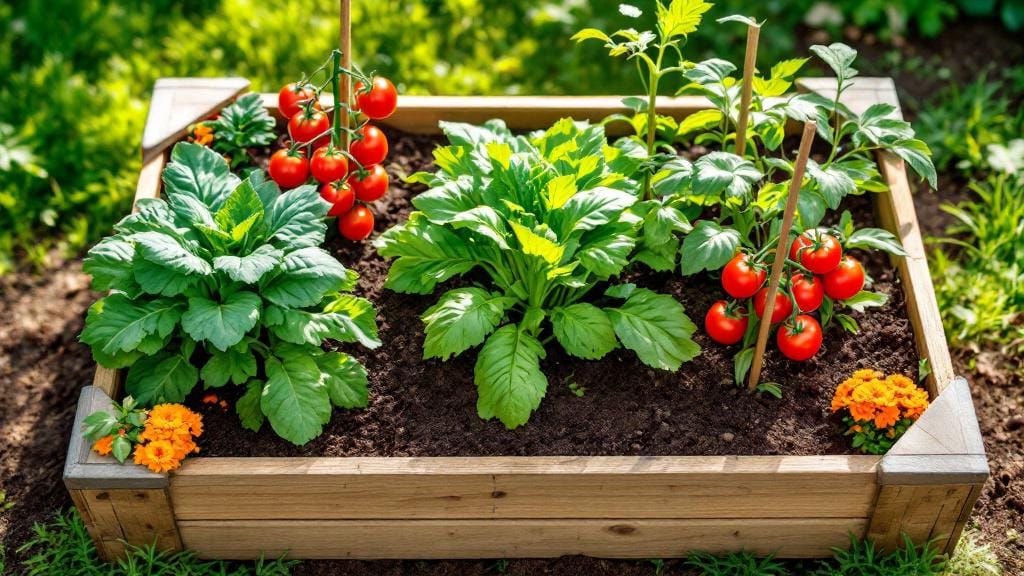
Tomatoes are among the most rewarding vegetables to grow in raised beds. They thrive in the deep, nutrient-rich soil and benefit from the improved drainage and warmth. Choose determinate (bush) varieties if space is limited or indeterminate (vining) types if you can provide support with cages or stakes. Plant them in full sun and water consistently to prevent blossom-end rot. Pairing tomatoes with basil, marigolds, or onions can help deter pests and enhance growth.
Peppers
Both sweet and hot peppers perform exceptionally well in raised beds. They need full sun, warm temperatures, and well-draining soil rich in organic matter. Peppers are relatively compact and can be grown alongside herbs or smaller vegetables. Regular watering and mulching will help maintain soil moisture and promote strong fruit development.
Lettuce and Leafy Greens
Lettuce, spinach, kale, and Swiss chard are perfect for raised beds because they have shallow roots and grow quickly. You can plant them in early spring or fall, and successive sowing every few weeks ensures a constant harvest. These greens prefer cooler temperatures and partial shade in hot climates. Raised beds make it easy to cover greens with shade cloths or row covers to extend the growing season.
Carrots and Root Vegetables
Raised beds are ideal for root crops like carrots, radishes, beets, and turnips, which require loose, stone-free soil for proper root development. The deep, aerated soil of raised beds allows these vegetables to grow straight and healthy. Carrots, in particular, benefit from the uniform moisture and fine texture of raised-bed soil. Sow seeds thinly and keep the soil consistently moist for best results.
Cucumbers
Cucumbers love the warm, well-drained conditions of raised beds. They can sprawl along the surface or climb trellises, saving space and improving airflow around the plants. Choose bush varieties for small beds or vining types for larger areas. Cucumbers thrive in full sun with regular watering and benefit from companion planting with dill or nasturtiums, which repel pests.
Cucumbers thrive in full sun with regular watering and benefit from vertical support. To ensure a massive harvest, check out our complete guide to growing cucumbers in a raised bed.
Beans and Peas
Legumes like beans and peas are great choices for raised beds because they enrich the soil by fixing nitrogen. Bush beans are compact and suitable for smaller beds, while pole beans and peas can climb trellises, maximizing vertical space. Peas thrive in cooler weather, while beans prefer the warmth of summer. Regular harvesting encourages continued production throughout the season.
Zucchini and Squash
Zucchini and summer squash grow prolifically in raised beds, producing abundant yields with minimal care. These plants need full sun, fertile soil, and ample space for their large leaves and spreading habit. To save room, consider training vines up a trellis or selecting compact varieties. Consistent watering and mulching prevent powdery mildew and keep fruits tender.
Best Herbs for Raised Beds
Basil
Basil is one of the easiest herbs to grow in raised beds, especially near tomatoes. It loves warmth, full sun, and well-drained soil. Frequent harvesting encourages bushy growth and prevents flowering, ensuring a steady supply of fresh leaves for cooking.
Parsley
Parsley grows well in raised beds with rich, moist soil and partial to full sun. It’s a biennial but is usually grown as an annual. Regular picking keeps the plant productive, and it pairs well with nearly all vegetables as a companion plant.
Thyme and Oregano
These Mediterranean herbs thrive in the dry, well-drained soil of raised beds. Both thyme and oregano are drought-tolerant once established and require minimal maintenance. Their aromatic foliage repels pests and adds wonderful flavor to dishes.
Mint
Mint is vigorous and can become invasive in open gardens, but raised beds (or containers within them) keep it contained. Mint prefers moist soil and partial shade and produces fragrant leaves perfect for teas, desserts, and garnishes.
Rosemary
Rosemary is another sun-loving herb that thrives in raised beds. It prefers slightly sandy, well-drained soil and can grow as a perennial in warmer climates. Pruning helps maintain shape and promotes new growth.
Best Flowers for Raised Beds
Adding flowers to your raised beds not only enhances beauty but also attracts pollinators and deters harmful insects.
Marigolds
Marigolds are a top choice for raised beds because they repel aphids, nematodes, and other pests. Their bright blooms add cheerful color and benefit neighboring vegetables. They thrive in full sun and bloom continuously throughout the growing season.
Nasturtiums
Nasturtiums serve a dual purpose: they attract pollinators while repelling pests like whiteflies and squash bugs. Their edible leaves and flowers add a peppery flavor to salads. These easy-to-grow annuals trail beautifully over the edges of raised beds.
Calendula
Calendula, or pot marigold, produces bright orange and yellow flowers that attract beneficial insects like ladybugs. It also has medicinal properties and can be used in herbal teas and salves. Calendula thrives in cool weather and grows well alongside greens and root vegetables.
Zinnias
Zinnias bring vibrant color and attract pollinators such as bees and butterflies. They thrive in full sun and well-drained soil, making them ideal for raised beds. Zinnias bloom all summer long and can be cut for fresh arrangements.
Companion Planting in Raised Beds
One of the greatest advantages of raised beds is the ability to practice companion planting, where certain plants benefit others by improving growth or repelling pests. For example:
-
Tomatoes and basil: Basil enhances tomato flavor and deters insects.
-
Carrots and onions: Onions repel carrot flies.
-
Cucumbers and dill: Dill attracts pollinators and improves cucumber yield.
-
Lettuce and radishes: Radishes provide quick crops while shading lettuce roots.
Avoid overcrowding plants; give each one the proper spacing to ensure airflow and reduce disease risk.
Tips for Planting and Maintaining a Raised Bed
Start by filling your raised bed with a mix of topsoil, compost, and organic matter. A 50/50 blend of soil and compost works well for most crops. Water thoroughly after planting and add mulch to retain moisture and suppress weeds. Use crop rotation each season to prevent nutrient depletion and reduce pest problems.
Regularly check for signs of pests or disease, and address them early with organic solutions. Fertilize lightly throughout the growing season with compost tea or a balanced organic fertilizer. Raised beds can dry out faster than ground soil, so monitor moisture levels and water deeply when needed.
A raised garden bed is one of the most efficient and rewarding ways garden enthusiasts can grow plants. The controlled environment allows for better soil management, improved drainage, and extended growing seasons. Whether you want fresh vegetables like tomatoes, carrots, and greens, flavorful herbs like basil and thyme, or colorful flowers like marigolds and zinnias, raised beds can accommodate them all.