



If you’re wondering what to grow in raised beds, the answer is almost anything! Raised beds provide excellent soil control, better drainage, and easy access, making them ideal for both beginners and seasoned gardeners. Whether you have a small backyard or a tight urban space, you can successfully grow in raised beds. From leafy greens to root vegetables and herbs, raised beds allow you to maximize yield in limited areas. This guide highlights 15 easy crops that are perfectly suited for raised beds, offering both convenience and delicious rewards for your efforts.
This guide highlights 15 easy crops that are perfectly suited for raised beds. If you haven’t built your setup yet, don’t worry, you can learn how to make garden beds like a pro, even with no prior experience.
Leafy Greens That Love Raised Beds
Leafy greens are some of the easiest and most rewarding plants to grow in raised beds. Because they have shallow roots and grow quickly, they don’t require much depth or space. The consistent moisture and nutrient-rich soil of raised beds make them an ideal environment. You can plant lettuce, spinach, arugula, and mustard greens together for a varied harvest. Plus, you can sow them successively to ensure a steady supply throughout the season. These greens also do well in partial shade, making them flexible for placement in your garden layout.
Why Lettuce Is a Must-Have in Every Raised Bed
Lettuce is a fast-growing, cool-season crop that thrives in raised beds. Its shallow roots mean it doesn’t need much soil depth, and it’s ideal for succession planting. Whether you choose leaf, romaine, or butterhead varieties, lettuce adapts well to confined spaces. The soft soil structure in raised beds encourages rapid root development, while the improved drainage prevents rot. You can harvest outer leaves continuously or pull the whole plant for a full head. Its quick turnaround makes lettuce a staple crop for anyone wondering what to grow in raised beds for frequent harvests.
Spinach: A Compact Superfood for Small Spaces
Spinach is a nutrient-dense crop that’s perfect to grow in raised beds, especially in cooler seasons. It grows quickly and takes up very little space, making it ideal for tight gardening spots. Raised beds provide the loose, well-drained soil spinach prefers, along with the cooler root zones it thrives in. Plant it early in spring or late in fall for the best results. Since spinach is a cut-and-come-again crop, you can enjoy multiple harvests from a single planting. It’s a go-to choice for anyone asking what to grow in raised beds for nutrition and efficiency.

Grow Kale Like a Pro in Your Raised Garden Bed
Kale is a hardy, resilient leafy green that grows exceptionally well in raised beds. It can tolerate cooler temperatures and even improves in flavor after a light frost. Raised beds offer good drainage, airflow, and soil quality, which help prevent disease and pests. Whether you’re planting curly kale, lacinato, or red Russian varieties, you’ll find they thrive in loose, nutrient-rich soil. Since kale grows upright, you can grow it in raised beds without sacrificing much space. Regular harvesting of outer leaves will encourage new growth, providing a steady supply of this superfood throughout the season.
Herbs That Thrive in Raised Beds Year-Round
If you love cooking with fresh herbs, consider starting an herb garden in your raised beds. Herbs like thyme, oregano, rosemary, sage, and mint grow well in the well-drained conditions that raised beds offer. Many herbs are perennials and can survive year-round in mild climates. Raised beds help prevent root rot and offer better control over watering, which is crucial for Mediterranean herbs. Whether grouped or sectioned off, herbs are easy to manage and maintain. If you’re still deciding what to grow in raised beds, herbs are a flavorful and low-maintenance option.
Basil, Parsley & More: The Best Culinary Herbs to Grow
Culinary herbs such as basil, parsley, chives, and cilantro are among the easiest to grow in raised beds. These herbs thrive in rich, well-drained soil and benefit from the increased sun exposure and warmth that raised beds provide. Basil loves the heat, while parsley and cilantro can tolerate cooler temperatures. You can plant herbs alongside vegetables as companion plants or dedicate an entire raised garden bed to a culinary herb patch. Regular trimming will keep them producing for months. These flavorful additions are a practical answer to what to grow in raised beds for home cooks.
Radishes: Fast-Growing Roots for Quick Harvests
Radishes are an excellent crop to grow in raised beds due to their quick maturity and minimal space needs. Most varieties are ready to harvest within 25–30 days, making them one of the fastest crops available. Raised beds offer the loose soil radishes need to grow straight and develop full bulbs. Plant them in rows or intersperse them between slower-growing crops to maximize space. Their peppery flavor adds a fresh crunch to salads and dishes. For gardeners asking what to grow in raised beds for quick results, radishes are an ideal choice.
Carrots in Raised Beds: What You Need to Know
Carrots can be tricky in heavy or compacted soils, which makes raised beds the perfect solution. Loose, rock-free soil in raised beds helps carrots grow straight and long. The depth of the bed allows for planting longer varieties without stunted growth. Choose fine, sandy soil and keep it evenly moist for best results. Raised beds also offer better weed control, allowing carrots to develop without competition. If you’re considering what to grow in raised beds for root harvests, carrots are a smart, satisfying pick—especially when you harvest them straight from your backyard.
Compact Tomato Varieties Perfect for Raised Beds
Tomatoes are a garden favorite, and wide, compact, or determinate varieties are excellent to grow in raised beds. These include ‘Roma,’ ‘Bush Early Girl,’ and ‘Tiny Tim.’ Raised beds offer excellent drainage and warmth, which tomatoes love. Since these varieties don’t require excessive staking or sprawling room, they’re well-suited to confined spaces. You can also use cages or trellises to grow vertically and save space. Just ensure the raised bed is deep enough (12–18 inches) for strong root development. If you’re wondering what to grow in raised beds with big flavor, tomatoes top the list.
Peppers: Small Plants, Big Flavor
Peppers are compact plants that adapt beautifully to raised beds. Both sweet and hot varieties benefit from the warm soil and good drainage that raised beds offer. With proper spacing and full sun exposure, peppers produce high yields even in small areas. Use compost-rich soil and water consistently for best results. Because of their upright growth, peppers can easily fit into tight garden layouts. They’re an excellent answer to the question of what to grow in raised beds when you’re looking to maximize productivity and add color and flavor to your meals.
Green Beans: Vertical Growth for Tight Spaces
Green beans are excellent climbers, making them a great option to grow in raised beds where horizontal space is limited. Pole beans grow vertically on trellises, while bush beans stay compact and low. Raised beds offer the ideal warm, fertile soil that beans need to flourish. They fix their own nitrogen, making them great for soil health too. Their rapid growth and generous yields make them rewarding for both new and experienced gardeners. If you’re trying to decide what to grow in raised beds to get the most from a small plot, beans are a winning choice.
Strawberries: Sweet Rewards from a Small Raised Bed
Strawberries are one of the most rewarding fruits to grow in raised beds. They’re compact, perennial, and produce delicious berries year after year. Raised beds offer better control over soil quality and drainage, reducing the risk of root rot and mold. You can plant them in rows, containers, or even stack beds vertically. Strawberries appreciate the slightly acidic, rich soil that raised beds can provide. Add mulch to keep fruit clean and deter pests. If you’re seeking a sweet, low-maintenance crop, strawberries are an excellent answer to what to grow in raised beds.
Beets: Colorful and Easy to Grow in Limited Space
Beets are nutritious, vibrant, and easy to grow in raised beds. They require well-drained, loose soil—conditions that raised beds provide with ease. Beets grow quickly and don’t need much space, making them suitable for small garden plots. You can even harvest beet greens while waiting for roots to mature. Plant in early spring or fall for the best flavor. Whether you’re growing red, golden, or striped varieties, beets add color and variety to your garden. They’re a perfect pick when asking what to grow in raised beds for both taste and visual appeal.
Garlic and Onions: Low-Maintenance Staples
Garlic and onions are essential kitchen staples and incredibly easy to grow in raised beds. Both prefer full sun and well-drained soil, which is exactly what raised beds provide. Plant garlic in the fall for a summer harvest and onions in early spring. They require minimal attention after planting and help deter some pests, making them excellent companion plants. Since they grow underground, a loose soil texture is key for proper bulb development. If you’re still choosing what to grow in raised beds for simplicity and utility, garlic and onions are unbeatable.
Bonus: Companion Planting Tips for Raised Beds
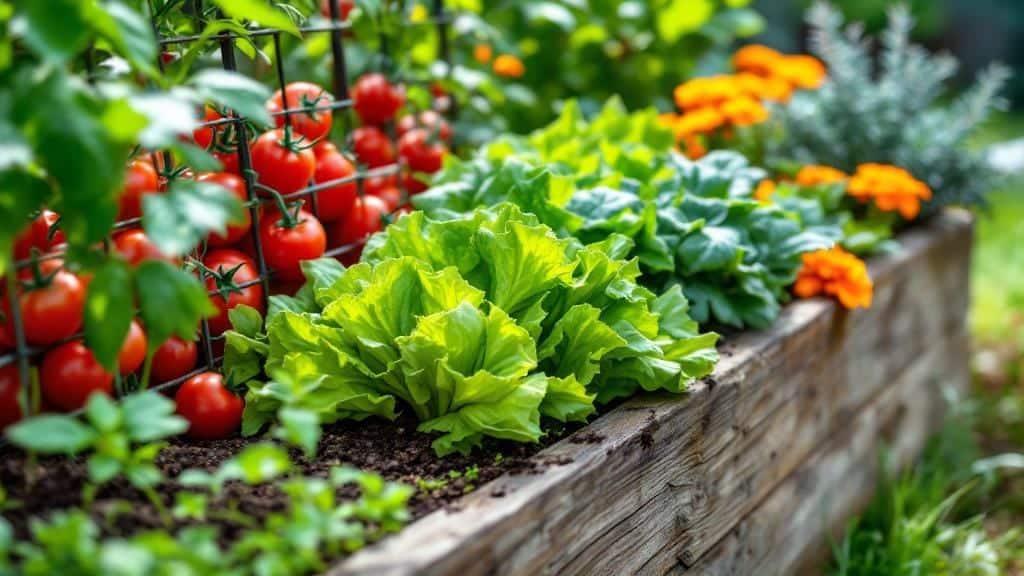
Companion planting helps maximize the benefits of raised beds by pairing plants that support each other. Basil improves the flavor of tomatoes, while marigolds help deter pests near vegetables. Carrots grow well alongside onions, which help repel root maggots. Interplanting lettuce between taller crops like tomatoes makes efficient use of space. These smart combinations improve yield, reduce pest pressure, and make your garden more diverse. If you’re learning what to grow in raised beds, don’t forget the power of smart pairings to get the most from every inch of soil