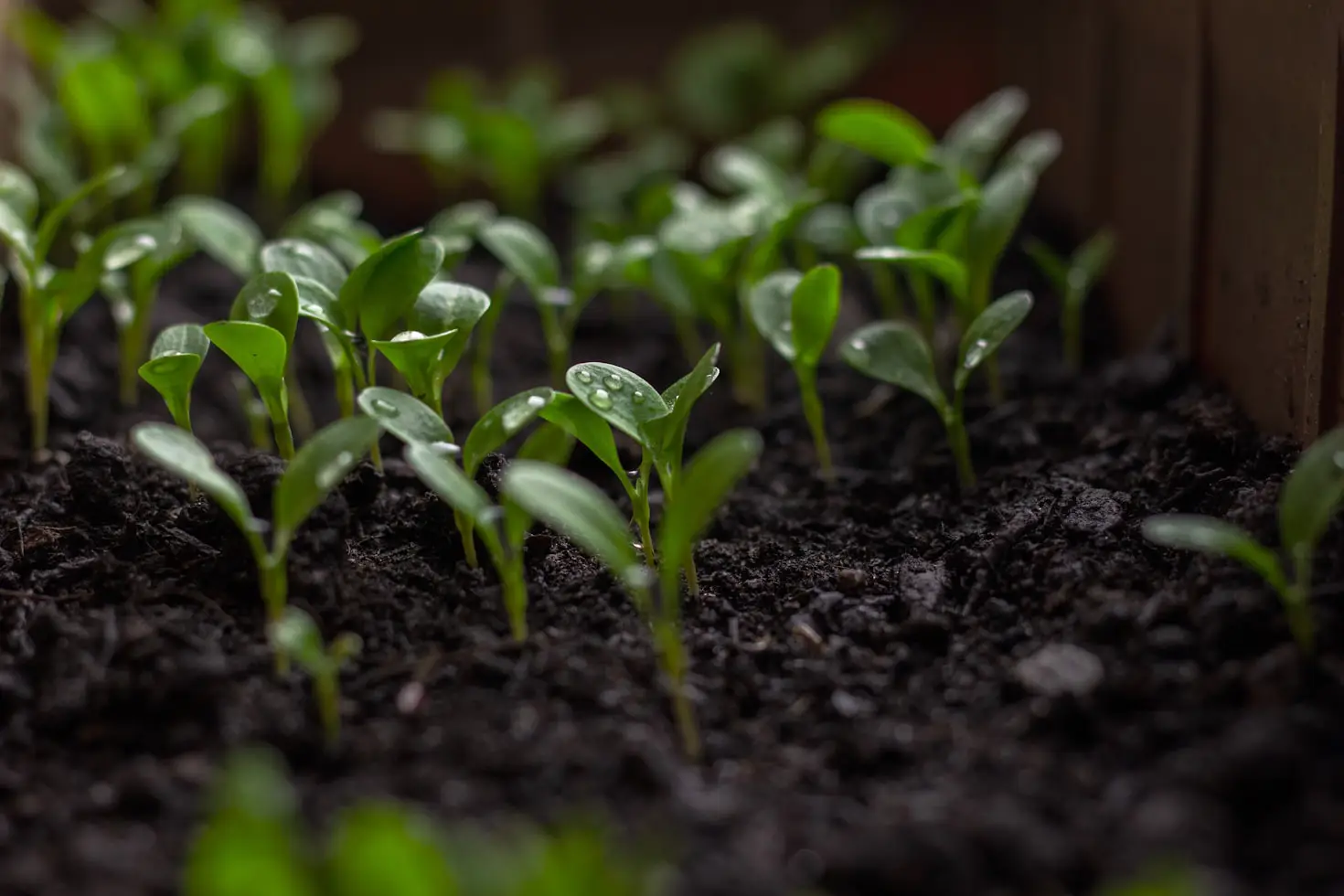

Raised bed gardening is a total game-changer, especially if you want to grow more while doing less back-breaking work. There’s something incredibly satisfying about having a dedicated, elevated space for your favorite veggies, herbs, and flowers. Not only do these beds look beautiful in any backyard, but they also solve some of the biggest gardening headaches, like poor drainage and stubborn weeds. By lifting your plants, you’re giving them the perfect environment to thrive for a longer season.
But once your bed is built and the soil is ready, the real question is: What exactly should you plant to get the best results?
Whether you’re a complete beginner starting your very first bed or an experienced gardener looking to double your harvest, this guide has you covered. We’ll break down the best choices for every season, sunlight level, and space, so you can stop guessing and start growing.
Why Raised Beds Are Ideal for Growing Almost Anything
Raised garden beds are versatile structures that suit nearly every type of plant. They’re typically made from wood, metal, or stone and filled with nutrient-rich soil. Their elevated design offers several key advantages:
- Improved Soil Quality: You control the soil blend, making it rich and well-draining.
- Better Drainage: Prevents waterlogging, especially in heavy clay areas.
- Fewer Weeds and Pests: Defined borders reduce weed spread and deter burrowing pests.
- Ease of Access: Less bending and kneeling make gardening more comfortable.
- Extended Growing Season: Soil in raised beds warms earlier in spring and stays warmer in fall.
These benefits mean you can grow everything from leafy greens to root vegetables and even compact fruit trees if planned properly.
Planning Your Raised Bed Garden
Before planting, consider these essentials:
- Sunlight: Most vegetables need 6–8 hours of full sun daily. Herbs and flowers can tolerate a bit less.
- Soil Depth: A minimum of 10–12 inches of soil depth is ideal. Deep-rooted crops like carrots or potatoes may need 18 inches or more.
- Soil Mix: A standard mix is
- 1/3 compost
- 1/3 topsoil
- 1/3 peat moss or coconut coir for moisture retention
- Layout: Group plants by growth habit, with tall crops in the back or center and smaller ones around the edges.
Now, let’s explore what to plant for maximum success.
Best Vegetables for Raised Garden Beds
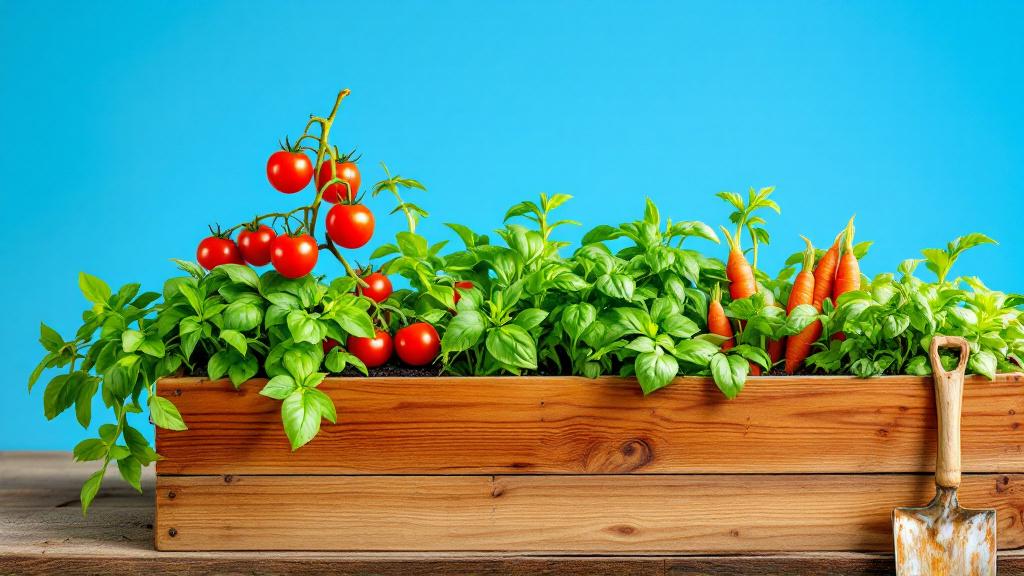
Raised beds are a vegetable gardener’s dream. They offer the perfect growing environment for both cool- and warm-season crops. Here’s what thrives best:
1. Leafy Greens
Perfect for small spaces, leafy greens love the rich, well-drained soil of raised beds.
- Lettuce: Fast-growing and easy. To keep your salads fresh all season, check out our guide on how to cut lettuce for regrowth using the cut-and-come-again method. Try loose-leaf varieties like ‘Buttercrunch’ or ‘Red Sails.’
- Spinach: Great for early spring or fall; prefers cool temperatures.
- Kale: Hardy and productive; can grow nearly year-round in many climates.
- Swiss Chard: Adds color and continuous harvest throughout the season.
Tip: Sow successively every 2–3 weeks for a continuous harvest.
2. Root Vegetables
Raised beds are ideal for root crops because you can control soil texture, with no rocks or compacted soil to twist roots.
- Carrots: Need loose, sandy soil. Shorter varieties like ‘Parisian’ or ‘Nantes’ thrive in shallow beds.
- Radishes: Quick to mature, ready in as little as three weeks.
- Beets: Grow easily and offer both edible roots and greens.
- Turnips and Rutabagas: Do well in cooler months and loose soil.
Tip: Avoid over-fertilizing root vegetables with nitrogen; it promotes leafy growth over roots.
3. Tomatoes and Peppers
Warm-weather favorites that flourish in raised beds thanks to superior drainage and soil warmth.
- Tomatoes: Choose compact bush (determinate) varieties for small spaces like ‘Patio Princess’ or ‘Roma.’
- Peppers: Sweet or hot varieties do equally well; ensure full sun and consistent moisture.
- Support: Add stakes or cages early to avoid disturbing roots later.
Tip: Companion plant basil nearby; it deters pests and enhances tomato flavor.
4. Cucumbers, Zucchini, and Squash
Vining crops can take up space, but raised beds help manage them efficiently.
- Cucumbers: Train them up a trellis to save space and improve air circulation.
- Zucchini: Compact bush varieties like ‘Raven’ or ‘Patio Star’ fit well in raised beds.
- Summer Squash: Productive and delicious; harvest young for tender fruits.
Tip: Interplant with marigolds to deter pests like cucumber beetles.
5. Beans and Peas
Legumes not only provide protein-rich crops but also enrich the soil by fixing nitrogen.
- Bush beans: easy to grow, fast-maturing, and don’t require support.
- Pole beans: Vertical growth saves space, perfect for trellises.
- Peas: Love cool weather and benefit from the early warmth of raised beds.
Tip: Plant beans after heavy feeders like tomatoes; they’ll help restore nitrogen balance in the soil.
6. Onions, Garlic, and Leeks
Raised beds make it easier to plant these alliums in neat, weed-free rows.
- Onions: Grow from sets or seeds; prefer full sun.
- Garlic: Plant cloves in the fall for a summer harvest.
- Leeks: Require deeper soil plant in trenches within the raised bed.
Tip: Keep soil evenly moist; drying out affects bulb formation.
7. Potatoes
Potatoes thrive in the deep, loose soil of raised beds, which allows for easy harvesting and healthy tuber development.
- Plant seed potatoes about 4 inches deep, covering new growth with soil as plants grow (hilling).
- Compact varieties like ‘Yukon Gold’ or ‘Red Norland’ work well in raised beds.
Tip: Avoid planting where tomatoes or peppers grew the previous season to prevent disease carryover.
Best Herbs for Raised Beds
Herbs are a natural fit for raised beds, easy to reach, easy to manage, and beautiful to look at. They can border vegetable beds or grow in their own dedicated section.
Easy Culinary Herbs:
- Basil: Loves warmth; perfect companion for tomatoes.
- Parsley: Grows well in sun or partial shade.
- Thyme: Hardy and drought-tolerant.
- Cilantro: Prefers cooler temperatures; succession sow for continuous harvest.
- Chives: A perennial herb that returns year after year.
- Rosemary and Sage: Woody herbs that thrive in well-drained soil.
Tip: Group herbs by water needs. Mediterranean herbs (thyme, oregano, and rosemary) prefer drier soil, while basil and parsley need more moisture.
Best Flowers for Raised Beds
Adding flowers to your raised bed not only beautifies the garden but also attracts pollinators and beneficial insects. Some even repel pests naturally.
Pollinator-Friendly Flowers:
- Marigolds: Repel nematodes and attract bees.
- Calendula: Edible petals; attract beneficial insects.
- Nasturtiums: A deterrent for aphids; the trailing variety looks lovely cascading over edges.
- Zinnias: Provide bright color and attract butterflies.
- Lavender: Draws pollinators and adds fragrance.
Tip: Interplant flowers between vegetables for natural pest control and better pollination.
Crops to Avoid in Small Raised Beds
While raised beds are versatile, a few crops can quickly outgrow their space:
- Corn: Requires large blocks for better pollination in the ground.
- Pumpkins: Vines can easily overtake the bed.
- Asparagus: Perennial roots spread and monopolize space.
- Artichokes: Large footprint and long growing season.
These crops are better suited for larger gardens or dedicated ground plots.
Seasonal Planting Guide
To get the most from your raised bed, plan for succession planting, replacing harvested crops with new ones throughout the year.
Spring:
- Lettuce, spinach, peas, carrots, onions
Summer:
- Tomatoes, peppers, cucumbers, beans, basil
Fall:
- Kale, chard, beets, radishes, garlic
Winter (in mild climates):
- Spinach, arugula, and overwintering onions or leeks
By rotating crops seasonally, you’ll maximize productivity and prevent soil nutrient depletion.
Companion Planting in Raised Beds
Companion planting pairs plants that benefit each other and works beautifully in raised beds. Examples include:
- Tomatoes, basil, and marigolds improve flavor, attract pollinators, and repel pests.
- Carrots + Onions: Onions deter carrot flies.
- Cucumbers and Nasturtiums: Repel cucumber beetles.
- Lettuce + Radishes: Radishes mature quickly and loosen soil for lettuce roots.
Proper pairing helps maintain ecological balance and reduces the need for chemical pest control.
Maintaining Your Raised Bed
A productive raised bed needs a little ongoing care:
- Top up the soil each season with compost to maintain depth and fertility.
- Rotate crops annually to prevent pest buildup.
- Mulch with straw or leaves to retain moisture and suppress weeds.
- Water deeply—raised beds dry out faster than ground gardens.
With consistent care, your raised bed will remain fertile and productive year after year.
At the end of the day, a raised garden bed is one of the smartest investments you can make for your home. It’s not just about growing food; it’s about creating a perfect environment where your plants and your gardening skills can truly thrive, regardless of your soil or space.
The best way to start is by growing what you love to eat. As you get more comfortable, you’ll naturally learn how to companion plant and rotate your crops for a year-round harvest. Imagine the satisfaction of picking crunchy spring lettuce, sun-ripened summer tomatoes, and hardy autumn kale all from the same small plot.
So, grab your trowel, prep your soil, and get those seeds in the ground. Your raised bed is waiting to turn into a beautiful, productive little world right in your own backyard!


