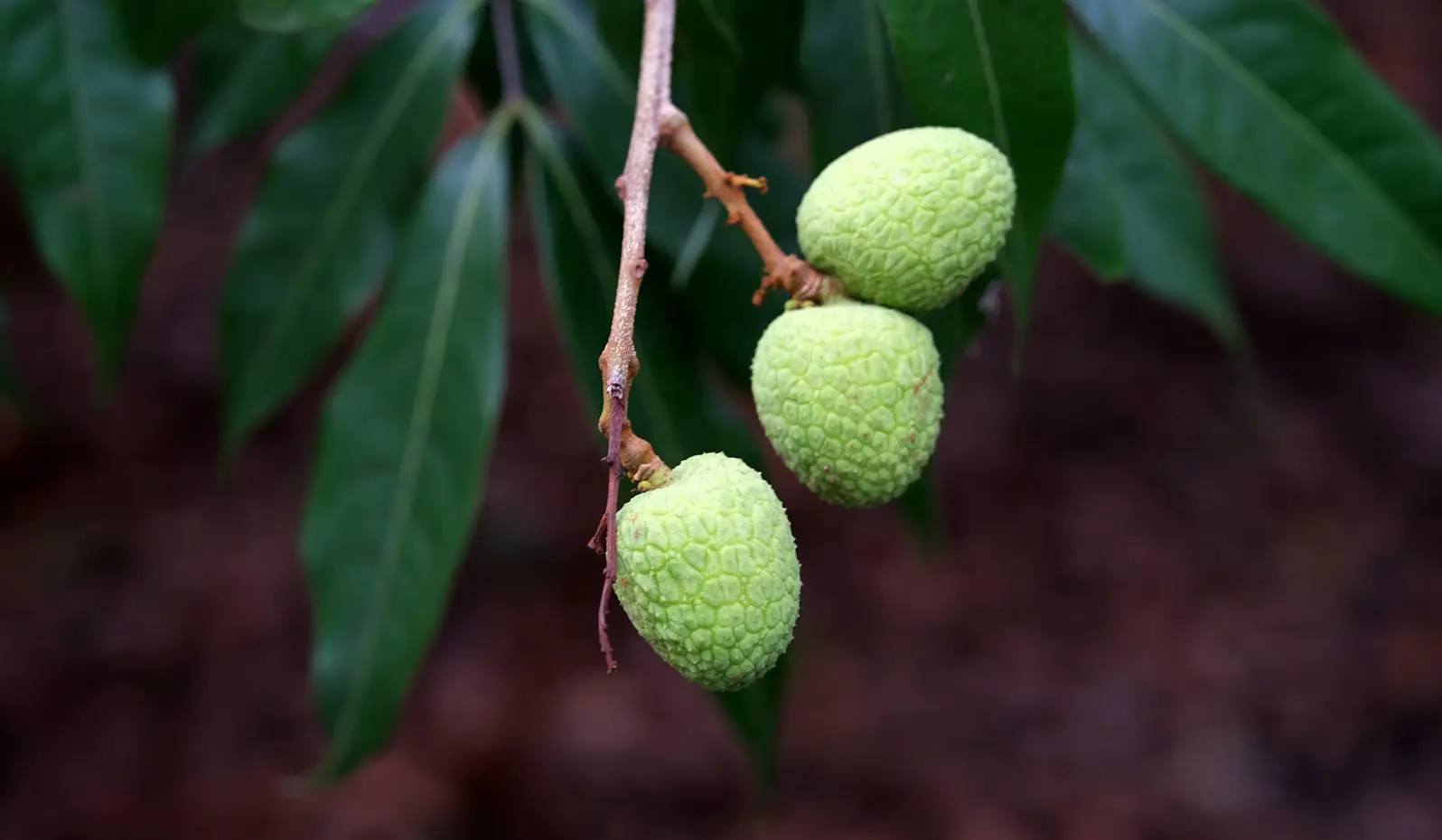

In recent years, organic fruit has become increasingly popular in grocery stores, farmers’ markets, and home kitchens. Many people choose organic fruit because they believe it is healthier, safer for the environment, or better tasting. But what does “organic” actually mean when it comes to fruit? Is it just a marketing term, or does it represent a specific way of growing food? Understanding what makes fruit organic requires looking at farming practices, certification standards, environmental impact, and how organic fruit differs from conventionally grown fruit.
The Meaning of “Organic”
At its core, organic fruit is fruit that is grown using farming methods that prioritize natural processes, environmental sustainability, and soil health. Organic farming avoids the use of synthetic chemicals and genetically modified organisms (GMOs). Instead, it relies on natural inputs and traditional agricultural techniques to grow crops.
In many countries, including the United States, the term “organic” is legally regulated. Farmers cannot simply label their fruit as organic unless they meet specific standards set by a governing body. In the U.S., these standards are defined by the United States Department of Agriculture (USDA). Similar regulatory organizations exist in other parts of the world, such as the European Union’s organic certification system.
Organic Farming Practices
One of the main factors that makes fruit organic is how it is grown. Organic fruit farmers follow strict guidelines that influence every stage of production, from preparing the soil to harvesting the fruit.
- No Synthetic Pesticides or Herbicides
Organic fruit is grown without synthetic chemical pesticides or herbicides. Conventional farming often uses these chemicals to kill insects, weeds, and plant diseases. Organic farmers, on the other hand, use natural methods such as beneficial insects, crop rotation, physical barriers, and approved natural sprays to control pests and weeds.
This does not mean organic fruit is grown without any pest control at all. Instead, organic farming focuses on prevention—creating a healthy ecosystem where plants are naturally more resistant to pests and diseases.
- No Synthetic Fertilizers
Organic fruit farmers do not use synthetic fertilizers made from chemicals. Instead, they rely on natural fertilizers such as compost, animal manure, cover crops, and plant-based materials. These natural fertilizers improve soil structure and increase beneficial microorganisms, which help plants grow stronger over time.
Healthy soil is a cornerstone of organic farming. Farmers view soil as a living system rather than just a place to hold plants.
- Non-GMO Seeds and Plants
Another important requirement is that organic fruit must be grown from non-genetically modified seeds or plants. Genetic modification involves altering an organism’s DNA in a laboratory, which is not allowed in organic farming. Organic farmers use traditional breeding methods to select plants with desirable traits such as disease resistance or flavor.
Soil Health and Sustainability
Organic fruit farming places a strong emphasis on long-term environmental health. The way soil is treated plays a major role in what makes fruit organic.
Organic farmers use practices like crop rotation, mulching, and composting to keep soil fertile and prevent erosion. These methods help maintain nutrients in the soil and reduce the need for external inputs. Over time, this leads to healthier soil that can retain water better and support plant growth naturally.
By avoiding synthetic chemicals, organic farming also reduces pollution of nearby rivers, lakes, and groundwater. This protects wildlife, insects, and surrounding ecosystems.
Pest and Disease Management
A common misconception is that organic fruit is completely untouched by any pest-control methods. In reality, organic farmers use a wide range of techniques to protect their crops, but these methods are carefully regulated.
Approved organic pest controls include natural substances like neem oil, sulfur, or copper compounds, as well as biological controls such as beneficial insects that prey on harmful pests. Physical methods like traps, nets, or hand weeding are also commonly used.
The goal is not to eliminate all insects but to maintain a balanced ecosystem where pests do not overwhelm crops.
Certification and Regulation
One of the most important things that makes fruit organic is certification. Organic certification ensures that farmers follow strict rules and that consumers can trust the label.
To become certified organic, a farm must typically go through a transition period, often lasting three years. During this time, the land must be managed using organic practices without prohibited substances. Inspectors then review records, visit the farm, and verify that all standards are met.
Once certified, farms are regularly inspected to ensure continued compliance. This system helps prevent false claims and protects the integrity of organic labeling.
Organic Fruit vs. Conventional Fruit
Organic and conventional fruit may look similar on the outside, but the differences lie in how they are produced.
Conventional fruit farming often prioritizes high yields and efficiency, using chemical fertilizers, pesticides, and herbicides to maximize production. Organic fruit farming focuses more on sustainability, environmental health, and natural processes.
Nutritionally, studies show mixed results. Some research suggests organic fruit may contain slightly higher levels of certain antioxidants, while other studies find minimal differences. However, organic fruit generally has lower pesticide residues, which is one of the main reasons people choose it.
Environmental Impact
Another major factor that makes fruit organic is its impact on the environment. Organic farming tends to be more environmentally friendly than conventional farming.
By avoiding synthetic chemicals, organic fruit farming reduces soil and water contamination. It also promotes biodiversity, supporting pollinators like bees and beneficial insects. Organic farms often have more plant and animal life than conventional farms because they encourage natural ecosystems.
Additionally, organic farming can help combat climate change by improving soil’s ability to store carbon. Healthy soil acts as a carbon sink, reducing the amount of carbon dioxide in the atmosphere.
Taste and Quality
Many people believe organic fruit tastes better, though taste is subjective. Some argue that organic fruit develops more complex flavors because it grows more slowly and relies on natural nutrients rather than quick-acting chemical fertilizers.
Organic fruit may also look less “perfect” than conventional fruit. It might be smaller, oddly shaped, or have minor blemishes. However, these visual differences do not affect safety or quality and are often a sign of fewer chemical interventions.
Cost and Accessibility
One challenge associated with organic fruit is cost. Organic fruit is often more expensive than conventional fruit due to higher labor costs, lower yields, and certification expenses. Organic farming is generally more labor-intensive and requires more careful management.
However, as demand increases and organic farming methods improve, organic fruit is becoming more accessible. Many people also choose to buy organic fruit selectively, focusing on fruits that are more likely to carry pesticide residues when grown conventionally.
Why Organic Matters
What makes fruit organic goes beyond what is sprayed—or not sprayed—on crops. Organic fruit represents a farming philosophy that values environmental responsibility, animal welfare, and long-term sustainability.
Choosing organic fruit can support farming practices that protect soil, water, and ecosystems while reducing exposure to synthetic chemicals. For many consumers, it is also a way to align food choices with personal values about health and the environment.
Fruit is considered organic when it is grown according to strict standards that emphasize natural methods, environmental sustainability, and soil health. Organic fruit is produced without synthetic pesticides, chemical fertilizers, GMOs, or harmful additives. It is carefully regulated and certified to ensure transparency and trust.
While organic fruit may cost more and look less uniform than conventional fruit, it offers benefits that extend beyond the individual consumer. By supporting organic fruit farming, people contribute to a healthier environment, more sustainable agriculture, and a food system that works in harmony with nature.
Understanding what makes fruit organic helps consumers make informed choices and appreciate the effort that goes into producing food in a responsible and sustainable way.


