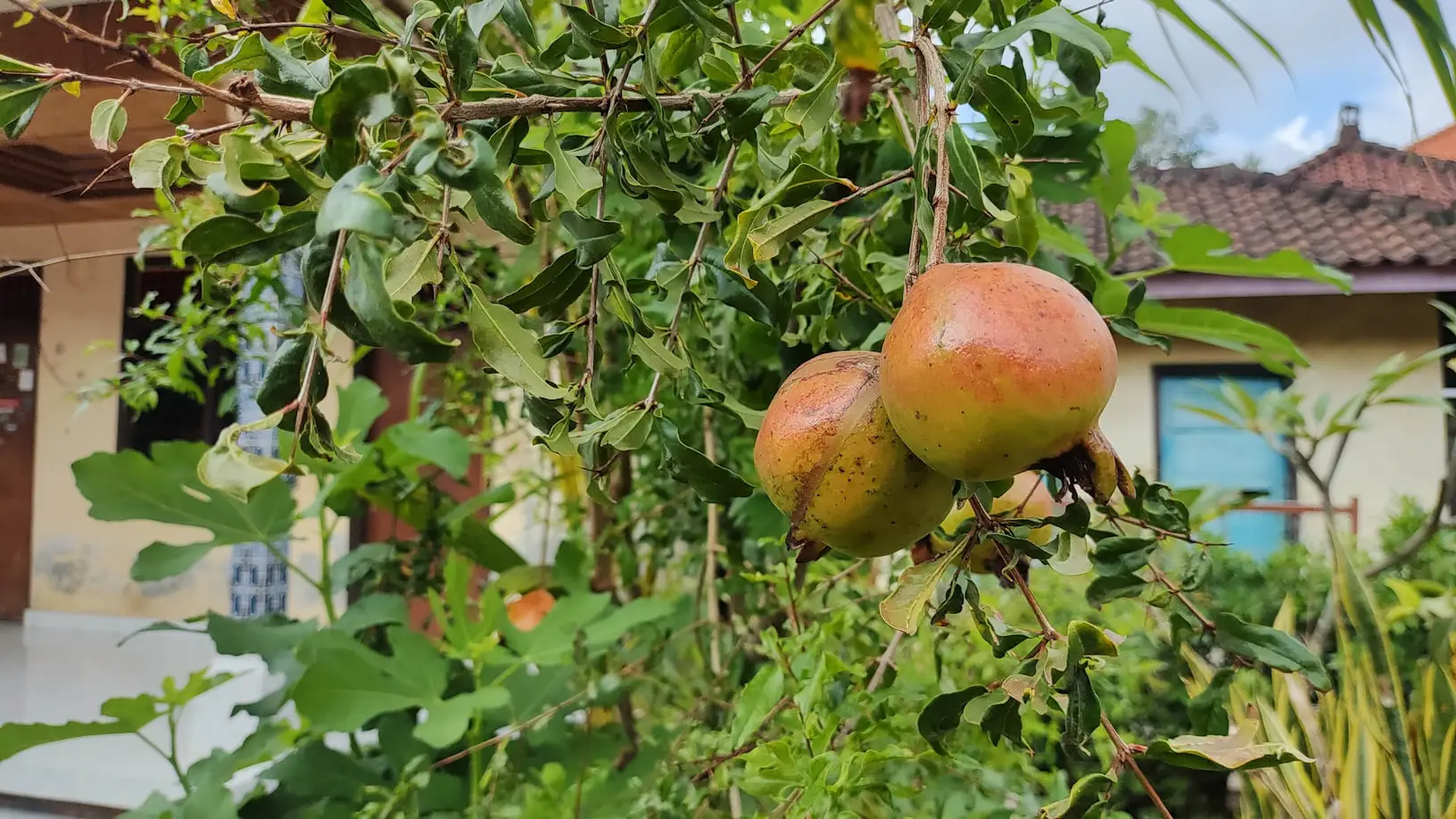

The word organic appears everywhere in grocery stores, farmers’ markets, and food labels, especially when it comes to fruits. Apples, bananas, strawberries, and oranges are often sold in both organic and non-organic versions, sometimes at noticeably different prices. But what exactly makes a fruit organic? Is it about being healthier, grown naturally, or free from chemicals? The answer is more specific and regulated than many people realize.
Organic fruit is not simply fruit grown without care or modern practices. Instead, it follows a strict system of farming standards designed to protect human health, environmental sustainability, and ecological balance. This article explains what makes a fruit organic, how organic farming works, what rules farmers must follow, and how organic fruit differs from conventionally grown fruit.
The Definition of Organic Fruit
At its core, organic fruit is grown according to certified organic agricultural standards. These standards vary slightly by country, but the core principles remain the same worldwide.
A fruit is considered organic when it is grown:
- Without synthetic pesticides or herbicides
- Without artificial fertilizers
- Without genetically modified organisms (GMOs)
- Using farming practices that protect soil health, ecosystems, and biodiversity
Organic farming focuses on working with natural processes rather than controlling them through chemical intervention.
Certified Organic vs “Naturally Grown”
One of the most important distinctions to understand is that organic is a legal and certified term, not just a descriptive one.
A farmer cannot simply say fruit is organic because it was grown “naturally.” To legally sell fruit as organic, farmers must:
- Follow organic farming regulations
- Be inspected by a certified organic authority
- Maintain detailed records of farming practices
- Pass regular compliance checks
Fruit that is grown without chemicals but not certified is often labeled “natural” or “chemical-free,” but it is not officially organic unless certified.
No Synthetic Pesticides or Herbicides
One of the most defining features of organic fruit is the absence of synthetic chemical pesticides and herbicides.
What This Means in Practice
Organic farmers cannot use:
- Synthetic insect killers
- Artificial weed killers
- Chemical fungicides commonly used in conventional farming
Instead, they rely on:
- Natural pest deterrents
- Beneficial insects (like ladybugs)
- Crop rotation
- Physical barriers such as nets
- Approved natural substances (like certain mineral-based sprays)
This approach reduces chemical residue on fruit and minimizes environmental contamination.
Natural Fertilization Methods
Organic fruit is grown without artificial fertilizers made from synthetic chemicals. These fertilizers are common in conventional farming and are designed to promote rapid plant growth.
Organic farmers use natural soil enrichment methods such as:
- Compost made from plant and animal matter
- Manure that has been properly treated
- Green manure crops (plants grown to restore soil nutrients)
- Mulching to retain moisture and add organic matter
The goal is to feed the soil, not just the plant. Healthy soil leads to healthier fruit over time.
Soil Health Is Central to Organic Farming
Soil is the foundation of organic agriculture. Organic standards require farmers to actively maintain and improve soil quality.
Healthy organic soil:
- Contains diverse microorganisms
- Retains nutrients naturally
- Resists erosion
- Supports long-term productivity
Practices such as crop rotation and composting help prevent soil depletion. Unlike conventional systems that may rely on quick chemical fixes, organic farming focuses on sustainability over decades.
No Genetically Modified Organisms (GMOs)
Another key factor that makes a fruit organic is the prohibition of genetically modified organisms.
Organic fruit must be grown from:
- Non-GMO seeds
- Traditional or heirloom plant varieties
- Naturally bred hybrids (not genetically engineered)
This rule exists to preserve genetic diversity and avoid unknown long-term ecological impacts associated with genetic engineering.
Responsible Pest and Disease Management
Organic fruit growers still deal with pests and diseases, but they manage them differently.
Rather than eliminating pests completely, organic farming aims to:
- Keep pest populations under control
- Maintain balance in the ecosystem
- Encourage natural predators
Examples include:
- Introducing insects that eat harmful pests
- Planting companion crops that repel insects
- Using natural sprays approved under organic rules
This approach reduces environmental harm and protects pollinators like bees.
Environmental Protection and Sustainability
Organic fruit farming places strong emphasis on protecting the environment.
Key environmental goals include:
- Reducing water pollution
- Preventing soil erosion
- Conserving biodiversity
- Protecting wildlife habitats
Because synthetic chemicals are avoided, organic farms are less likely to contaminate nearby water sources or harm non-target species. Over time, this creates healthier ecosystems surrounding organic orchards and fields.
Animal and Ecosystem Considerations
While fruit farming does not directly involve livestock, organic standards still consider animal welfare and ecosystem impact.
Organic farms often:
- Preserve natural habitats near fields
- Maintain buffer zones between organic and non-organic farms
- Support pollinator populations through diverse planting
These practices contribute to long-term agricultural resilience.
Harvesting and Post-Harvest Handling
What makes fruit organic does not stop at growing—it also includes how fruit is handled after harvest.
Organic fruit must be:
- Kept separate from non-organic fruit
- Transported and stored in clean conditions
- Protected from contamination by prohibited substances
Post-harvest treatments like synthetic preservatives or waxes are restricted or prohibited, depending on regulations.
Organic Certification and Labeling
For fruit to be sold as organic, it must meet certification standards set by regulatory bodies. These bodies inspect farms regularly and ensure compliance.
Certification involves:
- Annual inspections
- Review of soil management plans
- Verification of seed sources
- Monitoring pest control methods
Labels such as “100% Organic” or “Organic” indicate that strict criteria have been met. Without certification, fruit cannot legally be marketed as organic.
Is Organic Fruit More Nutritious?
Many people believe organic fruit is automatically more nutritious. While research shows mixed results, some studies suggest:
- Slightly higher antioxidant levels
- Lower pesticide residue
- Comparable vitamin and mineral content to conventional fruit
The biggest nutritional advantage may come from reduced chemical exposure, rather than dramatic differences in nutrient levels.
Why Organic Fruit Often Costs More
Organic fruit usually costs more because:
- Organic farming is more labor-intensive
- Crop yields may be lower
- Certification and inspections cost money
- Pest control requires more hands-on management
The higher price reflects the farming practices, not just the final product.
Common Misconceptions About Organic Fruit
Many misconceptions exist about organic fruit, including:
- Organic means “perfect-looking” (organic fruit may have blemishes)
- Organic means “no pesticides at all” (natural pesticides may still be used)
- Organic means “grown locally” (organic fruit can be imported)
Understanding these distinctions helps consumers make informed choices.
What makes a fruit organic is not a single factor, but a system of farming principles rooted in environmental care, soil health, and responsible resource use. Organic fruit is grown without synthetic chemicals, without GMOs, and with strict oversight from certification bodies. It reflects a commitment to long-term sustainability rather than short-term productivity.
Whether people choose organic fruit for health reasons, environmental concerns, or personal values, understanding what organic truly means helps cut through marketing language and focus on the real standards behind the label. Organic fruit is not just about what is left out—it is about how food is grown from the ground up.


