


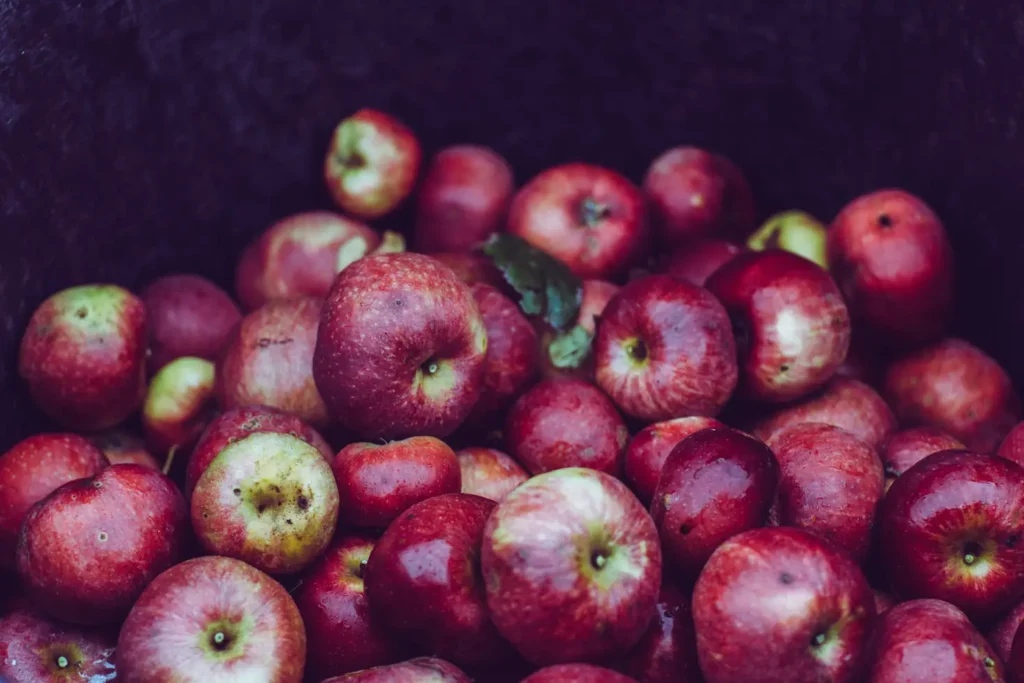
The term “organic bio” is increasingly used in discussions about food, farming, health, and sustainability. You may see it on food labels, in markets, or in articles about healthy living. But what does “organic bio” actually mean? Is it different from organic food, or is it the same concept expressed in another way?
In simple terms, organic bio refers to food and agricultural products produced using biological and natural methods, without synthetic chemicals or genetically modified organisms. The word “bio” comes from the Greek word “bios,” meaning “life,” and it emphasizes farming practices that respect natural life systems, ecosystems, and biological balance.
The Meaning of “Bio” in Organic Bio
The term “bio” is widely used in Europe, especially in countries such as France, Germany, Italy, and Spain. In these regions, “bio” is essentially the same as “organic.”
- “Organic” is the common term in English-speaking countries
- “Bio” is commonly used in European languages
So when people say “organic bio,” they are usually emphasizing that the product is:
- Grown naturally
- Based on biological processes
- Free from synthetic chemicals
- Produced under strict regulations
Organic bio farming aims to protect living systems, including soil organisms, plants, animals, and humans.
The term ‘bio’ is the gold standard in many European regions. To understand how this specifically applies to French standards and international regulations, see our focused guide on what is biologique/organic food.
Core Principles of Organic Bio Farming
Organic bio-agriculture is built on several key principles that guide how food is grown and processed.
1. Respect for Nature
Organic bio farming works with nature rather than against it. Farmers aim to support natural cycles such as soil regeneration, water conservation, and biodiversity.
Instead of forcing rapid growth with chemicals, organic biosystems allow crops and animals to develop naturally.
2. Biological Soil Health
Healthy soil is the foundation of organic bio agriculture. Soil is treated as a living ecosystem, full of microorganisms, worms, fungi, and bacteria that help plants grow.
Organic biofarmers improve soil health by:
- Using compost and natural manure
- Practicing crop rotation
- Planting cover crops
- Avoiding chemical soil treatments
Healthy soil leads to healthier plants and more nutritious food.
3. No Synthetic Chemicals
One of the defining features of organic bioproducts is the absence of synthetic inputs, including:
- Artificial fertilizers
- Chemical pesticides
- Synthetic herbicides
- Artificial growth regulators
Instead, farmers rely on natural alternatives such as the following:
- Plant-based sprays
- Beneficial insects
- Mechanical weed control
This reduces pollution and chemical residues in food.
4. No GMOs
Organic bio standards strictly prohibit genetically modified organisms (GMOs). Seeds, animal feed, and ingredients must not be genetically engineered.
This ensures that food production relies on traditional breeding methods and natural genetic diversity.

Organic Bio and Animal Farming
Organic bio principles also apply to livestock and animal products such as meat, dairy, eggs, and honey.
Animals raised under organic biostandards must:
- Eat organic biofeed
- Have access to outdoor spaces
- Be allowed to express natural behaviors
- Not receiving growth hormones
- Not to be given antibiotics routinely
Animal health is maintained through good nutrition, clean living conditions, and preventive care rather than chemical treatments.
Organic Bio Food Processing
Organic bio is not limited to farming; it also includes how food is processed, packaged, and stored.
Processing Rules
Organic bioprocessing aims to keep food as natural as possible:
- Artificial colors, flavors, and preservatives are restricted
- Processing methods must preserve nutritional quality
- Ingredients must be traceable and certified
For example, organic bio bread must use organic bio flour and avoid artificial additives.
Certification and Organic Bio Labels
Because organic bio is regulated, products must meet strict standards to be labeled as such.
Certification Process
To become certified organic bio:
- Farmers follow organic bio-practices for a transition period
- Farms are inspected regularly
- Detailed records are reviewed
- Products are tested and verified
Only approved products can legally use organic bio labels.
Organic Bio Labels
Common labels include:
- 100% Organic / Bio
- Organic / Bio (minimum percentage of organic ingredients)
- Official government or independent certification logos
These labels protect consumers from misleading claims.
Certification ensures that every step of production follows the global definition of organic agriculture, providing a guarantee of quality and sustainability to the consumer
Health Aspects of Organic Bio Food
Many people choose organic bio food because they believe it is healthier.
Possible Health Benefits
- Lower exposure to pesticide residues
- Reduced intake of antibiotics and hormones
- Often, fewer artificial additives
- Encourages consumption of whole, minimally processed foods
Some research suggests organic bio foods may contain slightly higher levels of certain beneficial compounds, such as antioxidants, but results vary.
Important Perspective
Organic bio food is not a miracle food. A balanced diet with fruits, vegetables, whole grains, and adequate nutrients is more important than choosing organic bio alone.
Environmental Benefits of Organic Bio Agriculture
Organic bio farming is strongly connected to environmental protection.
1. Cleaner Water and Soil
Without synthetic chemicals, organic bio farming reduces contamination of:
- Rivers
- Groundwater
- Soil ecosystems
This protects wildlife and human health.
2. Biodiversity Conservation
Organic bio farms often support:
- More plant varieties
- Pollinators like bees and butterflies
- Birds and beneficial insects
Diverse ecosystems are more resilient and sustainable.
3. Climate Considerations
Organic bio farming can:
- Improve carbon storage in soil
- Reduce dependence on fossil-fuel-based fertilizers
- Encourage sustainable land use
However, organic bio yields may sometimes be lower, which presents challenges for large-scale food production.
Organic Bio vs Conventional Farming
Understanding the difference helps clarify the value of organic bio.
| Organic Bio Farming | Conventional Farming |
| Uses natural methods | Uses synthetic chemicals |
| No GMOs | GMOs often allowed |
| Focus on soil health | Focus on yield |
| Regulated and certified | Less restrictive standards |
Both systems aim to produce food, but they differ in methods and priorities.
Organic Bio vs “Natural”
Many people confuse organic bio with natural, but they are not the same.
- Organic Bio: Strictly regulated, certified, verified
- Natural: Often unregulated, vague meaning
A product labeled “natural” is not necessarily organic bio.
Challenges of Organic Bio
Despite its benefits, organic bio agriculture has limitations.
Higher Cost
Organic bio products often cost more due to:
- Labor-intensive farming
- Certification costs
- Lower yields
This can make them less accessible to everyone.
Limited Availability
In some regions, organic bioproducts may be hard to find or limited in variety.
Not Always Healthier by Default
Organic bio sweets, snacks, or sugary drinks are still unhealthy if consumed excessively.
Why People Choose Organic Bio
People choose organic bio food for many reasons:
- Health concerns
- Environmental responsibility
- Ethical treatment of animals
- Support for sustainable farming
For others, affordability and access may lead them to choose conventional food instead.
Organic bio refers to a system of food production based on biological, natural, and sustainable principles. It emphasizes respect for living systems, avoids synthetic chemicals and GMOs, and promotes environmental protection and animal welfare.
While organic bio food may offer health and environmental advantages, it is not a perfect or universal solution. Understanding what organic bio truly means allows consumers to make informed decisions without confusion or misinformation.
Ultimately, whether organic bio or conventional, the goal should be a healthy, balanced diet, respect for nature, and thoughtful food choices that suit individual needs and values.