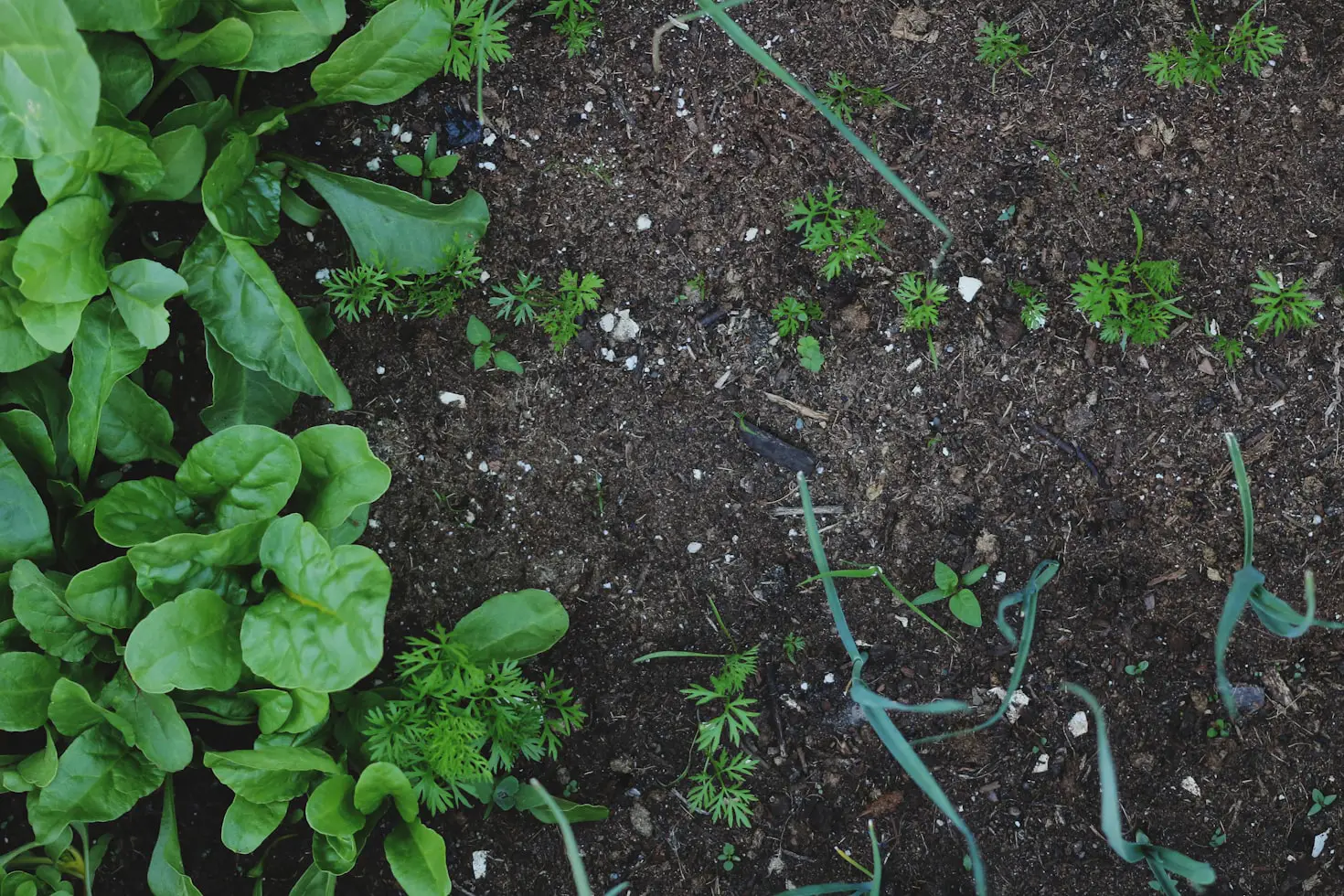

If you’re asking, what is eating turnips leaves in garden?, you’re not alone. Many gardeners are surprised to see holes, chew marks, or completely shredded turnip greens overnight. The reality is, several common pests could be behind the damage. Identifying what is eating turnips leaves is the first step to saving your crop. Whether it’s insects or small animals, prompt action can help protect the turnips leaves in garden beds. This guide explores the main culprits and offers organic solutions to restore your garden’s health quickly and naturally.
Identifying Insect Damage on Turnip Leaves
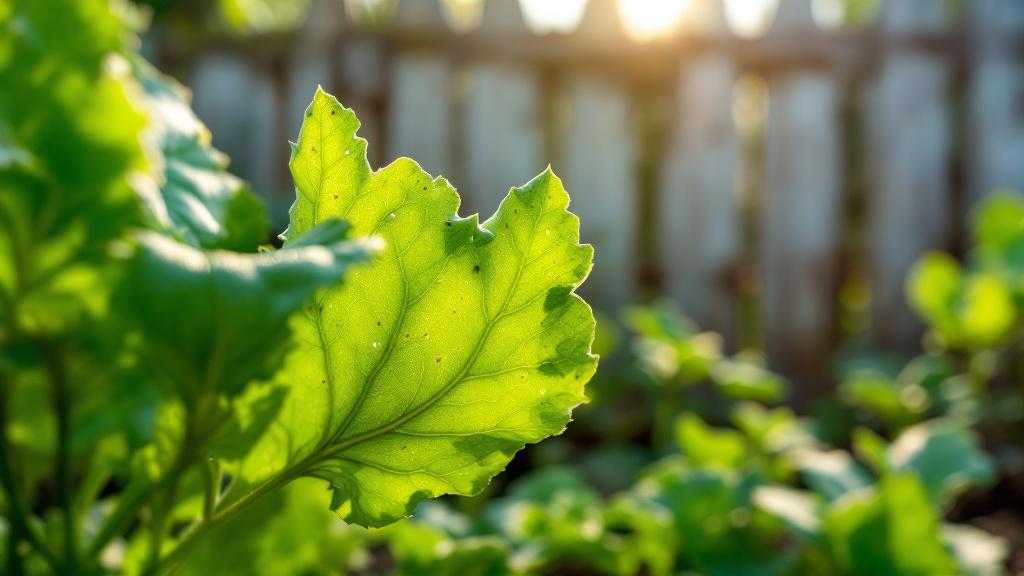
When you see irregular holes or skeletonized leaves, insect activity is likely the cause. Insects tend to eat during specific times and leave behind patterns that help identify them. Tiny holes could point to flea beetles, while larger sections missing might suggest cabbage worms or slugs. Sticky residue, chewed veins, or discolored trails can also indicate which pest is eating turnips leaves in garden spaces. Early detection and proper identification are key to effective treatment. Examine both the top and underside of leaves regularly for signs of pests or eggs.
Flea Beetles: Tiny Pests with Big Impact
Flea beetles are one of the most common pests when it comes to eating turnips leaves. These tiny black or bronze bugs jump when disturbed and leave behind a “shot-hole” appearance on the leaves. They thrive in warm weather and are especially active in early spring. Damage from flea beetles can stunt plant growth or kill seedlings. Floating row covers and diatomaceous earth are effective deterrents. Neem oil and insecticidal soap can also be used safely on turnips leaves in garden beds to minimize their impact without harming the environment.
Cabbage Worms and Their Effect on Turnip Greens
Cabbage worms are green caterpillars that chew through leaves with ease. They’re often hard to see as they blend in well with turnip greens. If you’re noticing chewed edges and black droppings on your plants, cabbage worms may be the culprit eating turnips leaves. These pests are larvae of white butterflies you might spot flying around your garden. Handpicking is one method of control, but spraying with Bacillus thuringiensis (Bt), a natural bacteria, can safely eliminate them without affecting beneficial insects.
Slugs and Snails: Nighttime Leaf Eaters
Slugs and snails are nocturnal pests that love moisture and often go unnoticed during the day. They leave ragged holes in the leaves and a shiny, silvery trail as proof of their nighttime feast. If you’re wondering what is eating turnips leaves and it happens overnight, these slimy invaders could be to blame. You can trap them using beer traps, crushed eggshells, or copper tape around your garden bed. Keeping the area dry and removing hiding spots like mulch or boards can discourage them from feasting on your turnips leaves in garden plots.
Root Maggots and Their Hidden Threat
While root maggots typically damage the roots of turnips, they can also weaken the plant enough to make the leaves more vulnerable to other pests. These larvae come from flies that lay eggs at the base of the plant. If you notice yellowing leaves and stunted growth in addition to signs of damage, root maggots might be the underlying issue, eating turnips leaves indirectly. Prevent infestation by rotating crops annually and covering young seedlings with row covers to block egg-laying flies from reaching your plants.
Leaf Miners: Signs and Prevention
Leaf miners are another sneaky pest that feeds between the layers of leaf tissue, leaving behind winding, discolored trails. Though they don’t usually kill plants, they reduce the photosynthesis capacity and weaken turnips leaves in garden beds. The best way to deal with them is to remove and destroy affected leaves immediately. Introducing beneficial insects like parasitic wasps can help control leaf miner populations naturally. Spinosad, a microbial insecticide, is also effective and safe to use on edible greens like turnips.
Distinguishing Between Insect and Animal Damage
Not all damage is caused by insects. Birds, rabbits, or even deer may be the reason you’re finding torn or missing leaves. Unlike insects, animals often eat large chunks or entire sections of a plant. Look for footprints, droppings, or signs of digging around the base of the plants. Knowing whether the damage is caused by insects or animals is critical in choosing the right treatment. Fencing, netting, or motion-activated sprinklers can help deter animals from targeting your garden and eating turnips leaves in garden beds.
Natural and Organic Control Methods
Using natural methods to protect your turnips leaves ensures a healthy, chemical-free harvest. Neem oil, insecticidal soaps, diatomaceous earth, and garlic sprays are all effective organic treatments for most pests. Companion planting with herbs like mint, basil, or dill can also repel insects. Introducing beneficial insects such as ladybugs or lacewings helps maintain pest balance. These natural solutions protect both your plants and the surrounding ecosystem while addressing the root cause of what is eating turnips leaves in garden plots.
Preventive Measures to Protect Turnip Leaves in the Future
Preventing future infestations starts with healthy gardening practices. Rotate crops every season to disrupt pest life cycles. Avoid overcrowding plants, as dense growth can attract pests and make inspection harder. Water early in the day to keep leaves dry overnight, and clear away debris that provides shelter for slugs or insects. Regular inspection of your turnips leaves in garden rows will help you act quickly at the first sign of trouble. With vigilance and natural solutions, you can keep your turnip greens healthy and pest-free all season long. Once you’ve harvested your fresh greens, you might be looking for a hearty meal to pair them with. Check out our guide on what is Chicken Fritta at Olive Garden for a perfect comfort food pairing


