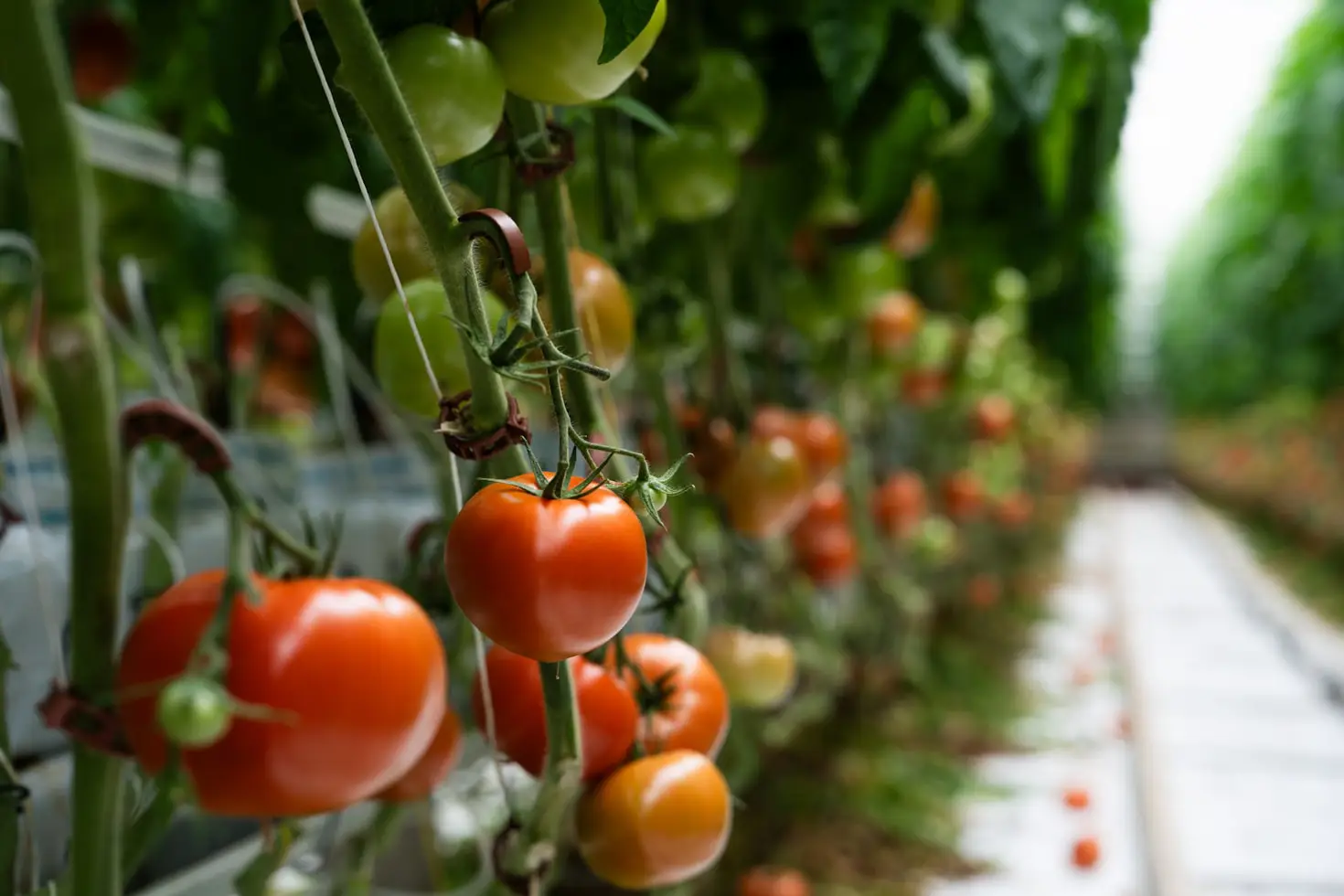

The term “biologique” is widely used in Europe and many French-speaking countries to describe what is commonly called “organic food” in English-speaking regions. When food is labeled biologique, bio, or organic, it means it has been produced according to specific farming standards that focus on natural processes, environmental protection, and animal welfare, while avoiding most synthetic chemicals.
Biologique food is more than just a marketing label—it represents a regulated agricultural system designed to work in harmony with nature. Understanding what biologique food means requires looking at how it is grown, how it differs from conventional food, and why many consumers choose it.
The Meaning of “Biologique”
The word “biologique” comes from the French word biologie, meaning “biology” or “life.” In agriculture, it refers to farming methods that respect natural biological systems rather than relying heavily on artificial inputs.
In practice, biologique food is produced using methods that:
- Maintain soil fertility naturally
- Avoid synthetic fertilizers and pesticides
- Prohibit genetically modified organisms (GMOs)
- Promote biodiversity
- Emphasize animal welfare
Foods labeled biologique must meet strict legal standards and are usually certified by authorized inspection bodies.
Core Principles of Biologique Farming
Biologique farming is guided by several key principles that shape how food is produced from the soil to the table.
1. Natural Soil Management
Healthy soil is the foundation of biologique agriculture. Farmers focus on:
- Composting
- Crop rotation
- Green manure (planting crops to enrich soil)
- Natural decomposition of organic matter
Instead of synthetic fertilizers, biologique farmers rely on natural materials to feed the soil, which in turn feeds the plants.
2. Avoidance of Synthetic Chemicals
Biologique farming prohibits the use of most:
- Synthetic pesticides
- Artificial herbicides
- Chemical fungicides
Instead, farmers use natural pest control methods, such as beneficial insects, natural sprays, physical barriers, and crop diversity.
3. Biodiversity and Ecosystem Balance
Biologique farms aim to support ecosystems rather than replace them. This includes:
- Growing multiple crop varieties
- Preserving hedgerows and natural habitats
- Encouraging pollinators like bees and butterflies
Biodiversity helps control pests naturally and improves farm resilience.
Biologique Food and Pesticides
A common misconception is that biologique food is completely pesticide-free. In reality, biologique farming allows a limited number of natural or naturally derived pesticides, but only as a last resort.
These substances:
- Are generally less persistent in the environment
- Are used in smaller quantities
- Must meet strict safety and environmental standards
The goal is prevention first, not chemical treatment.
No GMOs in Biologique Food
One of the clearest distinctions of biologique food is the complete ban on genetically modified organisms (GMOs).
This applies to:
- Seeds
- Animal feed
- Processed ingredients
Biologique farming supports traditional breeding methods and natural seed diversity rather than genetic engineering.
Biologique Animal Farming
Biologique standards apply not only to plants but also to animals. Biologique animal products such as meat, milk, and eggs must meet strict welfare requirements.
Key animal welfare standards include:
- Access to outdoor areas
- Space to move freely
- Natural diets with organic feed
- No routine use of antibiotics or growth hormones
Animals are raised in conditions designed to reduce stress and support natural behaviors.
Biologique vs. Conventional Food
Understanding biologique food is easier when compared to conventional food.
Main differences:
| Biologique (Organic) | Conventional |
| Natural fertilizers | Synthetic fertilizers |
| Limited natural pesticides | Chemical pesticides |
| No GMOs | GMOs may be used |
| Focus on biodiversity | Focus on yield |
| Higher production cost | Lower cost |
Both systems provide safe food, but they differ in philosophy, methods, and environmental impact.
Certification and Labeling
Biologique food is legally regulated in many countries. Farmers and producers must follow strict rules and undergo regular inspections.
Common labels include:
- “AB” (France – Agriculture Biologique)
- EU organic logo (green leaf)
- “USDA Organic” (United States)
- Other national organic certifications
Without certification, a product cannot legally be sold as biologique or organic.
Environmental Benefits of Biologique Food
Many people choose biologique food for environmental reasons.
Potential benefits include:
- Reduced chemical pollution
- Improved soil health
- Better water quality
- Protection of wildlife habitats
By avoiding synthetic inputs, biologique farming aims to reduce harm to ecosystems and support long-term agricultural sustainability.
Nutritional Aspects of Biologique Food
Research on nutrition shows mixed results when comparing biologique and conventional foods. Some studies suggest biologique food may contain:
- Slightly higher antioxidant levels
- Lower pesticide residues
However, the most important factor for health is eating a diverse diet rich in fruits, vegetables, whole grains, and legumes, whether biologique or not.
Cost and Accessibility
Biologique food is often more expensive due to:
- Lower yields
- More labor-intensive farming
- Certification costs
While this can make biologique food less accessible, many consumers choose it selectively—buying some organic items while relying on conventional food for others.
Why People Choose Biologique Food
People choose biologique food for many reasons, including:
- Environmental concerns
- Animal welfare
- Avoiding synthetic chemicals
- Supporting sustainable agriculture
- Personal values and lifestyle choices
For many, buying biologique food is also a way to support small farmers and local food systems.
Limitations and Challenges
Biologique farming also faces challenges:
- Produces less food per hectare on average
- Requires more land for the same output
- Can be more vulnerable to pests and weather
Because of these challenges, biologique farming currently complements rather than replaces conventional agriculture.
Biologique (organic) food refers to food produced through farming systems that prioritize natural processes, environmental protection, and animal welfare while avoiding most synthetic chemicals and GMOs. It is a regulated, certified approach to agriculture that reflects a broader philosophy of sustainability and respect for nature.
While biologique food may cost more and produce lower yields, it offers environmental benefits and aligns with the values of many consumers. Both biologique and conventional foods have roles to play in feeding the world, and understanding the meaning of biologique food allows consumers to make informed, thoughtful choices.
In the end, the best food system is one that balances health, sustainability, affordability, and access—and biologique food is an important part of that global conversation.


