


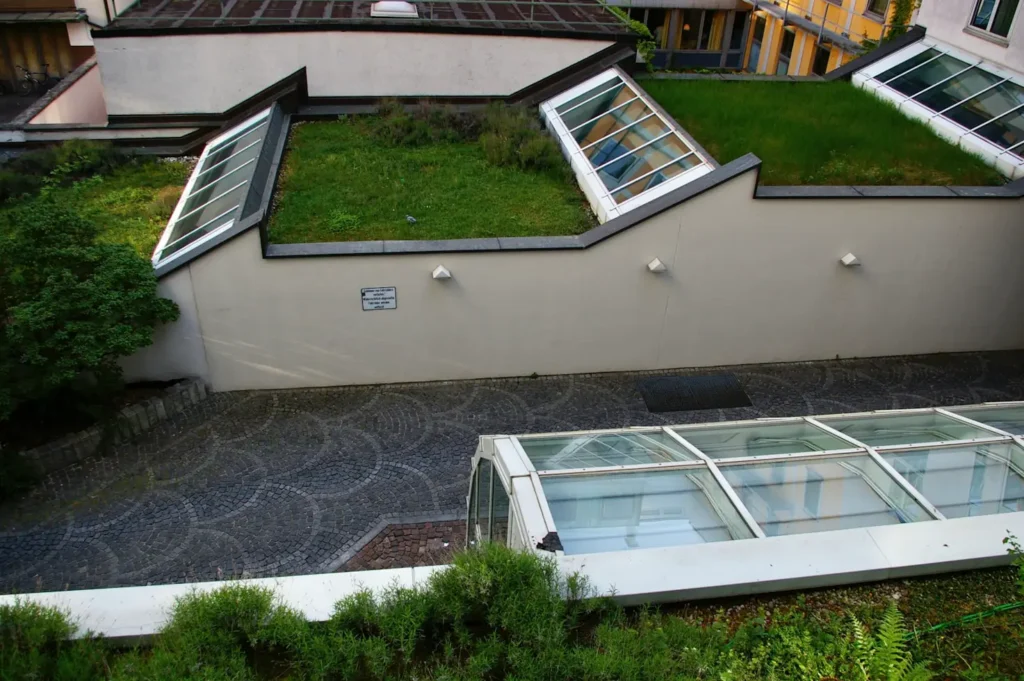
A rooftop greenhouse is a greenhouse structure built on the roof of a building, designed to grow plants in an urban setting. It combines traditional greenhouse benefits like controlled climate and extended growing seasons with the space-saving advantages of rooftops. When someone asks, “what is a rooftop used for beyond HVAC or solar panels?” a rooftop greenhouse is an innovative answer. These green spaces allow city dwellers to grow food, reduce carbon footprints, and contribute to sustainable living. Rooftop greenhouses are gaining popularity in dense cities, offering a creative solution to urban agriculture, food security, and environmental sustainability challenges.
How Rooftop Greenhouses Are Changing Urban Agriculture
The rooftop greenhouse is revolutionizing how food is grown in cities. With limited land available in urban areas, building greenhouses on rooftops maximizes unused space for food production. This practice of roof farming is revolutionizing how we think about local produce, reducing the need for long-distance transportation of produce, and minimizing carbon emissions. Rooftop greenhouses are also part of a larger movement toward local, fresh, and sustainable food systems. In cities like New York, Paris, and Tokyo, rooftop farming projects are helping address urban food deserts. As city populations grow, rooftop greenhouses play a vital role in creating resilient, self-sustaining communities through innovative urban agriculture.
Key Benefits of Building a Rooftop Greenhouse
There are many advantages to having a rooftop greenhouse, from sustainability to practicality. First, it allows year-round growing of fruits, vegetables, and herbs in a controlled environment. It also utilizes underused rooftop space, especially in commercial and residential buildings. In addition, rooftop greenhouses improve air quality, reduce stormwater runoff, and contribute to building insulation. From an economic perspective, they offer potential for small-scale commercial agriculture or community-based food systems. When people ask what is a rooftop good for besides storage or utilities, a rooftop greenhouse is a compelling, eco-friendly solution.
Rooftop Greenhouse vs. Traditional Greenhouse: What’s the Difference?
While both types share the core purpose of plant cultivation, there are key differences between a rooftop greenhouse and a traditional one. A traditional greenhouse is usually built at ground level, often requiring more land and external infrastructure. In contrast, rooftop greenhouses are installed on buildings, integrating with existing architecture. This often involves unique considerations like weight load, building codes, and accessibility. Rooftop greenhouses also have added energy efficiency benefits, as they can help regulate indoor temperatures. Essentially, they are modern, space-saving alternatives to ground-based greenhouses—tailored for urban environments.
How to Design a Functional Rooftop Greenhouse
Designing a rooftop greenhouse requires careful planning to ensure it is safe, efficient, and productive. Key design elements include a lightweight structure, proper insulation, ventilation systems, and access to water and electricity. You must also consider the rooftop load-bearing capacity; consulting an engineer is crucial. Depending on the climate, incorporating automated temperature controls or shading systems may be necessary. Orientation matters too: positioning the greenhouse for optimal sunlight exposure boosts plant growth. A well-designed rooftop greenhouse balances form and function, turning underutilized rooftop space into a productive, green environment.
Positioning the greenhouse for optimal sunlight exposure is key; much like when you determine the garden shed roof pitch for style and durability, the angle of your greenhouse roof will affect both water runoff and light penetration.

Best Crops to Grow in a Rooftop Greenhouse
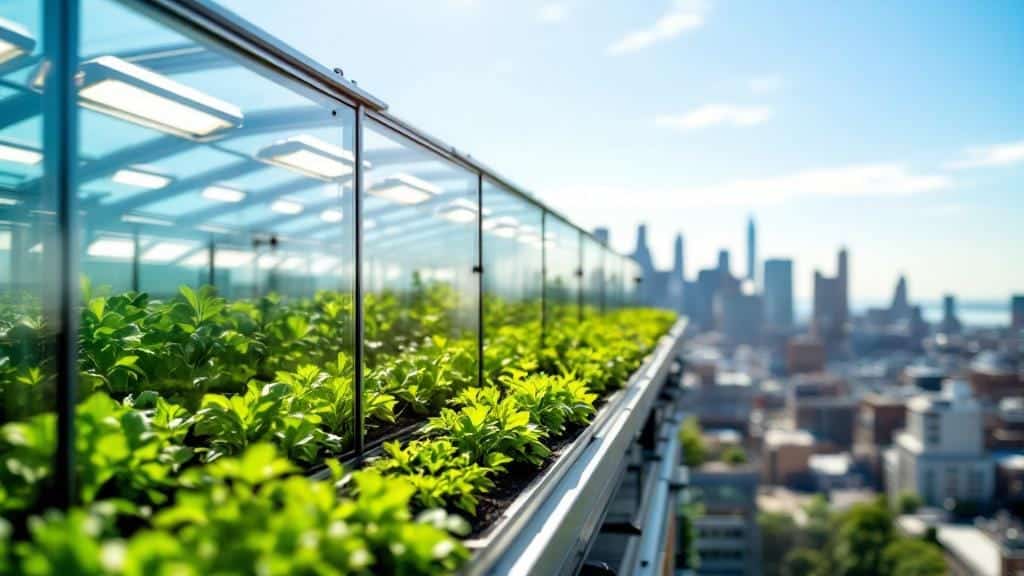
The controlled conditions of a rooftop greenhouse allow for a wide variety of crops. Leafy greens like lettuce, spinach, and kale are popular choices due to their fast growth and low space requirements. Herbs such as basil, parsley, and mint thrive in greenhouse environments. Tomatoes, peppers, and cucumbers also do well with proper support and pollination. In cooler climates, root vegetables and hardy herbs are great options. The choice depends on your greenhouse size, climate control features, and growing goals, whether it’s for personal use, education, or small-scale commercial production.
Structural and Environmental Considerations for Rooftop Greenhouses
Building a rooftop greenhouse involves several structural and environmental factors. The building’s roof must support the added weight of the greenhouse, plants, soil, and water systems. This may require reinforcement or lightweight construction materials like polycarbonate panels. Drainage and waterproofing are critical to avoid roof damage. Environmental considerations include sun exposure, wind load, and thermal regulation. Greenhouses in colder climates may need additional insulation and heating, while those in hot areas require proper ventilation. Addressing these concerns ensures that your rooftop greenhouse is both efficient and sustainable in the long term.
How Rooftop Greenhouses Help with Energy Efficiency and Insulation
A rooftop greenhouse doesn’t just grow plants, it also improves building performance. By acting as an insulating layer, the greenhouse reduces heat loss in winter and heat gain in summer, helping to lower energy consumption. In some cases, greenhouses can be integrated with the building’s HVAC systems to recover and reuse heat. Plants in the greenhouse also improve air quality and humidity regulation. So, when considering what is a rooftop capable of contributing to environmental goals is, a greenhouse stands out as a smart, energy-efficient addition that supports both urban farming and building sustainability.
Challenges and Solutions in Rooftop Greenhouse Gardening
While rooftop greenhouse gardening offers many benefits, it also comes with challenges. These include structural limitations, zoning restrictions, and weather exposure. High winds, extreme heat, or cold can affect crop health. Access to water and drainage systems must be carefully planned. However, these challenges can be addressed with smart design: using windbreaks, automated irrigation, and climate control systems. Partnering with engineers and horticulture experts also helps overcome structural and technical barriers. With proper planning, the advantages far outweigh the difficulties, making rooftop greenhouse gardening a viable and rewarding endeavor.
Real-World Examples of Rooftop Greenhouses Around the Globe
Across the world, rooftop greenhouse projects are redefining urban agriculture. In Montreal, the Lufa Farms rooftop greenhouses supply thousands of households with fresh produce. In New York City, Gotham Greens operates rooftop farms that blend technology and sustainability. In Europe, rooftop greenhouses are integrated into commercial and residential buildings as part of green building initiatives. These global examples demonstrate that when we ask what is a rooftop good for in the modern city, the answer is clear: it’s a valuable platform for growing food, reducing emissions, and promoting sustainable living.