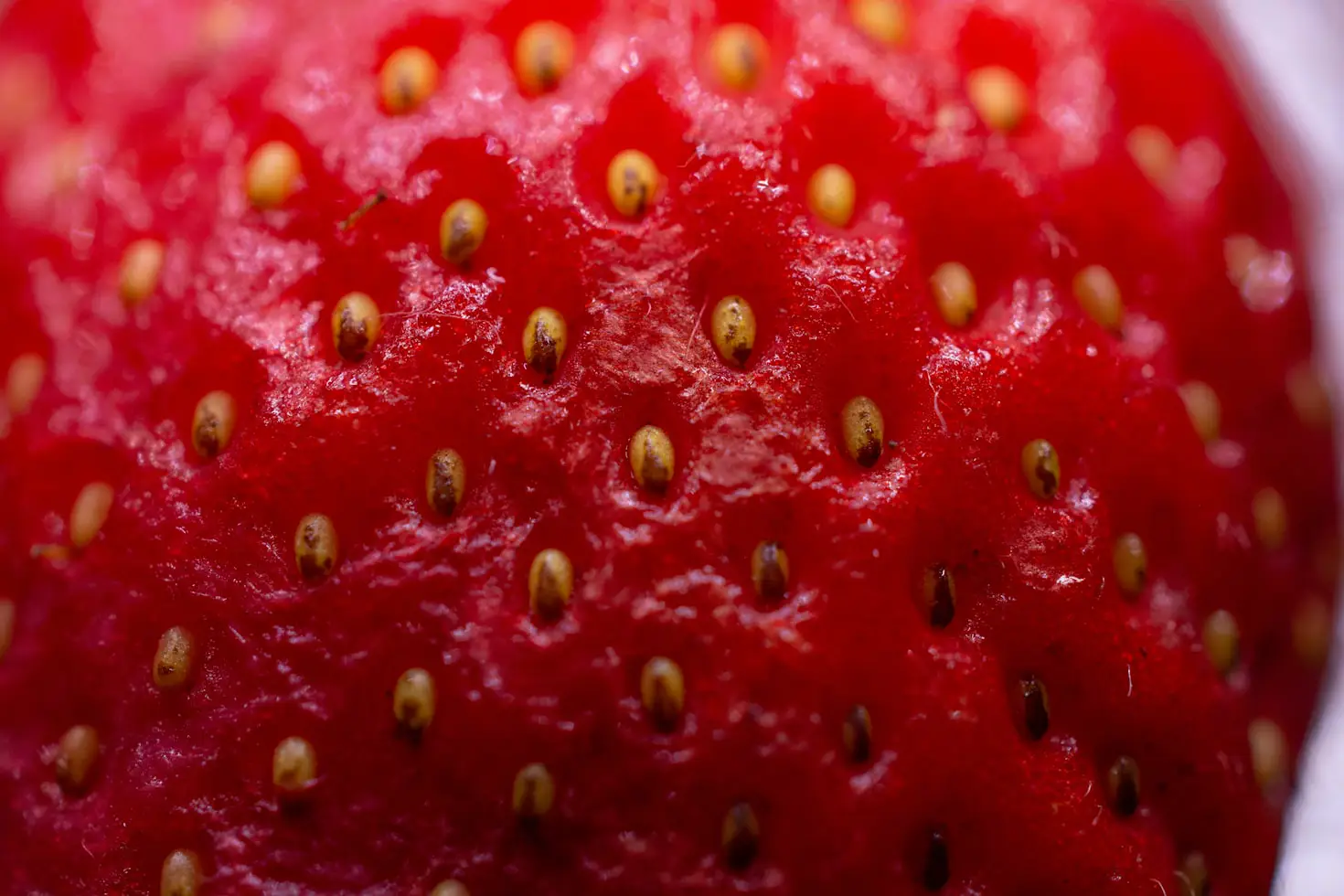

Strawberries are one of the most beloved fruits in the world—sweet, juicy, and perfect for smoothies, desserts, or eating fresh. Traditionally, strawberries are grown in soil, but in recent years a new method has gained popularity among home gardeners and commercial farms alike: hydroponic strawberries. If you’ve ever wondered “what is a hydroponic strawberry?” or whether hydroponic growing offers advantages, this in-depth guide will walk you through everything you need to know.
What Is a Hydroponic Strawberry?
A hydroponic strawberry is a strawberry plant grown without soil, using a nutrient-rich water solution instead. The roots of the plant are suspended in or intermittently fed with water that contains essential minerals required for healthy growth. Instead of gathering nutrients from soil, the strawberry absorbs them directly from the water.
Hydroponic strawberries can be grown indoors, in greenhouses, or outdoors using systems that keep the plant roots moist, oxygenated, and well-fed. Because the environment is controlled, hydroponic strawberries often grow faster, taste sweeter, and require less maintenance than traditional soil-grown berries.
Why Hydroponics Works So Well for Strawberries
Strawberries are shallow-rooted and sensitive to soil diseases, pests, and environmental fluctuations. Hydroponics provides a cleaner, more efficient growing method with several advantages:
1. Faster Growth and Higher Yields
In hydroponics, nutrients are delivered directly to the roots, so strawberries don’t waste energy searching for food. This results in faster growth, earlier fruiting, and, in many cases, larger harvests.
2. Year-Round Production
Hydroponic systems can operate indoors or in controlled greenhouses, allowing strawberries to grow during winter, rainy seasons, or in areas with poor soil.
3. Fewer Pests and Diseases
Soil-borne issues like root rot, fungus, slugs, and nematodes are significantly reduced in hydroponic setups.
4. Better Use of Space
Hydroponics is ideal for small spaces. Vertical tower systems, wall-mounted planters, and stacked systems allow growers to maximize limited areas—perfect for apartments, balconies, and urban settings.
5. Water Efficiency
Hydroponics uses up to 80–90% less water than traditional gardening because water is recirculated instead of lost to soil runoff.
6. Cleaner, Pesticide-Free Fruit
Because the environment is controlled, many hydroponic strawberry growers produce fruit without chemical pesticides—resulting in cleaner, safer berries.
These benefits make hydroponic strawberries an attractive option for both beginners and advanced growers.
How Hydroponic Strawberries Grow: The Basics
To understand what a hydroponic strawberry is, it helps to understand how hydroponics functions. Instead of soil, hydroponic strawberries are grown using:
- Water as the main growing medium
- Nutrients added to the water to feed the plant
- A support structure (such as net pots, towers, or channels) to hold the plant upright
- Light (sunlight or LED grow lights)
- Airflow and oxygenation, especially around the roots
This system creates an environment where the plant receives exactly what it needs, when it needs it.
Common Hydroponic Systems for Strawberries
There are several types of hydroponic systems suited for strawberry growing. Each has its advantages:
1. NFT (Nutrient Film Technique)
NFT channels provide a thin film of nutrient solution that continuously flows over the roots. This is one of the most popular methods for commercial strawberry production because it offers excellent oxygenation and efficient water use.
2. Ebb and Flow (Flood and Drain)
The system periodically floods the root zone with nutrient water and then drains it away. This creates a balance of moisture and oxygen.
3. Drip Irrigation Hydroponics
Each plant receives small amounts of nutrient solution through tubing. This method is ideal for bucket or pot systems.
4. Vertical Tower Hydroponics
Plants grow in stacked or upright columns. This is perfect for small spaces and allows dozens of strawberry plants to thrive in just a few square feet.
5. Deep Water Culture (DWC)
Although less common for strawberries, DWC can work if the system provides excellent oxygenation.
Each method offers unique benefits, but all make it possible to grow strawberries effectively without soil.
What Do Hydroponic Strawberries Taste Like?
One common question is whether hydroponic strawberries taste as good as soil-grown strawberries. The surprising answer is: they often taste better.
Because growers can adjust nutrients precisely, hydroponic berries tend to be:
- Sweeter
- Juicier
- More uniformly shaped
- Consistently flavorful
Hydroponic strawberries also avoid problems like soil residues or uneven watering, which can lead to bland or watery berries.
Taste depends on variety, lighting quality, and nutrient balance—not the presence of soil.
Best Strawberry Varieties for Hydroponic Growing
Not all strawberry varieties thrive equally in hydroponic systems. Some produce better flavor, higher yields, or more compact growth.
Top Hydroponic Strawberry Varieties
- Albion – sweet, large berries; excellent for indoor growing
- Seascape – high yields and disease resistance
- Monterey – rich flavor and continuous production
- Eversweet – extremely sweet and ideal for beginners
- San Andreas – large berries and sturdy plants
Look for day-neutral varieties, which produce fruit continuously throughout the year, unlike June-bearing strawberries.
How to Grow Hydroponic Strawberries: Step-by-Step
Here is a simplified process for growing your own hydroponic strawberries:
1. Start with Healthy Plants or Runners
Many growers start with:
- Strawberry runners
- Bare-root plants
- Plug plants
- Tissue culture seedlings (for commercial setups)
Avoid using soil-grown plants unless roots are washed thoroughly to prevent contamination.
2. Set Up Your Hydroponic System
Choose one based on your space and budget—NFT and vertical towers are excellent for strawberries.
3. Mix the Nutrient Solution
Strawberries require a balanced nutrient blend with slightly higher potassium (K) for fruiting.
Ideal conditions:
- pH: 5.5–6.5
- EC: 1.2–1.8
- Water temperature: 65–70°F (18–21°C)
4. Provide Adequate Lighting
If growing indoors, use full-spectrum LED lights with:
- 12–16 hours of light daily
- PPFD around 200–400 μmol/m²/s for fruiting
Too little light results in weak plants and fewer berries.
5. Maintain Proper Pollination
Indoors, strawberries don’t have access to natural pollinators, so hand pollination may be necessary. A small brush or shaking the plants gently works well.
6. Monitor Conditions
Watch for:
- Water levels
- Nutrient strength
- pH stability
- Temperature
- Root health
Strawberries grow best in cool, controlled conditions.
7. Harvest When Fully Red
Hydroponic strawberries are best picked when the berry is fully colored, firm, and aromatic.
Advantages and Disadvantages of Hydroponic Strawberries
Advantages
- Faster growth
- Higher quality fruit
- Fewer pests
- No soil mess
- Year-round production
- Efficient use of water and space
Disadvantages
- Initial setup cost (though it pays off quickly)
- Requires electricity for pumps and lights
- More sensitive to nutrient imbalances
- Root systems need consistent oxygenation
For most growers, the benefits greatly outweigh the drawbacks.
Are Hydroponic Strawberries Organic?
Hydroponic strawberries can be grown organically, but regulations vary by region. In some countries, hydroponics cannot be certified organic because the plants do not grow in soil. However, many hydroponic growers still use:
- Organic nutrient sources
- No pesticides
- Sustainable water management
So while hydroponic strawberries may not always carry an organic label, they are often cleaner and safer than conventionally grown soil-based berries.
So what is a hydroponic strawberry? It’s simply a strawberry plant grown without soil, using nutrient-rich water and a controlled environment instead. These strawberries often grow faster, taste better, and thrive year-round—even in small spaces like apartments or balconies.
Hydroponic strawberries are ideal for anyone who wants reliable harvests, minimal pests, and delicious fruit at their fingertips. Whether you’re a beginner experimenting with a small DIY setup or an experienced grower building a vertical tower, hydroponics is a highly rewarding way to enjoy fresh strawberries anytime.


