

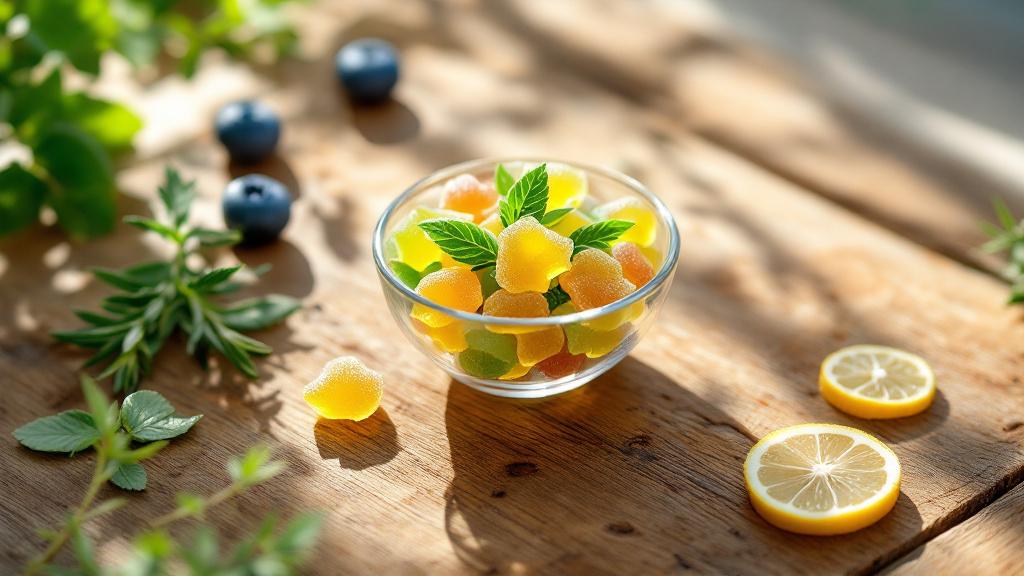
Garden gummies are edible supplements or snacks made from plant-based ingredients like herbs, fruits, and vegetables. Designed to combine flavor and wellness, these chewy treats are part of a growing trend that blends gardening and natural health.
If you’re wondering, what is a garden gummy? or what are garden gummies? the answer is simple: they’re nature-inspired gummies that deliver nutrients in a fun, flavorful format. Whether homemade or store-bought, garden gummies offer a more natural alternative to traditional gummy candies or synthetic supplements—perfect for people looking for clean, conscious options.
Where Did the Concept Originate?
The idea of garden gummies emerged from the rising popularity of plant-based nutrition and natural remedies. As more people moved away from artificial ingredients, the wellness space started exploring cleaner, earth-based alternatives. The concept builds on the idea of harvesting ingredients straight from the garden, like lavender, basil, berries, or mint, and turning them into tasty, chewable forms. Inspired by herbal medicine and holistic health, garden gummies became a way to consume wellness blends more easily. This back-to-nature approach continues to grow in popularity, thanks to its simplicity and effectiveness.
What Are Garden Gummies Made Of?
A garden gummy typically contains natural ingredients such as organic fruit juices, herbal extracts, and plant-based gelling agents like pectin. Common garden-sourced elements include elderberry, ginger, turmeric, lemon balm, spinach, and chamomile. These are often paired with natural sweeteners like agave syrup or honey for flavor. Unlike regular gummies that use artificial flavors and colors, garden gummies stay true to clean, whole-food origins. They may also be fortified with vitamins or minerals, depending on their purpose, making them functional as well as flavorful.
Are They Healthy? Nutritional Benefits Explained
Yes, incorporating a garden gummy into your daily wellness routine can be a healthy choice.. Since they are made with real fruits, herbs, and vegetables, they often contain naturally occurring vitamins, antioxidants, and phytonutrients. For instance, elderberry may support immunity, turmeric offers anti-inflammatory benefits, and ginger aids digestion. Most garden gummies also avoid high levels of refined sugar, opting for natural sweeteners instead. However, it’s important to check the ingredient list to ensure the product uses genuine plant-based content. When made right, a garden gummy is a convenient way to enjoy daily nutrients.
Garden Gummies vs Regular Gummies
While both are chewable and sweet, garden gummies stand apart from regular gummies in key ways. Regular gummies typically rely on artificial flavors, food dyes, refined sugars, and gelatin. In contrast, garden gummies use plant-based ingredients, natural flavorings, and often vegan-friendly alternatives like pectin. They’re also designed with wellness in mind, supporting immunity, sleep, or digestion rather than just acting as candy. Whether homemade or bought from a clean-label brand, garden gummies offer a more thoughtful, health-conscious experience than the average store-bought gummy.
Can You Make Garden Gummies at Home?
Absolutely! Making your own garden gummies at home is both easy and rewarding. All you need are fresh garden ingredients like berries, mint, or lemon balm, plus a base of juice and a gelling agent like pectin or agar-agar. Blend your ingredients, simmer the mixture, pour into silicone molds, and refrigerate until set. You can customize flavors, control the sweetness, and skip any additives.
Homemade garden gummies are perfect for families, herbal remedy fans, or anyone wanting to turn homegrown produce into delicious, nutrient-packed treats. Growing your own ingredients is rewarding, but keeping your garden healthy is key. If you are growing veggies for your recipes, make sure you know what is eating turnips leaves in garden to protect your harvest from common pests.
Popular Uses: From Snacks to Supplements
Garden gummies are versatile. Some are made purely for snacking, offering a fun, healthy alternative to candy. Others are designed as supplements, targeting specific wellness needs like sleep support, immunity, digestion, or stress relief. Lavender-infused gummies may help with relaxation, while ginger or turmeric ones may support gut health. There are even botanical blends with functional mushrooms or adaptogens. Whether you’re using them for their health properties or just to satisfy a sweet craving more naturally, garden gummies can fit into nearly any lifestyle.
Are There Any Side Effects or Things to Watch Out For?
While garden gummies are generally safe, it’s wise to consume them mindfully. Overuse, especially of herbal-based formulas, can lead to minor side effects like bloating, drowsiness, or mild allergic reactions, depending on the ingredients. Check for allergens like citrus, honey, or specific herbs before trying a new brand or recipe. Sugar content can vary, even in natural products, so keep an eye on labels. If you’re pregnant, nursing, or taking medication, consult a healthcare provider before using herbal-based garden gummies as a supplement.
Where Can You Buy Garden Gummies?
You can find garden gummies in health food stores, organic markets, and through wellness-focused online retailers. Many brands now focus on clean-label gummy supplements, offering options with herbal blends, fruit infusions, and adaptogenic ingredients. Always look for products with transparent labeling, minimal additives, and real plant-based content. Smaller, artisanal brands may also offer handmade garden gummies through farmers’ markets or eco-friendly shops. Whether buying for wellness or as a guilt-free treat, always prioritize quality over marketing claims.
Are Garden Gummies Just a Trend or the Future of Wellness?
Whether you call it a wellness trend or a nutritional staple, the garden gummy is definitely here to stay, but they reflect a deeper shift toward natural, plant-based living. As people become more ingredient-aware and health-conscious, demand for clean supplements continues to grow. Garden gummies offer the perfect balance of simple, tasty, and functional. They make wellness accessible and fun, especially for those who don’t enjoy pills or powders. With their roots in herbal medicine and whole-food nutrition, these gummies are more than a passing phase; they’re part of a future where food and health go hand in hand, straight from the garden.


