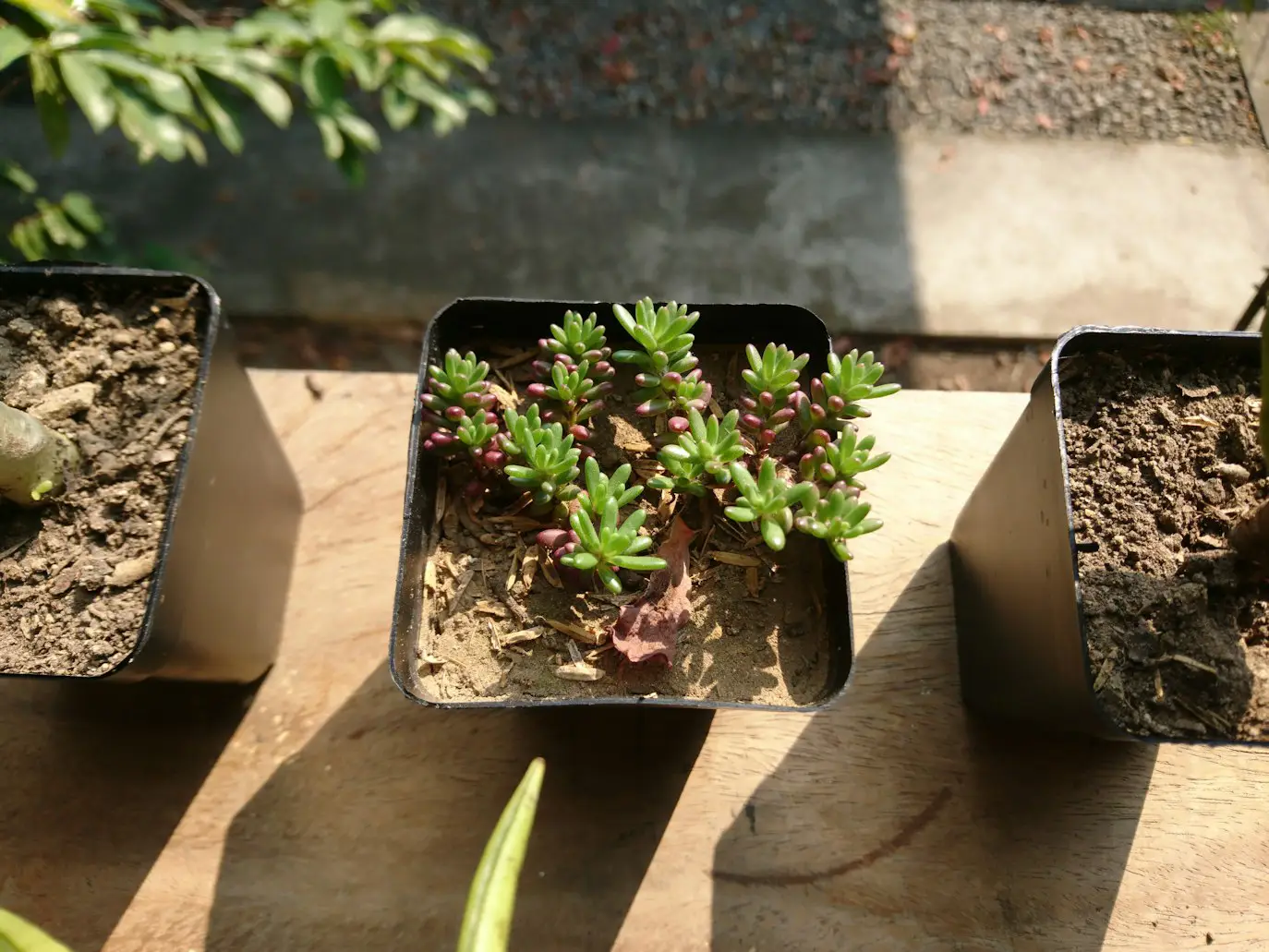

Growing herbs in containers is one of the easiest and most rewarding ways to bring fresh flavors into your kitchen. Whether you have a balcony, small patio, or indoor space with sufficient sunlight, container herb gardening allows you to enjoy fresh, aromatic herbs year-round.
But not all herbs thrive when planted together. Choosing compatible herbs is essential for healthy growth, optimal flavor, and a low-maintenance container garden. This article explores which herbs grow well together, tips for creating harmonious herb containers, and essential care strategies.
Why Plant Herbs Together in Containers
Container gardening offers several advantages:
- Space Efficiency: Perfect for small spaces or urban gardens.
- Better Soil Control: You can provide the exact soil mix herbs need.
- Ease of Maintenance: Watering, pruning, and harvesting are more convenient.
- Aesthetics: A well-planted herb container is attractive and fragrant.
- Companion Benefits: Some herbs improve each other’s growth or repel pests naturally.
When planting herbs together, consider growth habit, water needs, sunlight requirements, and root competition. Mixing compatible herbs leads to healthy plants and a productive container garden.
Key Factors to Consider for Companion Herb Planting
Before choosing your container companions, keep the following in mind:
1. Sunlight Requirements
Most culinary herbs need full sun (6–8 hours/day). However, some, like mint or parsley, tolerate partial shade. Pair herbs with similar light needs to prevent uneven growth.
2. Water Needs
Mediterranean herbs such as rosemary, thyme, oregano, and sage prefer well-draining soil and less frequent watering. Herbs like basil, parsley, and cilantro prefer consistently moist soil. Avoid pairing herbs with drastically different water needs.
3. Growth Habit and Size
Some herbs grow tall (rosemary, basil), while others spread horizontally (thyme, creeping oregano). Choose companions that complement each other without overcrowding.
4. Root Competition
Shallow-rooted herbs like chives and parsley mix well with deeper-rooted herbs like rosemary. Avoid planting aggressive rooters such as mint with delicate herbs in the same pot.
5. Flavor and Aromatic Pairing
Companion herbs can enhance each other’s flavor or repel pests. For example, basil improves tomato flavor and repels whiteflies. Think of your container as a miniature herb ecosystem.
Best Herb Combinations for Containers
1. Basil, Parsley, and Chives
This trio works well because all three are annuals with moderate water needs. Basil prefers full sun and consistent moisture, which parsley and chives also tolerate.
- Tips:
- Basil can grow tall, so place it in the center.
- Parsley can fill spaces around the base.
- Chives add vertical interest and attractive blooms.
2. Rosemary, Thyme, and Oregano
A Mediterranean-inspired container thrives with these drought-tolerant, sun-loving herbs. Their similar watering requirements and compact growth make them perfect companions.
- Tips:
- Use well-draining soil to prevent root rot.
- Add small stones or perlite to the soil mix.
- Rosemary acts as a natural pest deterrent.
3. Mint, Lemon Balm, and Catnip
These vigorous, spreading herbs are best planted together in a container to prevent invasive growth in the garden. They enjoy partial sun and consistent moisture.
- Tips:
- Use a large, deep container to accommodate spreading roots.
- Harvest regularly to control growth and encourage healthy foliage.
- These herbs are great for tea blends and culinary uses.
4. Cilantro, Dill, and Parsley
Annual herbs with similar moisture and sunlight needs pair beautifully. Cilantro and dill grow quickly and self-seed, while parsley provides a more stable presence in the container.
- Tips:
- Provide 6–8 hours of sun for optimal growth.
- Ensure adequate spacing to avoid overcrowding.
- These herbs are commonly used together in fresh salads and sauces.
5. Sage, Thyme, and Marjoram
Another Mediterranean grouping, sage, thyme, and marjoram thrive in well-draining soil with moderate watering. Their aromatic oils complement each other in cooking and help deter pests.
- Tips:
- Use a wider, shallow container to allow spreading.
- Avoid overwatering; these herbs prefer slightly dry soil.
- Regular pruning encourages compact growth.
6. Chives, Tarragon, and Basil
This combination works well for culinary containers near the kitchen. Chives grow upright, tarragon spreads slowly, and basil grows taller, creating a layered visual effect.
- Tips:
- Use rich, loamy soil and water consistently.
- Harvest frequently to promote leaf production.
- Keep an eye on basil’s growth so it doesn’t shade smaller herbs.
7. Lavender, Rosemary, and Lemon Verbena
A fragrant, ornamental container benefits from these sun-loving herbs. They thrive with low watering, making them ideal for decorative herb gardens.
- Tips:
- Ensure at least 6 hours of direct sunlight.
- Use sandy, well-draining soil.
- Occasional pruning prevents woody stems from dominating.
8. Mint and Lemon Balm
These aggressive growers are best paired together. Plant them in a dedicated container to prevent them from spreading uncontrollably in the garden.
- Tips:
- Large container recommended.
- Regularly trim to maintain shape and flavor.
- Partial shade is tolerated.
9. Basil, Oregano, and Thyme
Annuals and perennials mix well in this container, provided basil gets regular watering while oregano and thyme have slightly less water. Adjust care to suit basil’s needs.
- Tips:
- Basil grows taller; place in the center or back of the container.
- Thyme can trail over the edges, adding visual appeal.
- Regular harvesting keeps plants healthy.
General Tips for Growing Herbs Together
- Choose the Right Container
- Minimum depth: 8–12 inches for most herbs
- Wider containers allow multiple herbs without overcrowding
- Ensure drainage holes to prevent root rot
- Use High-Quality Soil
- A mix of potting soil, compost, and perlite or sand works best
- Avoid garden soil alone; it can compact and hinder growth
- Water Wisely
- Check each herb’s water requirements before planting
- Mediterranean herbs like rosemary and thyme need less water
- Herbs like basil, parsley, and cilantro need consistently moist soil
- Fertilize Occasionally
- Use slow-release organic fertilizer or diluted liquid fertilizer
- Avoid over-fertilizing; it can reduce flavor intensity
- Prune Regularly
- Prevents overcrowding and encourages bushy growth
- Promotes airflow to reduce disease risk
- Rotate Herbs if Possible
- Annual herbs like basil and cilantro can be replaced each season
- Perennials like rosemary or thyme can remain in the same container for several years
- Consider Companion Effects
- Certain herbs repel pests naturally: basil repels whiteflies, rosemary deters cabbage moths, mint repels ants
- Planting complementary herbs together can reduce the need for chemical pest control
Herbs to Avoid Planting Together
- Mint: Avoid planting with delicate herbs like basil or parsley in the same container unless isolated
- Fennel: Can inhibit growth of other herbs due to allelopathic compounds
- Cilantro and Parsley with Mint: Mint’s aggressive roots can overtake shallow-rooted companions
Seasonal Care
- Spring and Summer: Most herbs thrive with regular watering, full sun, and frequent harvesting.
- Fall: Consider moving containers indoors if winters are harsh. Reduce watering for Mediterranean herbs.
- Winter: Perennials like rosemary and thyme may survive indoors with enough light, while annuals like basil may need to be replanted.
Growing herbs together in containers is an enjoyable and practical way to create a fresh, aromatic garden, even in limited space. By pairing compatible herbs based on light, water needs, growth habit, and flavor compatibility, you can create thriving herb containers that are both beautiful and productive.
From classic kitchen combinations like basil, parsley, and chives to Mediterranean mixes of rosemary, thyme, and oregano, there are endless options to suit your taste and space. Regular pruning, proper watering, and the right soil mix will keep your herbs healthy and flavorful year-round.
With thoughtful selection and care, your container herb garden can provide a continuous harvest of fresh, aromatic leaves for cooking, teas, and even natural remedies — all from a single, manageable pot.


