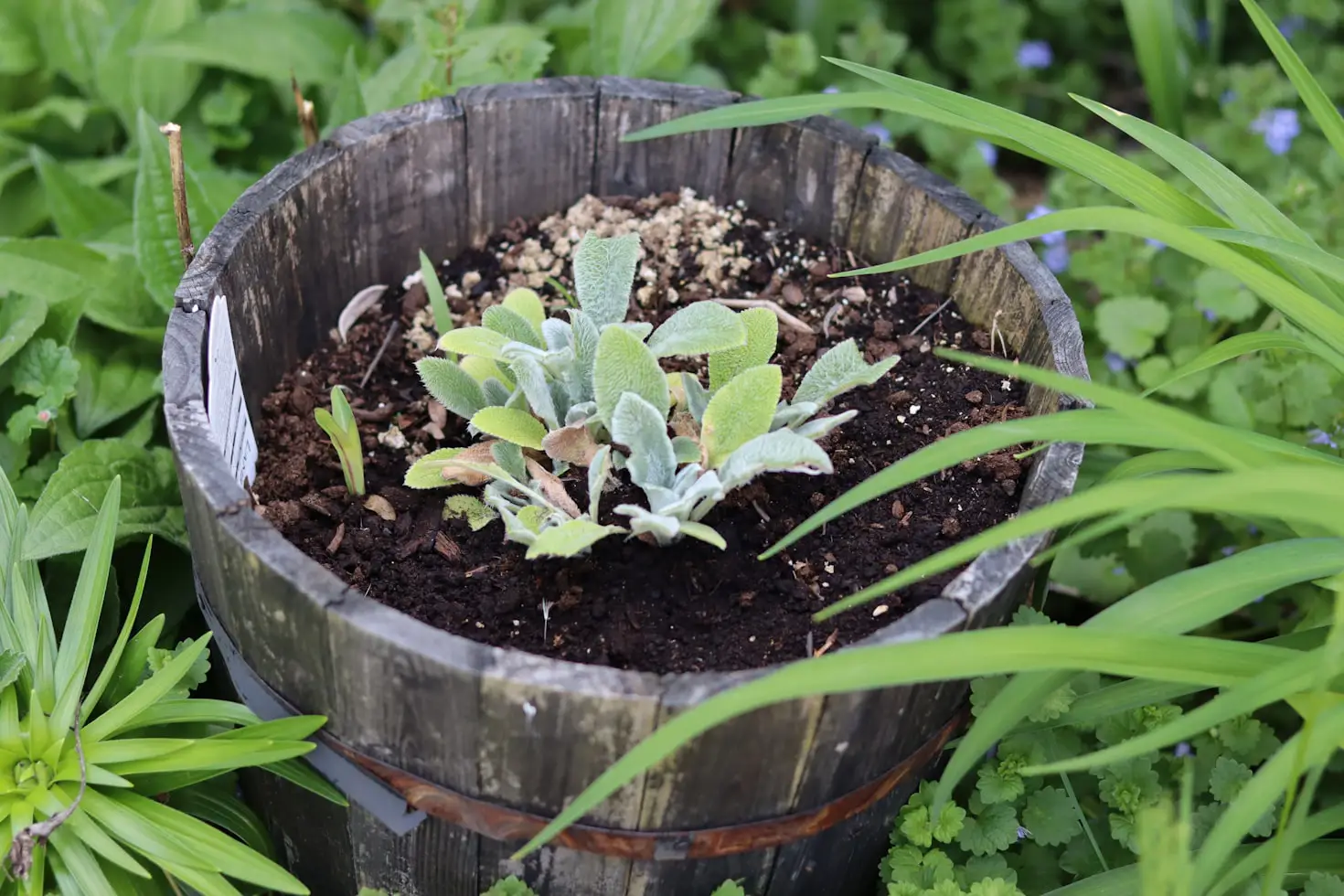

Growing herbs in containers is a popular choice for gardeners with limited space, balconies, or patios. Planting multiple herbs together in a single pot not only saves space but can also create a visually appealing, aromatic, and functional garden. However, not all herbs thrive together. Understanding which herbs are compatible and how to care for them is essential for a healthy container herb garden. This guide will explore the best herb combinations for pots, planting strategies, and tips to maximize growth and flavor.
Why Plant Herbs Together in a Pot
Container herb gardening offers several advantages:
-
Space-saving: Ideal for apartments or small gardens.
-
Convenience: Easily accessible for cooking or teas.
-
Control: Easier to manage soil, water, and nutrients.
-
Aesthetic appeal: Mixed herbs can create attractive, fragrant arrangements.
-
Companion benefits: Some herbs deter pests or improve growth when planted together.
Despite these benefits, not all herbs are compatible. Factors such as water requirements, growth habits, and sunlight needs must be considered to ensure each plant thrives.
Factors to Consider When Planting Herbs Together
Before mixing herbs in a pot, consider the following:
Light Requirements
Most herbs prefer full sun (6–8 hours daily), but some tolerate partial shade. Avoid planting sun-loving herbs with shade-tolerant ones, as one may dominate or suffer from lack of sunlight.
-
Full sun herbs: Basil, rosemary, thyme, oregano, sage, chives
-
Partial shade herbs: Mint, parsley, cilantro, chervil
Watering Needs
Grouping herbs with similar water needs prevents overwatering or underwatering.
-
Drought-tolerant herbs: Rosemary, thyme, oregano, sage
-
Moisture-loving herbs: Basil, parsley, chives, mint
Growth Habits
Some herbs are fast growers or spreading plants and can overtake others. Controlling growth is essential in shared containers.
-
Spreading herbs: Mint, lemon balm, oregano
-
Compact herbs: Basil, thyme, rosemary, chives
Soil Preferences
Most herbs prefer well-draining, nutrient-rich soil, but a few have specific requirements. Ensure the soil mix meets the needs of all the herbs in the pot.
Container Size
Choose a pot large enough to accommodate root systems. As a rule of thumb, a 12–16 inch diameter pot works well for 2–3 herbs. Larger pots are required for multiple or spreading herbs.
Best Herb Combinations for Pots
1. Basil, Parsley, and Chives
-
Why it works: All three herbs prefer full sun and regular watering. They grow well together without competing for nutrients.
-
Tips: Place basil in the center or back (taller), parsley on one side, and chives in front for easy harvesting.
2. Rosemary, Thyme, and Oregano
-
Why it works: These Mediterranean herbs are drought-tolerant and thrive in full sun. They share similar soil and watering needs.
-
Tips: Use a well-draining soil mix and avoid overwatering to prevent root rot. This combination creates a fragrant, low-maintenance pot.
3. Mint and Lemon Balm
-
Why it works: Both are fast-growing, spreading herbs with similar moisture and sunlight preferences.
-
Tips: Contain their growth by planting in separate compartments or using a large, deep pot. Both herbs can quickly dominate smaller pots.
4. Cilantro, Dill, and Parsley
-
Why it works: These herbs prefer cooler conditions and consistent moisture. They complement each other in culinary use and grow harmoniously.
-
Tips: Sow seeds for staggered harvesting to prolong yields. Dill can grow taller, so place it in the center or back.
5. Sage, Thyme, and Chives
-
Why it works: These herbs have similar water and sunlight requirements and relatively compact growth habits.
-
Tips: Plant sage in the center, thyme along the edges, and chives in front. All three add culinary versatility.
6. Basil, Oregano, and Parsley
-
Why it works: All three herbs thrive in full sun with moderate watering. This combination creates a flavorful trio ideal for Italian dishes.
-
Tips: Basil may grow taller and should be placed at the center or back of the container.
7. Lavender and Rosemary
-
Why it works: Both are drought-tolerant, sun-loving herbs with woody stems. They pair well visually and aromatically.
-
Tips: Use sandy, well-draining soil to prevent root rot. Avoid overwatering.
8. Chives, Thyme, and Marjoram
-
Why it works: These herbs are compact and share similar water and light requirements. They are ideal for small containers or windowsill gardens.
-
Tips: Regular harvesting encourages bushier growth and prevents flowering, which can reduce flavor.
Herbs That Should Not Be Planted Together
Some herbs may compete for resources or inhibit growth when planted together:
-
Mint with most herbs: Mint spreads aggressively and can overtake other herbs. Plant in a separate container or use root barriers.
-
Cilantro with rosemary or thyme: Cilantro prefers more moisture than drought-tolerant herbs.
-
Basil with sage or rosemary: Basil needs more water than woody, drought-tolerant herbs, which may suffer if overwatered.
Understanding these incompatibilities prevents overcrowding, poor growth, and wasted space.
Tips for Successful Mixed Herb Pots
1. Choose the Right Container
A pot with adequate depth and drainage holes is essential. For two or three herbs, a 12–16 inch diameter pot is sufficient. For more, use larger containers or tiered herb gardens.
2. Use Quality Soil
Well-draining, nutrient-rich soil supports healthy root growth. A mix of potting soil with compost or perlite works well. Avoid heavy garden soil, which can compact in pots and retain too much water.
3. Water Properly
Water consistently according to the needs of the herbs. Check soil moisture by inserting your finger 1–2 inches deep. Avoid waterlogging, which can cause root rot.
4. Fertilize Lightly
Herbs do not require heavy feeding. A slow-release or liquid fertilizer every 4–6 weeks encourages growth. Avoid over-fertilizing, which can reduce flavor intensity.
5. Harvest Regularly
Regular harvesting promotes bushier growth and prevents flowering, which can reduce flavor. Cut herbs just above a leaf node to encourage new shoots.
6. Prune and Maintain
Remove yellowing or damaged leaves and trim overgrown herbs to maintain balance in mixed containers.
7. Consider Sunlight Placement
Most herbs need full sun. Place pots on sunny windowsills, patios, or balconies. Rotate pots occasionally to ensure even growth.
Advantages of Mixed Herb Pots
-
Convenience: Everything is in one place for cooking or teas.
-
Pest management: Some herbs, like basil or rosemary, repel insects naturally.
-
Aesthetics: Mixed pots with varying textures, colors, and heights are visually appealing.
-
Space efficiency: Ideal for small living spaces or urban gardens.
-
Extended harvest: Mixing fast-growing and slow-growing herbs ensures a steady supply.
Planting herbs together in a pot is both practical and rewarding. By understanding the light, water, soil, and growth requirements of different herbs, you can create thriving, aromatic containers that provide fresh herbs year-round. Popular combinations like basil, parsley, and chives or rosemary, thyme, and oregano are excellent choices for culinary use, while mint and lemon balm thrive in larger containers where spreading can be controlled. Avoid incompatible pairings like mint with slower-growing herbs or basil with drought-tolerant plants to prevent overcrowding and poor growth.
With proper container selection, quality soil, regular watering, and careful pruning, a mixed herb pot can be a beautiful and functional addition to any home. Whether you have a balcony, patio, or small kitchen windowsill, planting compatible herbs together maximizes space, flavor, and convenience, making homegrown herbs a delightful part of everyday life.


