


Vert gardens are an innovative way to bring greenery into compact spaces, turning ordinary walls, balconies, or fences into flourishing living tapestries. These vert gardens allow people to grow flowers, herbs, vegetables, and ornamentals upward rather than outward, maximizing limited space. As more urban dwellers and eco‑aware homeowners look for sustainable landscaping, vert gardens have risen in popularity. They offer not only aesthetic beauty but also environmental benefits. When designed thoughtfully, these gardens can be low‑maintenance, visually stunning, and deeply rewarding for those who love working with plants.
What Are Vert Gardens and Why Are They Trending?
A vert garden (vertical garden) refers to a garden that grows plants on a vertical plane instead of the ground, using structures like trellises, pockets, shelves, or modular panels. The trend arises from increasing urban density and shrinking yard sizes, prompting people to use walls and fences for green space. Vert gardens also appeal because they contribute to sustainable living, improve air quality, and beautify dull urban surroundings. With technology improving watering systems and plant supports, these gardens are easier than ever for homeowners and renters alike to adopt and maintain. If you want a fully automated indoor solution, you might want to compare Gardyn vs Lettuce Grow to see which smart garden truly delivers freshness at home.
The Benefits of Installing Vert Gardens in Urban Spaces
Vert gardens offer multiple benefits in urban environments. They conserve horizontal space, making them ideal for small patios, balconies, and courtyards. They improve air quality by filtering pollutants and producing oxygen. Vert gardens also help regulate temperature. Greenery can cool down surfaces and reduce heat buildup on walls. Aesthetic value is another major benefit; a lush vert garden can transform bland walls into vibrant living art. For many, these gardens also serve as noise buffers, visual privacy screens, and sources of fresh herbs or small produce.
Best Plants to Grow in a Vert Garden System
Choosing the right plants is key to success with vert gardens. For outdoor vert systems, fast‑climbing vines (like clematis, jasmine), trailing plants, small vegetables, and herbs work well. Indoors, choose shade‑tolerant, humidity‑loving plants like pothos, ferns, philodendrons, and succulents. When selecting plants, consider your light exposure, water access, and climate. Plants with shallow roots or those that thrive in pockets or modular planting systems are ideal. Balancing colors, leaf textures, and growth habits creates interest and helps your vert garden look full and healthy.

How to Build Your Own DIY Vert Garden at Home
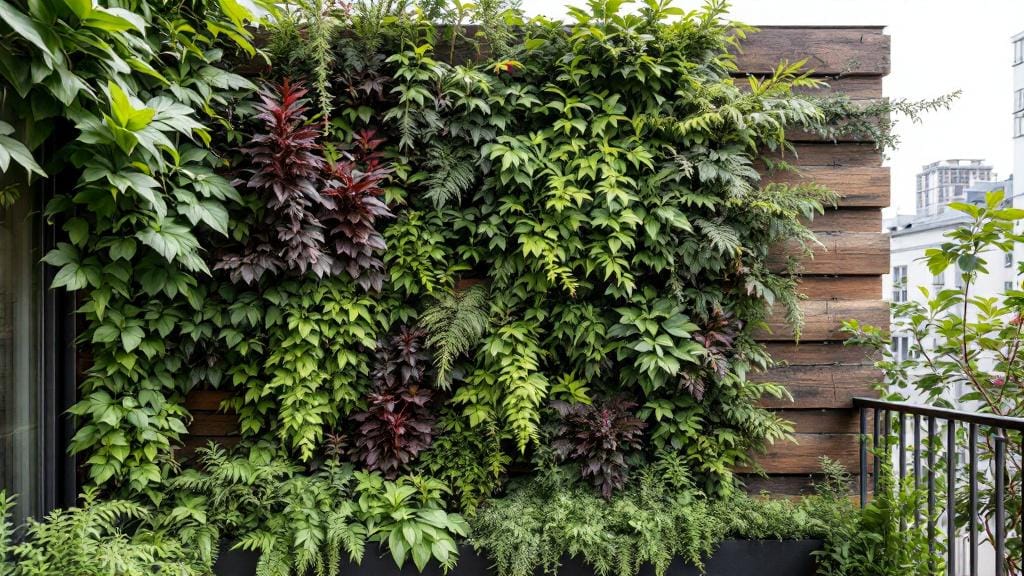
Building your own vert garden starts with choosing a structure. Options include wooden pallets, trellised panels, hanging pockets, or wall‑mounted planters. Ensure the support structure is strong and weather‑resistant if outdoors. Use a lightweight, well‑draining growing medium and build in a watering or irrigation plan. Proper anchoring is essential so that vert gardens can withstand wind and weather. Whether you’re converting a fence or using a blank wall, spacing, drainage, and sun exposure must be considered. With some planning, you can craft a functional, beautiful vert garden at home.
Indoor vs. Outdoor Vert Gardens: Which Is Right for You?
Both indoor and outdoor vert gardens have advantages and challenges. Outdoor gardens benefit from natural rain and sunlight but need sturdier materials and protection from extreme weather. Indoor vert gardens offer better control over temperature and humidity but require supplemental lighting and careful watering. Drainage indoors must be managed to avoid water damage. Meanwhile, outdoor gardens must consider wind, frost, and pests. Choosing between indoor and outdoor vert environments depends on your climate, available space, and how much maintenance you’re willing to do.
Vert Gardens for Apartments, Balconies, and Small Spaces
Vert gardens shine in apartments or on small balconies where ground space is limited. Mounted planters, hanging baskets, stacked pots, and modular pocket systems make it possible to green up vertical surfaces. Even small decks or railings can host lush vert setups. By layering different plant varieties on top of each other, you are essentially creating a garden in gardens, where every vertical inch is utilized for maximum greenery. These gardens can include herbs, small veggies, flowers, and ornamentals that add color and life. For renters, modular or temporary systems work well. Selecting compact plants and lightweight materials will ensure the vert garden does not strain structures or violate building rules.
Eco‑Friendly Advantages of Vertical Gardening
One of the core appeals of vert gardens is their sustainability. They conserve ground space and often require fewer resources like soil and water because vertical systems can be designed with efficient irrigation. Vert gardens help lower urban heat, reduce energy usage for cooling buildings, and improve air quality by filtering pollutants. They can enhance biodiversity by providing habitat for insects and birds. For environmentally conscious gardeners, vert gardens are more than decoration they’re a way to contribute to healthier ecosystems with manageable investment.
Common Mistakes to Avoid When Setting Up Vert Gardens
While vert gardens are rewarding, some pitfalls are common. Using heavy soil or poor drainage can cause waterlogging and damage walls or structures. An incorrect plant choice, e.g., selecting plants that are too large or unsuited to the microclimate, leads to failed growth. Neglecting sunlight exposure or watering schedules can starve or scorch plants. Also, overlooking structural support or proper anchoring may lead to collapse in wind or with plant weight. Avoiding these mistakes from the start ensures your vert garden will grow well and last longer.
Maintenance Tips to Keep Your Vert Garden Thriving
Regular care is essential to keep vert gardens attractive and healthy. Prune spent foliage, check for pests, and trim back overgrowing plants. Update the soil or growing medium periodically, especially in systems that dry out faster. Fertilize appropriately depending on plant needs. Ensure irrigation systems are functioning well—vertical gardens often require more frequent but lighter watering. Winter preparations may include insulation or protective coverings outdoors. Small, consistent maintenance tasks make a big difference over time.
Inspiring Vert Garden Ideas for Modern Living
Modern vert gardens come in many creative forms: living walls in living rooms, green screens on balconies, herb towers for kitchens, or lush facade installations in commercial buildings. Some designs combine art and greenery, geometric patterns, alternating plant textures, or seasonal color shifts. Others integrate technology like drip irrigation or automated misting. You can also incorporate edible plants for fresh harvests. With thoughtfully selected plants and smart design, vert gardens enhance modern living not only visually but functionally and sustainably.